If you love cooking, you probably know how amazing cast iron skillets are. But do you really know how to care for them the right way?
Without proper care, your trusty skillet can lose its non-stick surface and even rust. This guide will show you simple, effective steps to keep your cast iron skillet in perfect shape. Whether you’re a beginner or have used cast iron for years, you’ll learn how to clean, season, and store your skillet so it lasts a lifetime.
Ready to make your cooking better and your skillet stronger? Let’s dive in!
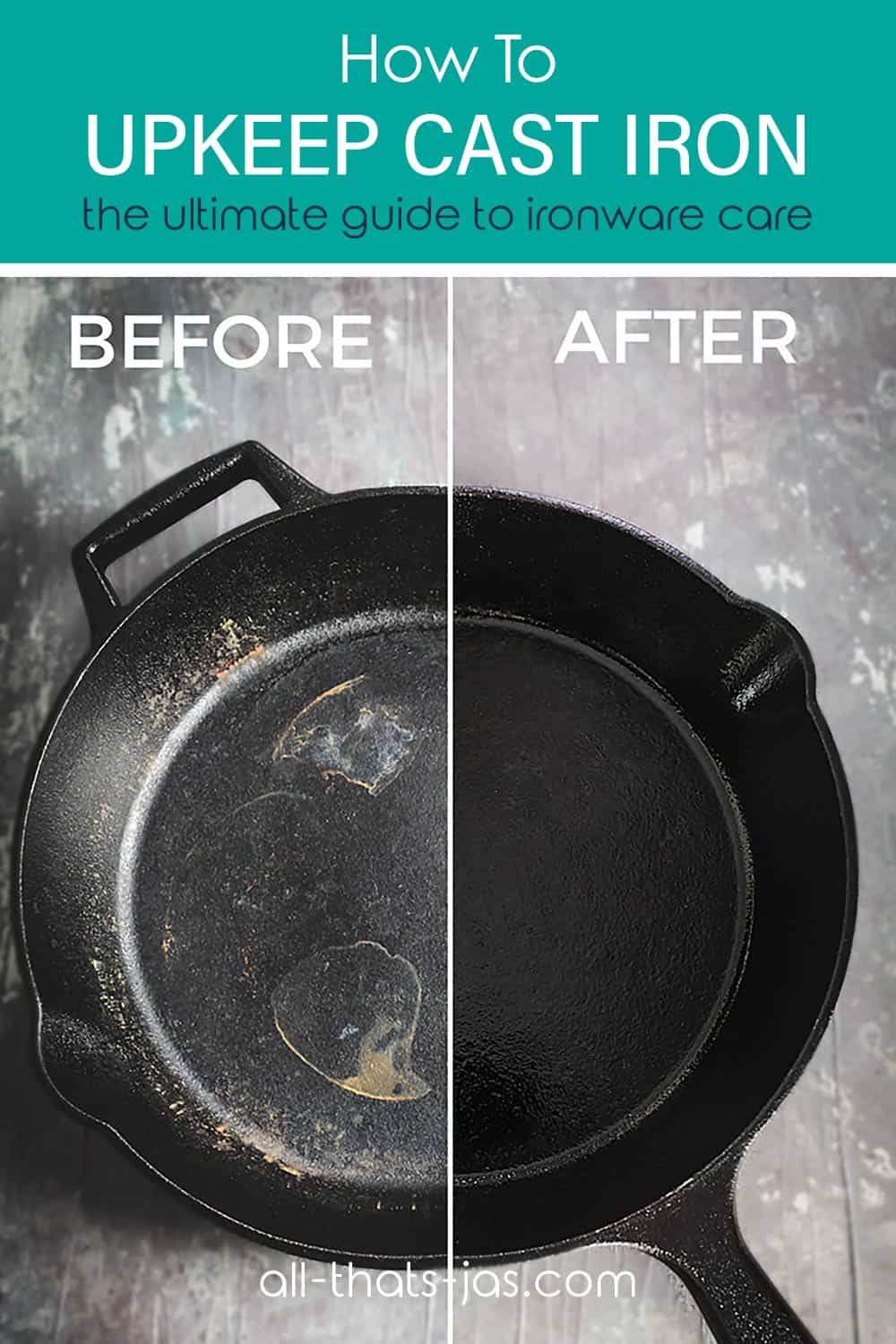
Credit: www.all-thats-jas.com
Choosing The Right Cast Iron Skillet
Choosing the right cast iron skillet is important for your cooking needs. The perfect skillet fits your kitchen, cooking style, and comfort. Knowing what to pick helps you enjoy cooking more and keeps the skillet lasting longer.
Size And Weight Considerations
Cast iron skillets come in many sizes. Smaller ones are easy to handle and good for cooking for one or two people. Larger skillets hold more food but can be heavy and hard to lift. Consider your strength and stove size before buying. A skillet around 10 to 12 inches is great for most meals.
Types Of Cast Iron Skillets
There are classic cast iron skillets and enameled ones. Classic skillets need seasoning but last long and handle high heat. Enameled skillets have a smooth coating and do not need seasoning. They are easier to clean but can be more delicate. Choose the type that fits your cooking habits and care preferences.
Seasoned Vs. Unseasoned Options
Seasoned skillets have a layer of oil baked into the surface. This layer stops food from sticking and prevents rust. Unseasoned skillets do not have this layer and need to be seasoned before use. Many beginners prefer pre-seasoned skillets for ease. Unseasoned skillets give more control but require more care.
Seasoning Your Skillet
Seasoning your cast iron skillet is the key to great cooking results. It creates a natural, non-stick surface that improves with use. Proper seasoning protects your skillet from rust and damage. This process is simple but very important for every cast iron owner.
Why Seasoning Matters
Seasoning builds a protective layer on the skillet’s surface. This layer stops food from sticking and makes cleaning easier. It also keeps the skillet safe from moisture and rust. A well-seasoned skillet lasts for many years.
Step-by-step Seasoning Process
Start by cleaning the skillet with warm water and a brush. Dry it completely with a towel or on low heat. Apply a thin layer of cooking oil over the entire surface. Use oils like flaxseed, vegetable, or canola oil.
Place the skillet upside down in an oven at 450°F (230°C). Put a foil sheet below to catch drips. Bake for one hour, then turn off the oven. Let the skillet cool inside the oven before removing it.
Tips For Maintaining The Seasoning
Clean your skillet without soap to keep the seasoning intact. Use hot water and a soft brush or sponge. Dry it fully after washing to prevent rust. Apply a light coat of oil after each use. Store the skillet in a dry place.
Avoid cooking very acidic foods often, as they can break the seasoning. Regular use and care will improve the skillet’s surface over time.
Cleaning Techniques
Cleaning cast iron skillets properly keeps them lasting for years. The right techniques protect the skillet’s seasoning and prevent damage. This section explains simple ways to clean cast iron without harming its surface. Follow these steps to keep your skillet in great shape.
Avoiding Soap And Harsh Detergents
Soap can strip the seasoning on a cast iron skillet. Harsh detergents remove the natural oils that protect the pan. Instead, rinse the skillet with hot water after cooking. Use a soft brush or sponge to remove food bits. Avoid using soap unless the skillet is very greasy or has residue that won’t come off.
Using Salt And Scrubbing Methods
Coarse salt is a gentle scrubber for cast iron skillets. Sprinkle salt on the skillet’s surface while it is still warm. Use a cloth or paper towel to scrub the salt around. This method removes stuck-on food without damaging the seasoning. After scrubbing, rinse with hot water and dry the skillet well to stop rust.
Handling Rust And Stubborn Residue
Rust happens if the skillet is not dried well or stored in moisture. To remove rust, scrub the area with steel wool or a stiff brush. Rinse the skillet and dry it completely. Re-season the pan by applying a thin layer of oil and heating it. For stubborn residue, try boiling water in the skillet to loosen food before scrubbing.
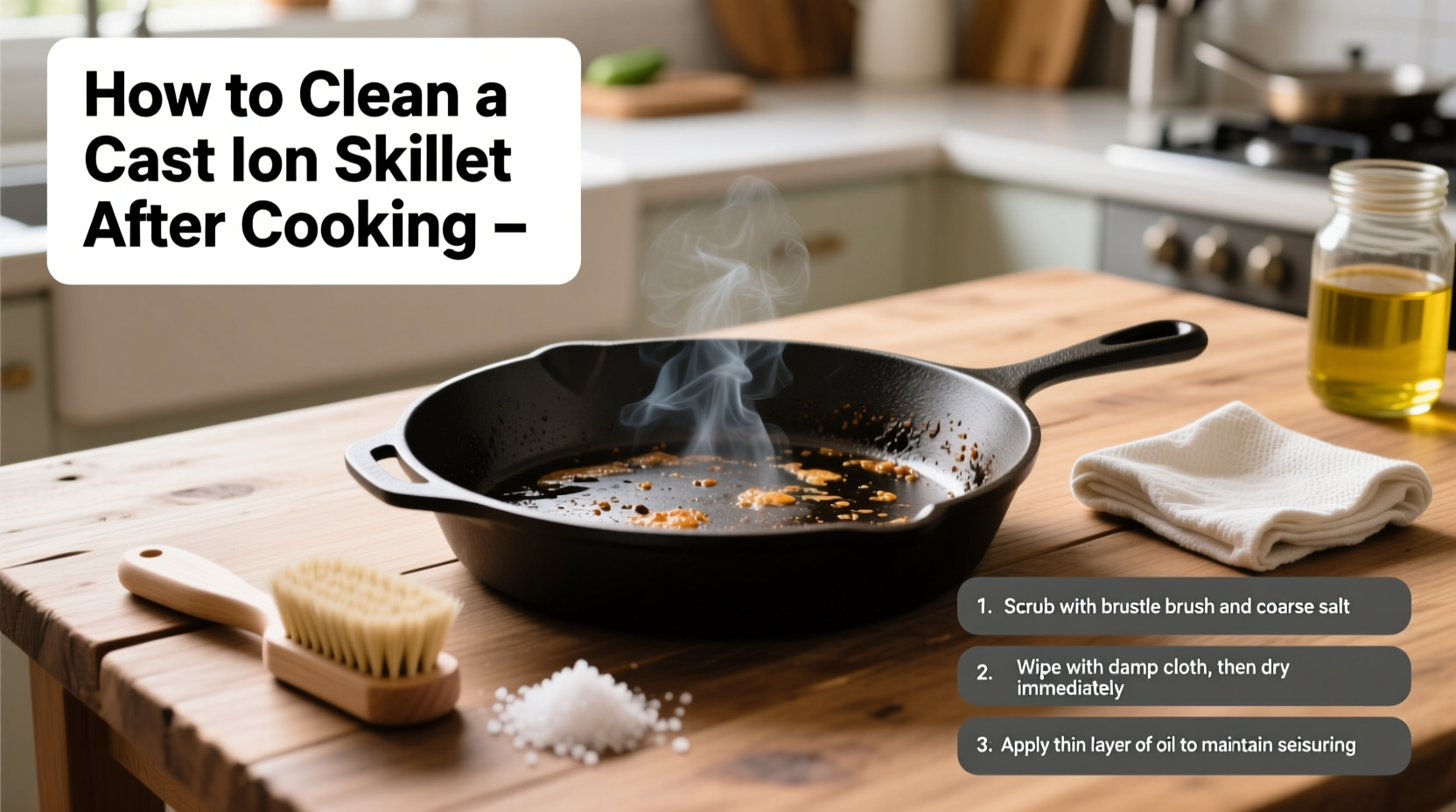
Credit: spice.alibaba.com
Daily Care Practices
Daily care keeps your cast iron skillet in top shape. It prevents rust and damage. Simple steps make the skillet last for years. Follow these easy routines after each use.
Proper Drying Methods
Dry your skillet immediately after washing. Use a clean towel to wipe off water. Heat the skillet on low flame for a few minutes. This removes any leftover moisture. Avoid air drying, which causes rust fast.
Applying Oil After Each Use
Apply a thin layer of oil when the skillet is warm. Use vegetable oil or flaxseed oil for best results. Spread oil evenly on all surfaces with a paper towel. This keeps the skillet seasoned and prevents rust. Do not use too much oil; a little goes far.
Storage Tips To Prevent Damage
Store your skillet in a dry place. Avoid stacking heavy pots on top to stop scratches. Place a paper towel inside to absorb moisture. Keep the skillet uncovered or loosely covered to let air flow. These steps help maintain the skillet’s surface and seasoning.
Cooking Tips For Cast Iron
Cooking with a cast iron skillet can bring great taste and texture to your meals. It holds heat well and cooks food evenly. Knowing how to use it right makes a big difference in your dishes.
Follow these tips to get the best results from your cast iron skillet every time.
Preheating The Skillet
Always preheat your cast iron skillet before cooking. Place it on low to medium heat for 5 to 10 minutes. This helps the skillet heat evenly. It prevents food from sticking and cooks it better. Avoid heating it too fast. Sudden heat can crack the skillet or damage the seasoning.
Cooking Different Types Of Food
Cast iron works well with many foods like meat, vegetables, and eggs. For meat, sear on high heat to get a nice crust. Use medium heat for vegetables to cook them without burning. Cook eggs on lower heat to avoid sticking. Use enough oil or butter to help food release easily. Avoid cooking very acidic foods often, as they can wear down the seasoning.
Avoiding Common Mistakes
Do not wash your skillet with soap or dishwasher. Soap can remove the seasoning layer. Avoid soaking the skillet in water to prevent rust. Never cook cold food in a hot skillet; it may cause sticking. Do not use metal utensils that can scratch the surface. Always dry the skillet well and apply a thin oil layer after cleaning.
Restoring Old Or Damaged Skillets
Old or damaged cast iron skillets can regain their charm with proper care. Restoring them brings back their cooking power and extends their life. A few simple steps can remove rust and renew the skillet’s surface. This guide shows how to bring your skillet back to life safely and effectively.
Removing Rust Effectively
Start by scrubbing the skillet with a steel wool pad. Use moderate pressure to remove rust spots. Rinse the skillet with warm water and dry it completely. For tough rust, soak the pan in white vinegar and water mix. Soak for up to one hour, then scrub again. Avoid soaking too long to protect the metal. Dry the skillet right after cleaning to stop rust from returning.
Reseasoning After Restoration
Once the rust is gone, the skillet needs reseasoning. Apply a thin layer of cooking oil inside and out. Use oils with high smoke points like vegetable or flaxseed oil. Place the skillet upside down in an oven at 450°F (230°C). Bake for one hour to build a new protective coating. Let the skillet cool in the oven before use. This process creates a smooth, non-stick surface.
When To Replace Your Skillet
Check for deep cracks or heavy pitting on your skillet. These signs mean the pan may not be safe to use. Warped skillets do not cook evenly and should be replaced. If the skillet crumbles or flakes, it is time for a new one. A well-maintained cast iron can last a lifetime, but damage can limit its use. Choose a new skillet to ensure safe and even cooking.
Health And Safety Considerations
Using cast iron skillets is popular for cooking tasty meals. Knowing health and safety tips keeps you safe and healthy. This section explains how cast iron affects your health and how to avoid accidents.
Follow these tips to enjoy cooking without worries.
Iron Intake Benefits
Cooking with cast iron adds small amounts of iron to your food. Iron is important for blood health and energy. People with low iron can benefit from using cast iron pans. It helps keep iron levels steady and supports your body’s needs. Foods cooked longer in cast iron usually absorb more iron. This is a natural way to improve your diet.
Avoiding Contamination
Keep your skillet clean to avoid harmful germs. Wash the pan with hot water after use. Avoid soap, which can remove seasoning. Use a brush or sponge to clean stuck food. Dry the skillet well to stop rust. Store it in a dry place. Do not cook acidic foods for long periods, as they can damage the pan and affect taste. Proper care stops bacteria and keeps food safe.
Handling Hot Skillets Safely
Cast iron holds heat for a long time. Always use oven mitts or thick cloths when touching the skillet. Set the pan on heat-proof surfaces to avoid damage. Keep handles away from the stove edge to prevent accidents. Let the skillet cool before washing. Hot skillets can cause burns, so handle with care. These steps protect you from injuries.
Frequently Asked Questions
How Do I Clean A Cast Iron Skillet Properly?
Use warm water and a soft brush to clean your skillet. Avoid soap and never soak it. Dry immediately to stop rust.
How Often Should I Season A Cast Iron Skillet?
Season your skillet after every few uses or when food starts sticking. Rub a thin layer of oil and heat it well.
Can I Cook Acidic Foods In Cast Iron Skillets?
Cooking acidic foods like tomatoes is fine but not for long. Too much acid can break down the seasoning over time.
How Do I Store A Cast Iron Skillet To Prevent Rust?
Store your skillet in a dry place with a light oil coat. Avoid stacking with wet pans or covering tightly. Air circulation helps.
Conclusion
Taking care of cast iron skillets is simple with the right steps. Clean them gently, dry fully, and oil lightly after use. Avoid soap and soaking to keep the seasoning strong. Regular care keeps your skillet non-stick and rust-free. With patience, it improves with every meal you cook.
Enjoy delicious food made in a well-maintained cast iron pan. Cooking becomes easier and more enjoyable this way. Keep your skillet ready for many meals to come.