Are you tired of throwing away spoiled food and wasting money? Keeping your food fresh at home doesn’t have to be a challenge.
With simple, safe habits, you can extend the life of your groceries and enjoy tasty meals longer. Imagine opening your fridge and finding everything just as fresh as when you bought it. You’ll discover easy, effective tips that protect your food and save you time and money.
Ready to make your food last? Let’s dive in!
Store Food At Correct Temperatures
Storing food at the correct temperature is key to keeping it fresh and safe. Cold temperatures slow down bacteria growth that causes spoilage. Knowing the right settings for your fridge and freezer helps your food last longer. It also protects your family from foodborne illnesses. Follow these tips to maintain proper temperatures at home.
Ideal Refrigerator Settings
Set your refrigerator temperature to 37°F (3°C) or below. This keeps most foods fresh without freezing them. Use a fridge thermometer to check the temperature often. Avoid overcrowding the fridge. Cold air needs space to circulate. Store raw meat on the bottom shelf to prevent drips on other foods.
Freezer Temperature Tips
Keep your freezer at 0°F (-18°C) or lower. This temperature stops bacteria from growing. Freeze food in small portions for faster freezing. Wrap items tightly to prevent freezer burn. Label food with dates to use older items first. Defrost your freezer regularly to maintain efficiency.
Avoiding Temperature Fluctuations
Open fridge and freezer doors only when needed. Frequent opening causes temperature changes. Place appliances away from heat sources like ovens and sunlight. Keep vents inside clear for good airflow. Use appliance thermometers to monitor changes. Stable temperatures keep food fresher for longer.
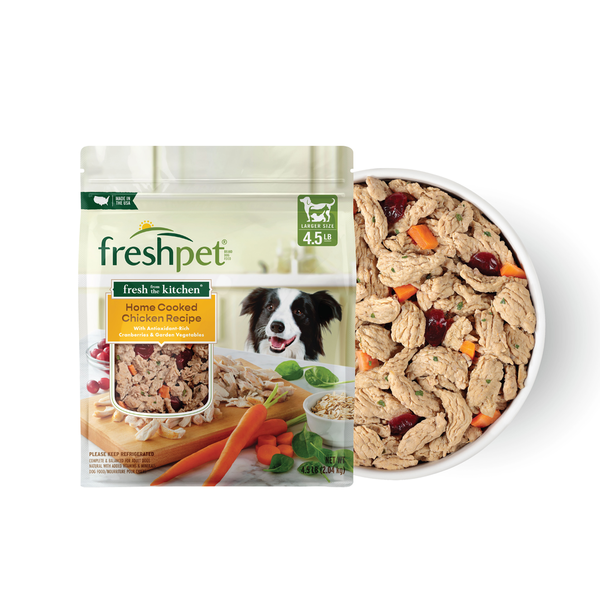
Credit: shop.topsmarkets.com
Use Proper Containers
Using proper containers is key to keeping food fresh and safe at home. The right container stops air and moisture from spoiling food. It also prevents smells from mixing and keeps pests away.
Choosing the best container helps your food last longer and stay tasty. Containers come in different materials and sizes. Picking the right one fits your food storage needs perfectly.
Choosing Airtight Containers
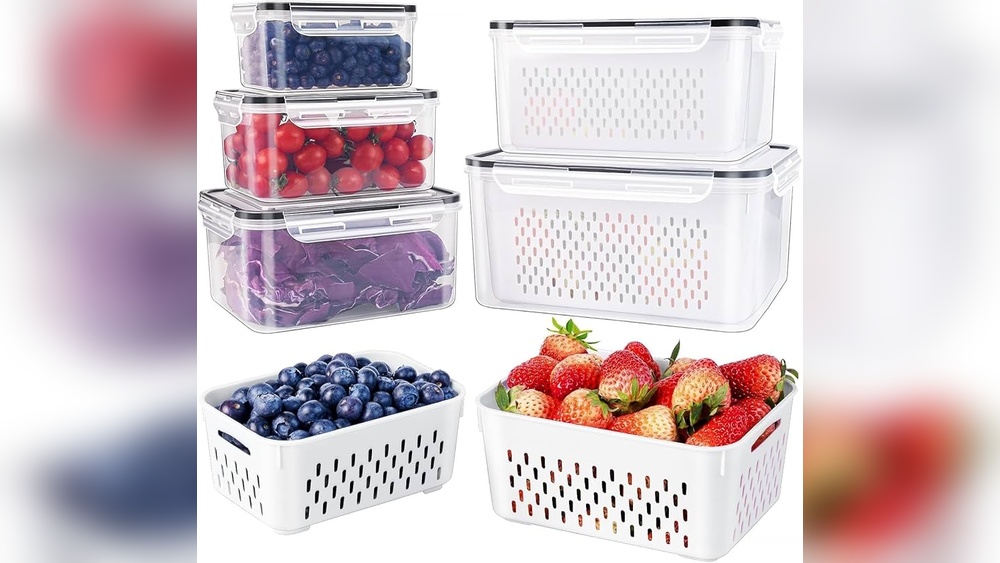
Airtight containers keep air out and lock freshness inside. Look for containers with tight seals or lids. These stop bacteria and mold from growing quickly. They also keep food moisture balanced, so items do not dry out or get soggy.
Plastic or glass containers with rubber or silicone seals work well. Snap-lock or twist-lock lids create strong seals. Always check lids for cracks or damage before use. Replace containers with broken seals to keep food safe.
Glass Vs Plastic Storage
Glass containers do not absorb stains or odors. They are easy to clean and last long. Glass is safe for microwave and oven use. It does not release harmful chemicals.
Plastic containers are lightweight and less likely to break. Some plastics can stain or keep smells inside. Choose BPA-free plastic to avoid chemicals in food. Use plastic mainly for dry or cold food storage.
Labeling And Dating Food
Label containers with the food name and date stored. Use a marker or label stickers for clear writing. This helps you track how long food stays fresh. It reduces waste by reminding you to eat food before it spoils.
Write dates in simple format like month/day or day/month. Update labels if you repackage food into new containers. Always check labels before eating leftovers to stay safe.
Practice Safe Food Handling
Practicing safe food handling is key to keeping food fresh and healthy at home. It stops germs from spreading and reduces food spoilage. Small habits can make a big difference in food safety.
Clean Hands And Surfaces
Wash your hands with soap and warm water before handling food. Clean hands stop bacteria from moving onto food. Wipe down all kitchen surfaces with a disinfectant before cooking. Clean cutting boards, knives, and counters often. Germs hide on dirty surfaces and cause food to spoil faster.
Separate Raw And Cooked Foods
Keep raw foods like meat and fish away from cooked foods. Raw food can carry harmful germs that cooked food does not have. Use different cutting boards and plates for raw and cooked items. Store raw meat at the bottom of the fridge to stop drips onto other foods.
Prevent Cross-contamination
Cross-contamination spreads germs from one food to another. Use clean utensils for each food type. Avoid placing cooked food on plates that held raw food. Wash hands after touching raw meat or eggs. These steps protect your food and keep it fresh longer.
Optimize Food Organization
Organizing food well helps keep it fresh longer and reduces waste. A tidy kitchen makes it easy to find what you need fast. Smart organization also prevents spoilage and saves money. Simple steps can improve your food storage at home.
First In, First Out Method
Place new groceries behind older items in your fridge and pantry. Use older food first to avoid spoilage. This method helps you keep track of expiration dates. You eat food before it goes bad. No more forgotten leftovers or expired goods.
Use Clear Storage Zones
Create specific areas for different food types in your fridge and pantry. Keep dairy, meat, and drinks in separate zones. Store dry goods like rice and pasta together. Clear zones make it easier to find items quickly. It also prevents cross-contamination and keeps food safe.
Keep Fruits And Vegetables Separate
Store fruits and vegetables in different drawers or bins. Fruits release gases that can make vegetables spoil faster. Separating them slows down ripening and decay. Use ventilated containers to keep air flowing. This keeps produce fresh and crisp longer.
Utilize Natural Preservation Methods
Keeping food fresh at home is easier with natural preservation methods. These methods help keep food safe and tasty without chemicals. They slow down spoilage and keep food nutrients intact. Natural ways often cost less and are simple to use.
Freezing And Blanching Techniques
Freezing stops bacteria growth by lowering food temperature. It keeps fruits, vegetables, and meats fresh for months. Blanching vegetables before freezing helps keep color and taste. Boil veggies briefly, then cool in ice water. This process stops enzymes that cause spoilage.
Vacuum Sealing Benefits
Vacuum sealing removes air from food packages. Less air means less chance for bacteria and mold. It extends shelf life without using preservatives. Vacuum-sealed food stays fresh longer in the fridge or freezer. It also saves space and reduces food waste.
Using Lemon And Vinegar
Lemon juice and vinegar are natural acids. They help stop bacteria growth on fruits and vegetables. Sprinkling lemon juice on cut fruits prevents browning. Vinegar washes remove dirt and slow spoilage. Both add a fresh taste and keep food safe.

Credit: www.amazon.com
Monitor Food Freshness Regularly
Monitoring food freshness regularly helps keep your food safe and tasty. It stops you from eating spoiled food and reduces waste. Checking your food often means you can spot problems early.
Check For Spoilage Signs
Look for changes in color, texture, or smell. Mold, sliminess, or bad odors mean food is spoiled. Throw away any food that looks or smells off. Avoid tasting food to check freshness. It can be dangerous.
Rotate Stored Items
Use older food first to keep it fresh. Place new items at the back of the fridge or pantry. This method is called “first in, first out.” It helps prevent food from going bad.
Plan Meals Around Expiry
Check expiration dates before cooking. Use food that will expire soon in your meals. Plan your shopping to buy only what you need. This reduces food waste and saves money.
Frequently Asked Questions
How Long Can Food Stay Fresh In The Fridge?
Most foods stay fresh in the fridge for 3 to 7 days. Keep raw meats separate and use airtight containers. Check for spoilage signs before eating.
What Is The Best Way To Store Fruits And Vegetables?
Store fruits and vegetables in separate crisper drawers to control humidity. Use perforated bags to keep air flowing. Keep some fruits like bananas at room temperature.
How Can I Prevent Food Contamination At Home?
Always wash hands before handling food. Use clean utensils and surfaces. Store raw and cooked foods separately to avoid cross-contamination.
Should I Freeze Leftovers To Keep Them Fresh Longer?
Freezing leftovers slows down bacteria growth and keeps food fresh for weeks. Cool food quickly before freezing. Label containers with dates to track freshness.
Conclusion
Keeping food fresh at home helps save money and reduce waste. Store items in cool, dry places to keep them longer. Use airtight containers to protect food from air and moisture. Check expiration dates and organize your fridge regularly. Clean storage areas to stop bacteria and mold growth.
Simple habits make your food last and stay safe. Try these tips daily for fresher meals. Your kitchen will stay cleaner and your food tastier. Healthy habits start with smart food storage choices.