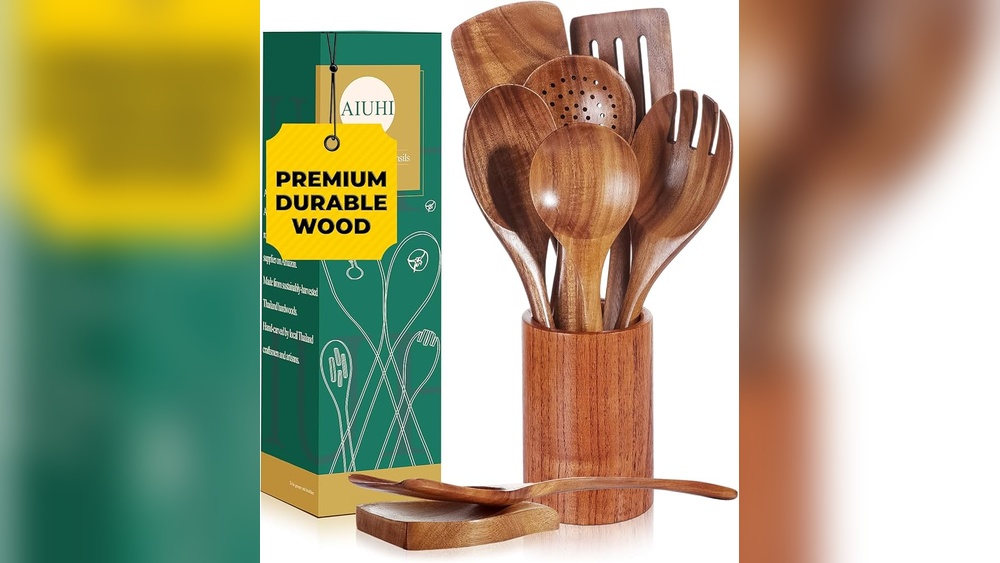
Your wooden kitchen tools are more than just utensils—they are trusted helpers that bring warmth and charm to your cooking space. But if you want them to last for years, you need to care for them the right way.
Imagine your favorite wooden spoon or cutting board staying smooth, strong, and beautiful every time you use it. You’ll discover simple, practical steps to keep your wooden kitchen tools in top shape. Ready to protect your investment and enjoy cooking with tools that feel brand new?
Let’s dive in and learn how to make your wooden kitchen tools last longer than ever.
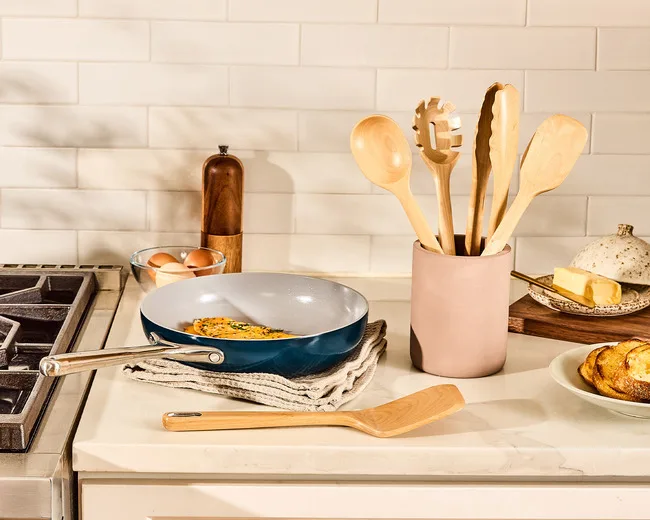
Credit: www.carawayhome.com
Choosing Quality Wooden Tools
Choosing quality wooden kitchen tools is key for long-lasting use. Good tools work better and last longer. This saves money and reduces waste. Knowing what to pick helps keep your kitchen safe and clean. It also makes cooking more enjoyable.
Types Of Wood For Kitchen Tools
Hardwoods are best for kitchen tools. Maple, beech, and walnut are popular choices. These woods resist water and scratches well. Softwoods like pine wear out fast. Bamboo is also a good option. It is strong and eco-friendly. Choosing the right wood means tools last longer and stay safe for food.
Signs Of Durable Craftsmanship
Look for smooth finishes without cracks. Well-made tools have tight joints and no loose parts. The wood should feel solid and heavy enough. Avoid tools with rough or splintered edges. Good craftsmanship means the tool will not break easily. It also feels comfortable in your hand. Quality tools make cooking easier and safer.
Cleaning Wooden Kitchen Tools
Cleaning wooden kitchen tools is key to keeping them safe and lasting longer. Proper cleaning stops bacteria and dirt build-up. It also protects the wood from damage. Wood can absorb water and stains easily. Careful washing keeps tools strong and fresh.
Safe Washing Methods
Use warm water and mild soap to wash wooden tools. Avoid soaking them in water for a long time. Rinse quickly and dry immediately with a clean towel. Do not put wooden tools in the dishwasher. The heat and water can cause cracks and warping.
Avoiding Water Damage
Water can make wood swell and crack. After washing, dry tools well with a towel. Let them air dry fully before storing. Store wooden tools in a dry place. Avoid leaving them in damp or wet areas. This stops mold and wood decay.
Using Natural Cleaning Agents
Natural cleaners are gentle and safe for wood. Use white vinegar mixed with water to disinfect. Lemon juice can remove stains and smells. Baking soda helps clean stubborn dirt. These natural agents protect the wood and keep it healthy.
Drying And Storing Properly
Proper drying and storing are key for wooden kitchen tools. Moisture left on wood can cause cracks or mold. Storing tools in the right place keeps them safe and lasts longer. Follow simple steps to keep your wooden tools in great shape.
Effective Drying Techniques
After washing, wipe wooden tools with a clean towel. Air dry them standing upright or lying flat. Avoid leaving them in damp places. Do not use a dishwasher or hot air to dry. Let them dry naturally to keep wood strong and smooth.
Ideal Storage Conditions
Store wooden tools in a dry, cool area away from direct sunlight. Keep tools separated to avoid scratches and dents. Use a utensil holder or drawer with good air flow. Avoid storing in sealed containers or plastic bags. Proper storage prevents warping and keeps tools fresh.

Credit: www.walmart.com
Conditioning And Oiling
Conditioning and oiling wooden kitchen tools keep them strong and smooth. Wood can dry out and crack without care. Applying oil helps protect the wood from water and stains. It also keeps the surface from becoming rough. This simple step extends the life of your tools.
Choosing The Right Oil
Pick oils that are safe for food contact. Mineral oil is a popular choice. It does not go rancid and is easy to apply. Other good options include walnut oil and beeswax blends. Avoid vegetable oils like olive or sunflower oil. They can turn sticky and smell bad over time. Use only pure, food-grade oils for best results.
How Often To Oil Wooden Tools
Oiling depends on how often you use the tools. A good rule is to oil once a month. If tools look dry or feel rough, oil them sooner. After washing, dry tools well before applying oil. Rub the oil in with a clean cloth. Let it soak for several hours or overnight. Wipe off any extra oil before using the tools again.
Preventing Cracks And Splits
Wooden kitchen tools add charm to any kitchen. Keeping them strong and smooth is key. Cracks and splits damage the wood and shorten tool life. Avoiding these problems needs care. This section explains simple steps to protect your wooden tools from cracks and splits.
Temperature And Humidity Control
Wood reacts to heat and moisture. Too much heat dries the wood fast. This causes cracks. High moisture makes wood swell and split later. Store wooden tools in cool, dry places. Avoid leaving them near stoves or sinks.
Use a room with stable humidity. Extreme changes cause the wood to expand and shrink. This leads to splits. A kitchen with moderate humidity keeps tools healthy.
Repairing Minor Damages
Small cracks appear before big splits. Fix these early to save your tools. Use fine sandpaper to smooth rough edges gently. This stops cracks from growing.
Apply food-safe mineral oil after sanding. It seals and nourishes the wood. Repeat this treatment regularly for best results. For deeper cracks, use wood filler safe for kitchen use. Let it dry fully before sanding again.
Avoiding Harmful Practices
Wooden kitchen tools need special care to last long. Avoiding harmful practices keeps them strong and safe. Small mistakes can cause cracks, warping, or bacteria growth. Learn what to avoid for the best care.
What Not To Do With Wooden Tools
Do not soak wooden tools in water for hours. Water causes wood to swell and crack over time. Avoid cutting on wooden handles or surfaces. It can damage the tool’s shape and finish. Never use harsh chemicals or bleach on wood. These harm the wood fibers and finish. Avoid leaving wooden tools in direct sunlight. Sunlight dries out the wood, making it brittle and weak.
Impact Of Dishwashers And Soaking
Dishwashers are too hot and wet for wooden tools. Heat and water cause wood to split and warp. Soaking wooden tools weakens the wood and can cause mold. Dry wooden tools quickly after washing by hand. Proper care extends their life and keeps them safe to use.
Extending Life With Regular Care
Wooden kitchen tools can last for many years with the right care. Regular maintenance keeps them strong and safe to use. Small habits can protect the wood from cracking and warping. A little attention goes a long way in extending their life.
Routine Maintenance Tips
Clean wooden tools by hand using warm water and mild soap. Avoid soaking them in water to stop swelling. Dry immediately with a soft cloth to remove all moisture. Apply mineral oil or beeswax every few weeks. This seals the wood and prevents it from drying out. Store tools in a dry place away from direct sunlight. Sand rough spots lightly with fine sandpaper to keep surfaces smooth. These steps keep wooden tools in good condition over time.
Signs It’s Time To Replace
Check for deep cracks or splits that collect bacteria. Warped or swollen tools lose their shape and function. If the wood feels rough even after sanding, replacement is wise. Persistent odors or stains that don’t wash away may signal damage. Loose handles or broken parts make tools unsafe. Using worn tools can affect food quality and safety. Notice these signs early to keep your kitchen safe and efficient.

Credit: www.tuuli-shop.com
Frequently Asked Questions
How Often Should I Oil Wooden Kitchen Tools?
Wooden kitchen tools need oiling every few weeks to stay smooth. Use food-safe mineral oil or beeswax to prevent cracking and drying.
Can Wooden Tools Go In The Dishwasher?
No, dishwashers can damage wooden tools by making them crack or warp. Wash them by hand with mild soap and dry immediately.
How Do I Remove Stains From Wooden Kitchen Tools?
Use a mix of baking soda and water to scrub stains gently. Rinse well and dry quickly to avoid moisture damage.
Is It Safe To Soak Wooden Kitchen Tools In Water?
Avoid soaking wooden tools in water for a long time. Prolonged soaking causes wood to swell and crack, reducing tool life.
Conclusion
Wooden kitchen tools last longer with simple care steps. Clean them with warm water and mild soap. Avoid soaking to prevent cracks and warping. Dry tools immediately to keep wood strong. Oil regularly to stop drying and splitting. Store in a dry place away from heat.
These easy habits keep your tools safe and useful. Enjoy cooking with tools that look and work great. Small efforts make a big difference over time. Take care today for tools that serve tomorrow.