You rely on your reusable kitchen containers every day to keep your food fresh and your kitchen organized. But are you sure they’re truly clean?
Even a tiny leftover stain or smell can turn your meals unpleasant and even cause bacteria to grow. Keeping your containers spotless isn’t just about hygiene—it’s about protecting your health and making your cooking experience easier and more enjoyable. You’ll discover simple, effective ways to keep your reusable containers fresh and spotless, so you can feel confident every time you open them.
Ready to make your kitchen cleaner and safer? Let’s dive in.
Choosing The Right Containers
Choosing the right reusable kitchen containers makes cleaning easier and keeps your food fresh. Containers come in many types, materials, and sizes. Picking the best ones helps avoid stains and bad smells. It also saves time during washing. Focus on containers that stay clean longer and fit your daily needs.
Materials That Resist Stains And Odors
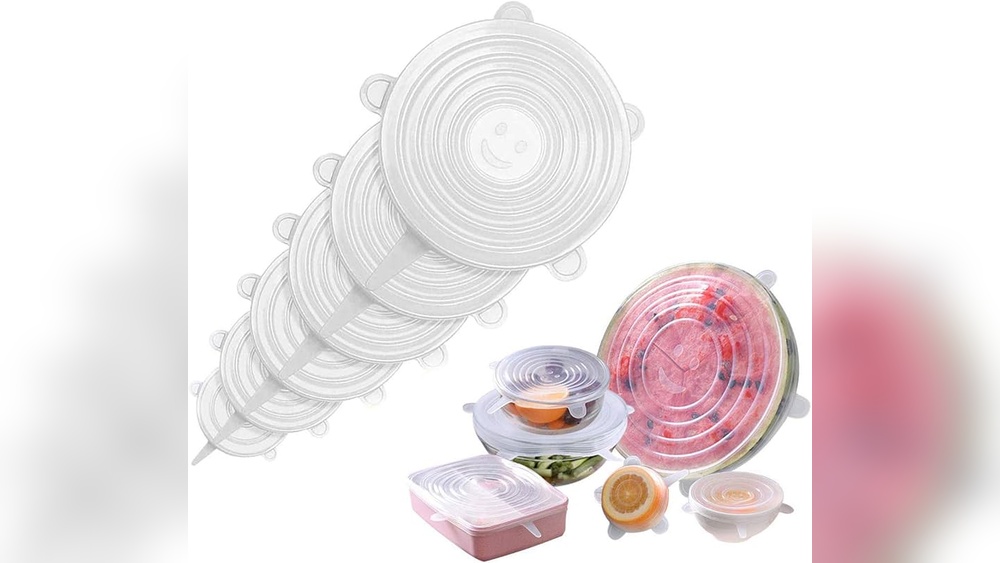
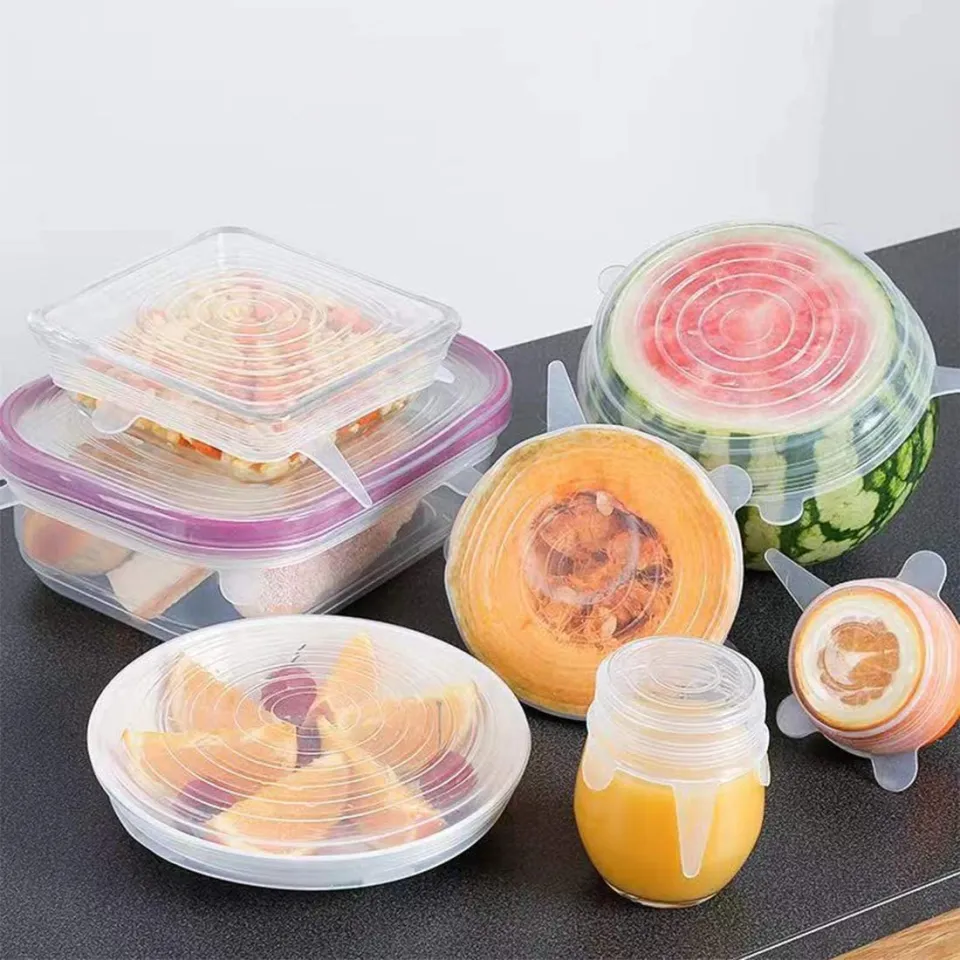
Choose containers made from glass or high-quality stainless steel. These materials do not absorb food smells. They resist stains from sauces and spices. Plastic containers often hold odors and stains. Look for BPA-free plastics if you prefer plastic. Silicone lids can help seal containers without trapping smells. Avoid cheap plastics that wear out fast and keep odors.
Sizes And Shapes For Easy Cleaning
Pick containers with wide openings. Wide mouths make scrubbing easier and faster. Avoid containers with many corners or narrow necks. Hard-to-reach spots trap food and bacteria. Stackable containers save space but check if they clean well. Round or square shapes work best for cleaning tools. Choose sizes that match your food portions to prevent waste.
Daily Cleaning Habits
Keeping reusable kitchen containers clean every day stops bad smells and stains. It also keeps food fresh and safe to eat. Simple daily cleaning habits make your containers last longer. These habits save time and effort too.
Rinsing Immediately After Use
Rinse containers right after using them. This stops food from drying and sticking. Use warm water to wash off leftover bits. Quick rinsing helps avoid stains and smells later. It also makes full cleaning easier.
Hand Washing Vs. Dishwasher
Decide if you want to wash by hand or use the dishwasher. Hand washing lets you clean corners and lids carefully. Use mild soap and a soft sponge to avoid scratches. Rinse well to remove all soap.
Dishwashers save time and clean well with hot water. Make sure containers are dishwasher safe. Place them on the top rack for best results. Check the container’s label before putting it in the dishwasher.
Removing Stubborn Stains And Odors
Stubborn stains and strong odors can make reusable kitchen containers less pleasant to use. Removing these stains and smells keeps containers fresh and safe. Simple home ingredients can clean containers deeply without harsh chemicals. These natural methods save money and reduce waste.
Using Baking Soda And Vinegar
Baking soda and vinegar work well to remove tough stains and odors. First, sprinkle baking soda inside the container. Next, add some white vinegar. The mixture will bubble and fizz. Let it sit for 10 to 15 minutes. Then scrub the container with a sponge. Rinse thoroughly with warm water. Repeat if stains or smells remain.
Lemon And Salt Scrubs
Lemon and salt create a natural scrub for stubborn marks. Cut a lemon in half. Dip the lemon into salt. Rub the salted lemon over the stained areas. The acidity of lemon breaks down stains. Salt acts as a gentle abrasive. After scrubbing, rinse the container well. Let it dry in sunlight to remove odors completely.
Credit: www.walmart.com
Deep Cleaning Techniques
Keeping reusable kitchen containers clean is important for health and food safety. Deep cleaning removes tough stains and bacteria that regular washing might miss. These techniques help keep containers fresh, odor-free, and safe to use.
Soaking Methods
Soaking containers softens food residue and stains. Use warm water and a mild detergent. Let containers soak for 15 to 30 minutes. For strong odors, add a tablespoon of baking soda or white vinegar. After soaking, scrub gently with a sponge. Rinse thoroughly with clean water to remove all soap.
Boiling And Sterilizing
Boiling kills bacteria and germs effectively. Place containers in boiling water for 5 to 10 minutes. Use a large pot to fully submerge containers. This method works well for plastic and glass containers without lids. For sterilizing lids, wipe with alcohol or use steam. Always check container labels to avoid damage from heat.
Drying And Storing Containers
Keeping reusable kitchen containers dry and stored properly helps them last longer. Wet containers can cause bad smells and mold growth. Drying and storing containers right keeps your kitchen clean and safe.
Air Drying Tips
After washing, place containers upside down on a drying rack. This helps water drip out completely. Avoid stacking containers while wet. Use a clean towel to dry container lids quickly. Let containers dry in a place with good air flow. Sunlight also helps kill bacteria on containers.
Avoiding Moisture And Mold
Store containers only when fully dry. Moisture trapped inside causes mold and bad smells. Keep containers in a cool, dry cupboard. Avoid airtight spaces if containers are still damp. Check containers regularly for any signs of mold. Clean and dry containers immediately if mold appears.
Credit: cairocommunity.com
Maintaining Container Lids
Maintaining container lids is key to keeping reusable kitchen containers clean. Lids often trap food particles and moisture. This can cause odors and bacteria growth. Regular care helps lids stay fresh and safe.
Check lids for cracks or damage. Replace if needed to keep containers airtight. Clean lids thoroughly after each use to avoid buildup.
Cleaning Seals And Gaskets
Seals and gaskets hold lids tightly on containers. They can collect crumbs and liquids in small crevices. Remove gaskets if possible for better cleaning.
Wash seals with warm, soapy water. Use a soft brush to reach hidden spots. Rinse well and dry completely before putting them back. This stops mold and bad smells.
Preventing Mold Build-up
Mold grows in moist, dark places like container lids. Dry lids fully before closing containers. Leave lids off for a while if you store them empty.
Store lids in a dry area with good air flow. Clean lids regularly with vinegar or baking soda solutions. These natural cleaners help prevent mold without harsh chemicals.
Extending Container Lifespan
Keeping reusable kitchen containers clean helps them last longer. Proper care stops cracks, stains, and bad smells. Extending their lifespan saves money and reduces waste. Follow simple tips to keep containers safe and strong for many uses.
Avoiding Harsh Chemicals
Harsh chemicals can damage container surfaces. Avoid bleach and strong detergents. Use mild soap and warm water instead. This keeps containers safe for food and prevents wear. Gentle cleaning protects plastic and glass materials alike.
Regular Inspection For Damage
Check containers often for cracks or warping. Damaged containers can leak or hold bacteria. Replace containers with any signs of damage. Regular inspection ensures food stays fresh and safe. Small problems caught early prevent bigger issues later.

Credit: www.amazon.com
Frequently Asked Questions
How Often Should I Clean Reusable Kitchen Containers?
Clean containers after every use to avoid bacteria buildup. Regular washing keeps food fresh and safe.
What Is The Best Way To Remove Stains From Containers?
Use baking soda and water paste for tough stains. Let it sit, then scrub gently to remove marks.
Can Dishwasher Safely Clean All Types Of Containers?
Most plastic and glass containers are dishwasher safe. Check the label to ensure container can handle heat.
How Do I Prevent Odors In Reusable Containers?
Dry containers completely before storing to avoid smells. Keep lids off for air circulation when not in use.
Is It Safe To Use Bleach For Cleaning Containers?
Diluted bleach can sanitize containers but use carefully. Rinse well to remove any bleach residue before use.
Conclusion
Keeping reusable kitchen containers clean takes simple steps every day. Wash containers with warm, soapy water right after use. Avoid strong smells by drying them fully before storing. Regular cleaning stops germs and keeps food fresh. Store containers in a dry place to prevent mold.
Clean containers last longer and save money. Small habits make a big difference for kitchen hygiene. Try these tips to keep your containers safe and ready. Clean containers help keep your family healthy and meals tasty.