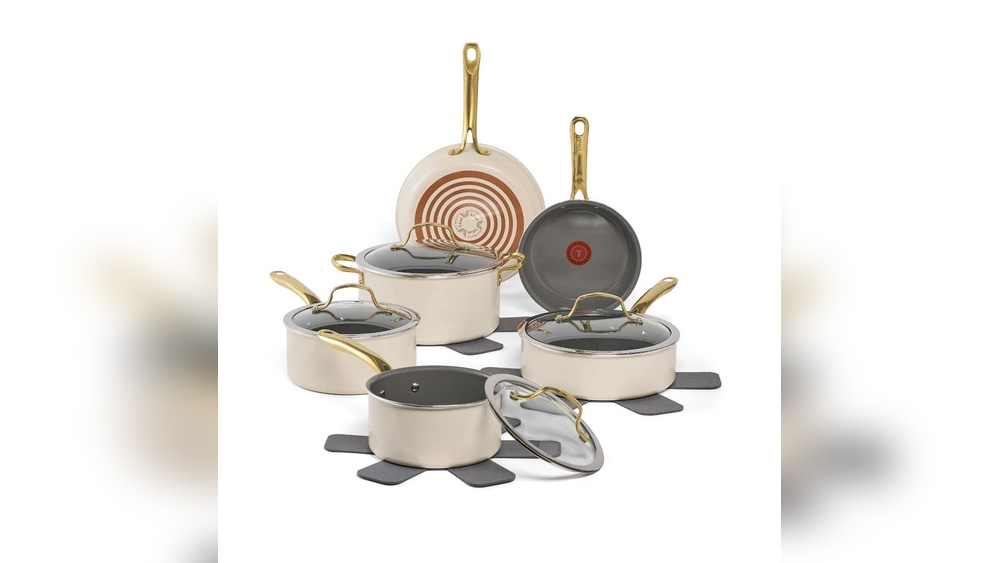
You’ve invested in nonstick bakeware because it makes cooking and cleaning easier. But have you noticed your favorite pans losing their smooth surface or food starting to stick?
If you want your bakeware to stay like new and keep delivering perfect results every time, you need to care for it the right way. You’ll discover simple, effective tips to maintain your nonstick bakeware so you can enjoy hassle-free baking without worrying about damage or wear.
Keep reading to unlock the secrets that will save you money and frustration!
Cleaning Nonstick Bakeware
Cleaning nonstick bakeware is key to keeping it in good shape. Proper care helps maintain its smooth surface and stops food from sticking. Simple cleaning steps can extend the life of your bakeware.
Use gentle methods to protect the nonstick coating. Avoid scrubbing too hard or using the wrong tools. Clean bakeware looks better and cooks food evenly.
Hand Washing Techniques
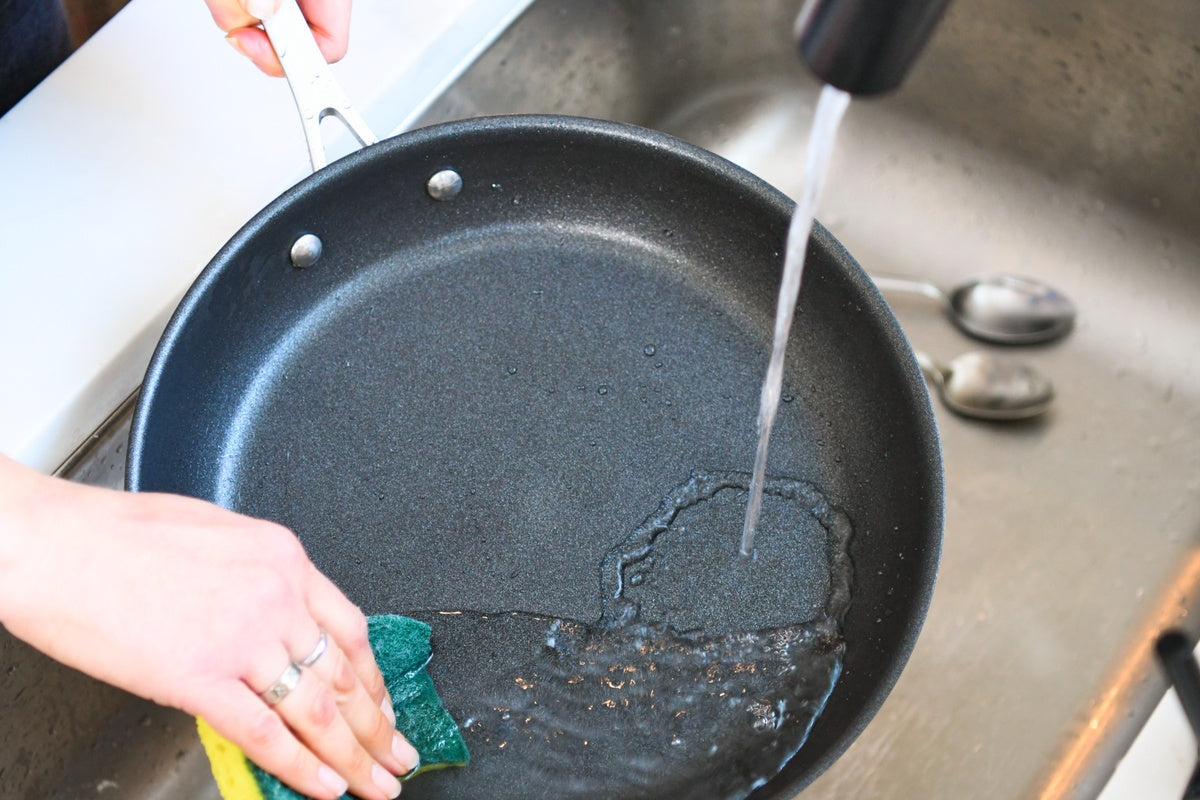
Always wash nonstick bakeware by hand. Use warm water and mild dish soap. A soft sponge or cloth works best. Avoid steel wool or rough scrubbers. Rinse well to remove all soap. Dry with a soft towel to prevent water spots.
Avoiding Harsh Cleaners
Skip bleach or strong chemical cleaners. These can damage the nonstick surface. Choose gentle, non-abrasive cleaning products. Harsh cleaners may cause scratches or peeling. Stick to mild soaps and warm water for safe cleaning.
Removing Stubborn Residue
For tough spots, soak bakeware in warm, soapy water. Let it sit for 15-20 minutes. Use a soft brush or sponge to gently scrub. Avoid metal tools that can scratch the surface. Baking soda mixed with water can help lift residue. Rinse and dry thoroughly after cleaning.
Proper Usage Tips
Using nonstick bakeware correctly keeps it in good shape longer. Proper use helps prevent scratches, warping, and damage. Follow simple steps to protect the coating and maintain performance.
Choosing The Right Utensils
Always use soft utensils like silicone, wood, or plastic. Metal tools can scratch and ruin the nonstick surface. Gentle utensils help food release easily and keep the coating smooth.
Temperature Guidelines
Keep baking temperatures moderate to protect the coating. Avoid very high heat, which can break down the nonstick layer. Check the manufacturer’s recommended temperature limits for your bakeware.
Avoiding Thermal Shock
Do not expose bakeware to sudden temperature changes. Avoid moving it from the oven directly to cold water. Let it cool naturally to prevent warping and coating damage.
Storage Practices
Proper storage helps keep nonstick bakeware in good condition. It prevents damage and extends the life of the coating. Careful storage stops scratches and dents that reduce nonstick performance.
Store bakeware in a dry, cool place. Avoid crowded spaces that force items to press against each other. Organize your kitchen shelves or cabinets to fit each piece comfortably.
Safe Stacking Methods
Stack bakeware carefully to avoid scratching the nonstick surface. Place soft liners, like paper towels or cloth, between each pan. This simple step stops metal or hard surfaces from rubbing together.
Stack only pans of similar size and shape. Avoid heavy pans on top of lighter ones. This prevents bending or warping of the bakeware.
Protecting The Surface
Use protective pads or silicone mats inside stacked bakeware. These create a soft barrier that guards the coating. Avoid stacking pans without any protection.
Keep bakeware away from sharp or rough objects. Store utensils and metal tools separately. Contact with hard items can chip or peel the nonstick layer.
Preventing Damage
Nonstick bakeware needs gentle care to stay in good shape. Preventing damage helps keep the coating smooth and effective. Small mistakes can cause scratches or chips that reduce its lifespan. Careful handling and cleaning protect your bakeware.
Handling Scratches And Chips
Scratches can ruin the nonstick surface and make food stick. Avoid using knives or sharp tools on the bakeware. If you notice small chips, stop using the pan for baking. These damaged spots can lead to more peeling. Use silicone or wooden utensils to keep the surface safe.
Avoiding Abrasive Tools
Scrubbing pads and metal brushes can harm nonstick coatings. Choose soft sponges or cloths for cleaning. Harsh scouring can wear off the nonstick layer quickly. Wash with mild soap and warm water only. Avoid dishwasher use if possible, as some detergents are abrasive too.
Restoring Shine
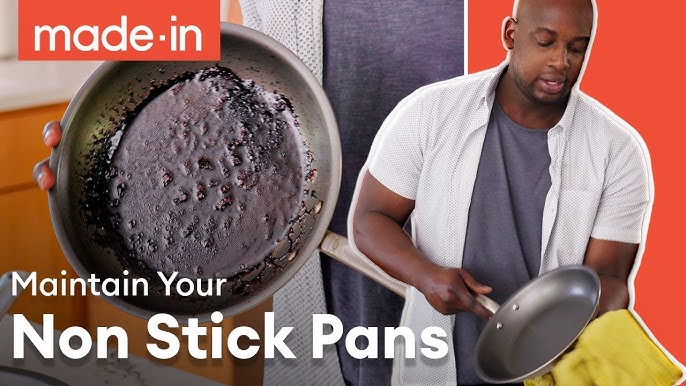
Nonstick bakeware can lose its shine after frequent use. Restoring that smooth, glossy surface helps food release better. It also keeps your bakeware looking new. Simple steps can bring back the shine without harsh chemicals. These methods protect the nonstick coating and extend the bakeware’s life.
Seasoning Nonstick Surfaces
Seasoning nonstick bakeware creates a thin protective layer. Start by cleaning the bakeware with warm, soapy water. Dry it completely with a soft cloth. Rub a small amount of cooking oil on the surface. Use oils like vegetable or canola oil. Heat the bakeware in the oven at 350°F for 30 minutes. Let it cool inside the oven before removing. This process fills tiny scratches and smooths the surface. Seasoning improves the shine and nonstick performance.
Using Natural Polishers
Natural polishers clean and brighten nonstick bakeware gently. Mix baking soda with water to form a paste. Apply the paste to the bakeware with a soft sponge. Rub in small circles to remove stains and dullness. Rinse well with warm water and dry with a towel. Lemon juice also works well to brighten surfaces. Dab lemon juice on a cloth and wipe the bakeware. These natural ingredients avoid damage while restoring shine.
Credit: americankitchen.com
Credit: www.youtube.com
Frequently Asked Questions
How Do I Clean Nonstick Bakeware Safely?
Use warm, soapy water and a soft sponge to clean nonstick bakeware. Avoid abrasive scrubbers that can damage the surface. Dry it well before storing.
Can I Use Metal Utensils On Nonstick Bakeware?
No, metal utensils can scratch and ruin the nonstick coating. Use wooden, silicone, or plastic tools instead. This helps keep the surface smooth and lasting longer.
What Temperature Is Safe For Nonstick Bakeware?
Most nonstick bakeware is safe up to 450°F (232°C). Check the manufacturer’s instructions to avoid overheating. High heat can damage the coating and reduce its life.
How Do I Store Nonstick Bakeware Properly?
Store nonstick bakeware in a dry place to prevent moisture damage. Avoid stacking heavy items on top to stop scratches. You can place paper towels between pans for extra protection.
Conclusion
Taking care of nonstick bakeware keeps it working well longer. Use soft sponges and mild soap to clean it gently. Avoid metal tools that can scratch and damage the surface. Store bakeware carefully to prevent dents and chips. Regular care saves money and helps food cook evenly.
Small habits make a big difference in bakeware life. Keep these tips in mind for better baking results every time. Your nonstick pans will thank you with lasting performance.