You love how easy nonstick pans make cooking and cleaning. But are you sure you’re keeping them as clean and safe as possible?
Using the wrong methods can damage your pan or even release harmful chemicals into your food. Imagine enjoying every meal without worrying about stains, scratches, or toxins. You’ll discover simple, effective ways to keep your nonstick pans spotless and long-lasting.
Keep reading, and your pans will thank you with better performance and safer cooking every time.
Choosing The Right Nonstick Pan
Choosing the right nonstick pan is the first step to keeping your cookware clean and safe. Not all nonstick pans are created equal, and picking the best one can save you from frustration and costly replacements. Understanding different coatings and what signals quality will help you make a smart choice for your kitchen.
Types Of Nonstick Coatings
There are several types of nonstick coatings available, each with its own pros and cons. The most common is PTFE (polytetrafluoroethylene), often known by the brand name Teflon. It offers excellent nonstick performance but can degrade if overheated above 500°F (260°C).
Ceramic coatings are another popular option. They are made from inorganic minerals and can handle higher temperatures safely. However, ceramic tends to lose its nonstick ability faster than PTFE if not cared for properly.
Some pans use anodized aluminum, which is not technically nonstick but offers a naturally smooth surface that resists sticking better than regular aluminum. It’s a good choice if you want durability without synthetic coatings.
Quality Indicators To Look For
When choosing your pan, check if the manufacturer mentions PFOA-free coatings. PFOA is a harmful chemical once common in nonstick production, so its absence is a good sign of safety.
Also, look for thick, even coating layers. Thin layers may peel or scratch easily, shortening the pan’s life. A pan with a solid, heavy base distributes heat better, preventing hotspots that can damage the coating.
Finally, consider brands with good reputations and customer reviews. Sometimes, paying a bit more upfront can save you money and hassle later. Have you ever bought a cheap pan that lost its coating after a few uses? Choosing quality helps you avoid that disappointment.

Credit: www.amazon.com
Daily Cleaning Techniques
Keeping nonstick pans clean every day helps them last longer. Dirt and food leftovers can damage the coating. Daily cleaning stops buildup and keeps the pan safe for cooking. Use gentle methods that protect the surface and remove grease well.
Safe Washing Methods
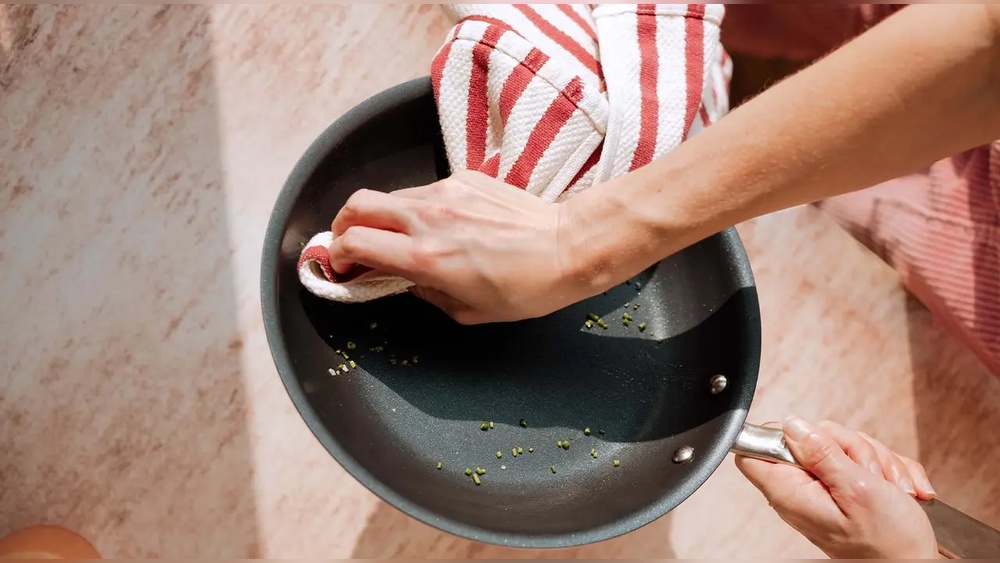
Wash the pan with warm water and mild dish soap. Use a soft sponge or cloth to clean the surface. Rinse well to remove all soap. Dry the pan with a soft towel to avoid water spots. Avoid soaking the pan for too long to protect the coating. Clean the pan soon after use to prevent food from sticking.
Avoiding Abrasive Tools
Never use steel wool or rough scrubbers on nonstick pans. These tools can scratch and ruin the coating. Avoid harsh scouring powders or abrasive cleaners. Use soft sponges or nylon scrubbers instead. Scratches reduce the pan’s nonstick ability and may cause harmful chemicals to release. Gentle cleaning keeps the surface smooth and safe.
Deep Cleaning Tips
Deep cleaning your nonstick pans helps keep them safe and long-lasting. Regular cleaning removes grease and food bits. But sometimes, residue sticks and needs extra care. Use gentle methods to protect the pan’s coating and avoid damage. Here are tips to clean deeply without harming your pans.
Removing Stubborn Residue
Fill the pan with warm water and a few drops of dish soap. Let it soak for 15 to 30 minutes to loosen stuck food. Use a soft sponge or cloth to wipe away residue. Avoid steel wool or rough scrubbers that can scratch the surface.
For tough spots, sprinkle baking soda on the pan. Add a little water to make a paste. Rub gently with a soft sponge in small circles. Baking soda helps lift residue without harsh chemicals. Rinse well with warm water and dry with a soft cloth.
Natural Cleaning Solutions
Mix equal parts white vinegar and water in the pan. Heat the mixture on low for a few minutes. The vinegar breaks down grease and stains naturally. Let it cool, then wash with mild dish soap and a soft sponge.
Lemon juice also works well. Rub half a lemon directly on the pan or mix lemon juice with baking soda. The natural acid cleans and refreshes the surface. Rinse thoroughly and dry completely before storing your pan.

Credit: www.amazon.com
Preventing Damage
Keeping your nonstick pans clean and safe starts with preventing damage. Nonstick coatings are delicate. They need careful handling to last long. Small actions in the kitchen protect your pans every day.
Proper Cooking Practices
Use low to medium heat for cooking. High heat can ruin the nonstick surface. Always add oil or butter before heating the pan. This helps protect the coating and improves cooking.
Avoiding High Heat
Never heat an empty nonstick pan. It can break down the coating fast. Use gentle heat to keep the surface intact. Avoid boiling or frying on very high heat.
Using Suitable Utensils
Choose wooden, silicone, or plastic utensils. Metal tools scratch and damage the coating. Gentle utensils keep the surface smooth and safe. This extends the life of your pan.
Storage And Maintenance
Proper storage and regular care keep nonstick pans lasting longer. These steps protect the coating and keep pans safe for cooking. Simple habits help avoid scratches and damage over time.
Storing Without Scratches
Stacking pans directly can cause scratches on the nonstick surface. Use pan protectors or soft cloths between pans. Store pans in a way that avoids rubbing or pressure on the coating. Hang pans if possible to keep surfaces safe and dry.
Regular Inspection And Care
Check pans often for chips or scratches on the surface. Small damage can worsen if ignored. Clean pans gently with soft sponges, avoiding abrasive materials. Dry pans completely before storing to prevent rust and residue build-up.
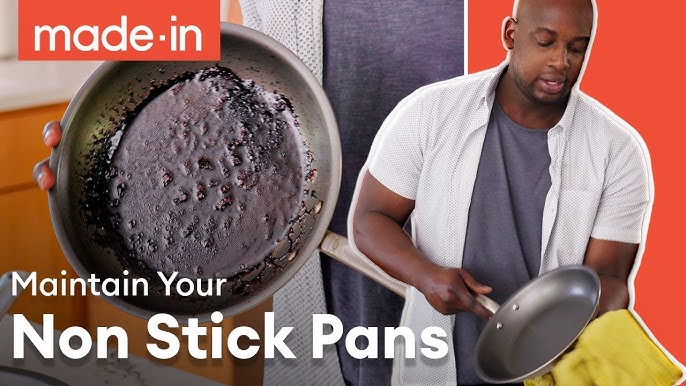
Credit: www.youtube.com
When To Replace Your Nonstick Pan
Nonstick pans make cooking easy and cleanup faster. But these pans do not last forever. Knowing when to replace your nonstick pan keeps your food safe and your kitchen clean.
Using a worn pan can affect your cooking results and your health. Watch for clear signs that your pan needs replacing soon.
Signs Of Wear And Tear
Scratches or peeling on the nonstick surface are warning signs. Food sticks more often and cleaning becomes harder. The pan may also show discoloration or warping. These signs mean the coating is breaking down. A damaged pan does not cook evenly.
Health And Safety Considerations
Old nonstick coatings can release harmful chemicals when heated. Cooking on damaged pans may contaminate your food. Replace your pan if the surface is chipped or flaking. Avoid breathing smoke or fumes from overheated pans. Using a new pan protects your health and improves cooking.
Frequently Asked Questions
How Do I Clean Nonstick Pans Without Damaging Them?
Use warm water and mild dish soap with a soft sponge. Avoid abrasive scrubbers or steel wool to keep the coating safe. Rinse well and dry with a soft cloth.
What Should I Avoid To Keep Nonstick Pans Safe?
Do not use metal utensils or high heat, as they can scratch or damage the pan. Avoid cooking sprays that leave sticky residue. Hand wash only; avoid the dishwasher.
How Often Should I Clean My Nonstick Pan?
Clean the pan after every use to stop food buildup. Regular cleaning helps keep the nonstick surface smooth and safe. This also extends the pan’s life.
Conclusion
Keeping your nonstick pans clean and safe takes small daily habits. Use soft sponges and mild soap for washing. Avoid metal tools to stop scratches. Cook on low or medium heat to protect the coating. Store pans carefully to prevent damage.
These simple steps help your pans last longer and work better. Enjoy cooking with your well-kept nonstick pans every day. Easy care means better meals and less stress. Try these tips and see the difference yourself.