Mold in your pantry can cause serious problems—from ruining your food to creating unhealthy air in your home. You might not even notice it until it’s too late.
But what if you could stop mold before it starts? You’ll discover simple, effective steps to keep your pantry fresh and mold-free. By taking action now, you protect your food, your health, and your peace of mind. Ready to learn how to prevent mold in your pantry spaces?
Let’s dive in.
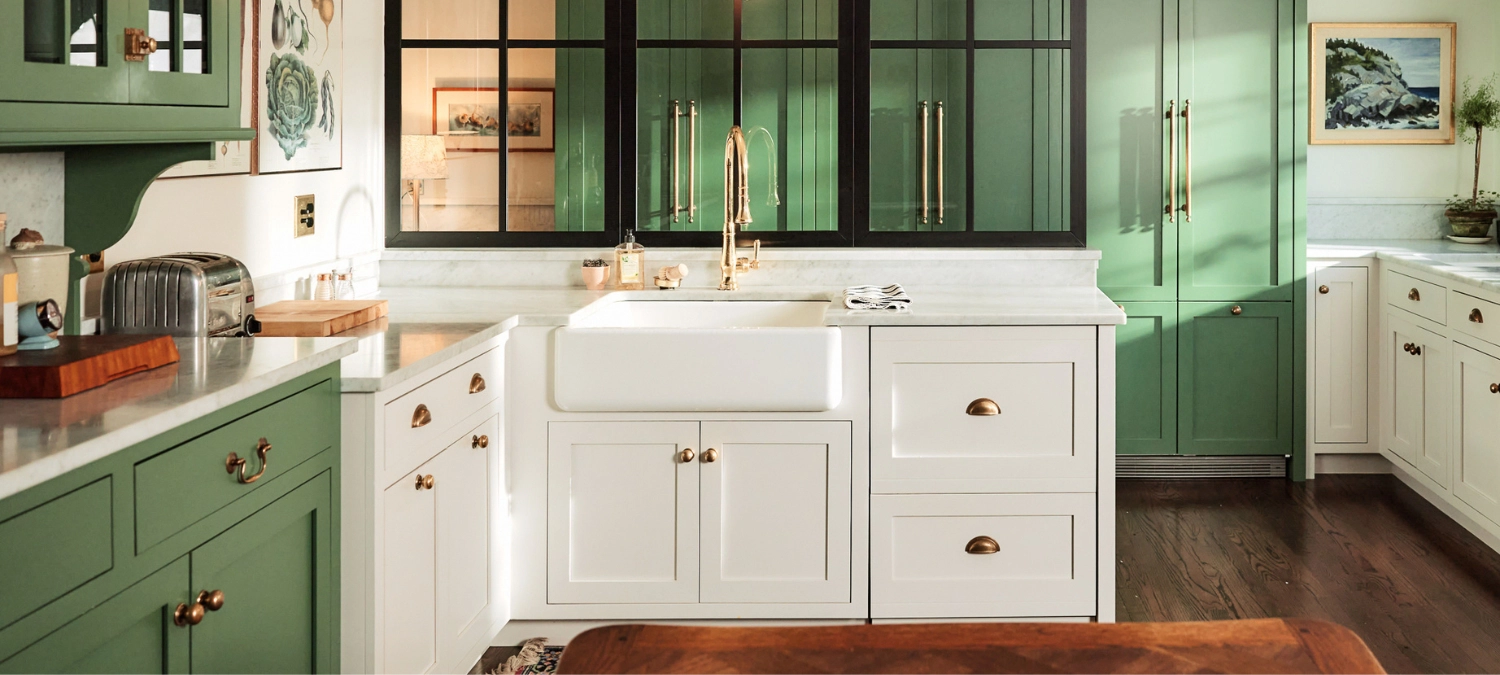
Credit: gesealants.com
Causes Of Mold In Pantries
Mold in pantry spaces grows because of certain common causes. Understanding these causes helps to stop mold before it starts. Mold needs moisture, warmth, and food to grow. Pantries often have all three, which makes them vulnerable to mold problems.
Common Moisture Sources
Moisture is the main cause of mold growth in pantries. Leaky pipes or walls let water inside. Humid air from kitchens or basements raises moisture levels. Spilled liquids that are not cleaned up add to the dampness. Even condensation on shelves can create a wet surface for mold.
Poor Ventilation Effects
Pantries often lack good airflow, which traps moisture inside. Without ventilation, damp air cannot escape. This creates a perfect environment for mold spores to grow. Stale air stays in corners and behind shelves. Proper air circulation helps keep the space dry and mold-free.
Food Storage Issues
Food that is not stored properly can attract mold. Open packages or damaged containers expose food to air and moisture. Perishable items left too long spoil and grow mold quickly. Storing food in damp or warm spots speeds up mold growth. Organizing and sealing food helps prevent mold in pantries.

Credit: purehomeus.com
Choosing The Right Storage
Choosing the right storage is key to stopping mold in pantry spaces. Proper storage keeps food dry and safe from mold spores. It also helps maintain a clean and organized pantry. Using the right containers and materials lowers moisture and air exposure. This section covers simple ways to pick storage that prevents mold growth.
Airtight Containers
Airtight containers block air and moisture from reaching food. They keep dry goods fresh longer and stop mold spores. Look for containers with tight seals made of glass or plastic. Clear containers help you see the contents easily. Avoid containers that crack or let air in.
Moisture-absorbing Materials
Moisture-absorbing materials help keep pantry air dry. Silica gel packs and activated charcoal absorb extra moisture inside containers. Place them in jars or boxes with dry foods. These materials reduce dampness that allows mold to grow. Replace them regularly to keep them effective.
Shelf Liners And Covers
Shelf liners protect pantry shelves from spills and moisture. Choose liners that are easy to clean and water-resistant. Covers for shelves or baskets stop dust and moisture from settling on food. Regularly clean liners and covers to keep the pantry fresh. This small step helps prevent mold buildup on pantry surfaces.
Maintaining Pantry Cleanliness
Keeping your pantry clean helps stop mold from growing. A clean space means less dust, crumbs, and moisture. These are things mold loves. Regular care keeps your food safe and fresh. It also makes your kitchen a nicer place.
Regular Cleaning Routine
Clean your pantry shelves at least once a month. Remove all items before wiping the surfaces. Use a damp cloth to catch dust and spills. Dry the shelves well to avoid moisture build-up. Check for expired food and throw it away. This stops mold from feeding on old crumbs.
Spotting Early Mold Signs
Look for small black, white, or green spots. Mold often grows in corners or behind jars. Smell your pantry for musty or damp odors. These smells warn you mold might be present. Catching mold early helps stop it from spreading. Act fast to clean any spots you find.
Using Natural Cleaning Agents
Natural cleaners fight mold without harsh chemicals. Mix equal parts water and white vinegar in a spray bottle. Spray shelves and wipe them clean with a cloth. Baking soda also removes mold and odors. Sprinkle it on surfaces, then wipe after a few minutes. These safe cleaners protect your pantry and health.
Improving Airflow And Humidity
Improving airflow and controlling humidity are key steps to stop mold in pantry spaces. Mold loves damp, still air. By increasing air movement and lowering moisture, you create a less friendly place for mold to grow.
Good airflow helps dry out damp areas quickly. Lower humidity keeps mold spores from settling and growing on pantry shelves and food packages. Small changes in ventilation and humidity control can make a big difference.
Ventilation Options
Open pantry doors or windows when possible. This lets fresh air circulate. Use small fans to move air inside the pantry. Vent fans in nearby rooms also help reduce moisture.
Install vents or grilles in pantry walls or doors. This keeps air flowing even when the pantry is closed. Avoid blocking vents with boxes or jars.
Dehumidifiers And Desiccants
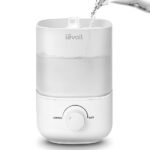
Dehumidifiers remove moisture from the air. Place a small dehumidifier inside or near the pantry. It keeps the air dry and mold-free.
Desiccants like silica gel or activated charcoal absorb moisture too. Put them in containers or small bags on pantry shelves. Replace them often for best results.
Temperature Control Tips
Keep pantry temperature stable and cool. Warm air holds more moisture, which encourages mold growth. Avoid placing the pantry near heat sources like ovens or heaters.
Use an air conditioner or cooling system to reduce humidity during hot months. Cooler air helps keep mold spores inactive. Check pantry temperature regularly with a simple thermometer.
Smart Food Storage Practices
Smart food storage practices help keep your pantry dry and clean. These steps lower the chance of mold growing on your food and shelves. Good habits also keep your food fresh and safe to eat.
Avoiding Expired Items
Check expiration dates regularly. Remove old items before new ones go in. Expired food can attract mold and pests. Organize your pantry so you use the oldest items first. This reduces waste and keeps your pantry fresh.
Separating Moist Foods
Store moist foods away from dry ones. Moisture spreads easily and causes mold to grow. Use separate containers or shelves for fresh produce and dry goods. Keep fruits and vegetables in cool, ventilated areas. This limits moisture build-up and keeps food safe.
Properly Sealing Packages
Seal all food packages tightly after opening. Use airtight containers or resealable bags. This stops moisture and air from getting in. Proper sealing keeps food dry and fresh longer. It also prevents mold spores from settling on your food.
Quick Fixes For Mold Problems
Mold in pantry spaces can spread quickly. Acting fast stops mold from damaging your food and shelves. Quick fixes help keep your pantry clean and safe.
Safe Mold Removal Methods
Wear gloves and a mask before cleaning mold. Use a mix of water and white vinegar to wipe surfaces. Avoid harsh chemicals that may harm your food. Dry the area completely after cleaning. Small mold spots can be scrubbed gently with a brush. Dispose of any cloths or sponges used to clean mold. This prevents mold spores from spreading further.
Preventing Mold Recurrence
Keep your pantry dry by using moisture absorbers or silica gel packs. Ensure good air flow by leaving pantry doors open sometimes. Check for leaks in pipes or walls near the pantry. Store food in airtight containers to block moisture. Clean your pantry regularly to catch mold early. Temperature control also helps; keep the pantry cool and dry.
When To Replace Pantry Items
Throw away food that shows mold growth. Mold can contaminate even sealed packages. Check expiration dates and smell items before use. If food smells off or looks strange, discard it. Avoid tasting food to test for mold. It is safer to replace questionable items. Proper storage helps reduce waste and mold risks.

Credit: purehomeus.com
Frequently Asked Questions
How Can I Stop Mold From Growing In My Pantry?
Keep your pantry dry and clean. Use airtight containers to store food. Check for leaks or damp spots often.
What Causes Mold To Form In Pantry Spaces?
Mold grows where there is moisture and warmth. Poor ventilation and spills create perfect conditions. Old food also helps mold grow.
How Often Should I Clean My Pantry To Prevent Mold?
Clean your pantry at least once a month. Remove expired food and wipe shelves with vinegar. This keeps mold and pests away.
Conclusion
Preventing mold in your pantry keeps food safe and fresh. Keep shelves clean and dry at all times. Store food in airtight containers to block moisture. Check for leaks or damp spots regularly. Good airflow helps stop mold from growing.
Small steps make a big difference over time. A dry, clean pantry means less waste and healthier food. Stay consistent with these simple habits to protect your pantry. Mold won’t stand a chance.