Are you tired of your bread turning stale just a day after you buy it? You’re not alone.
Keeping bread fresh can be tricky, but with the right tips, you can enjoy soft, delicious bread for longer. Imagine slicing into a loaf that feels like it just came from the bakery every time you reach for it. You’ll discover simple, effective ways to store your bread and keep it fresh.
Say goodbye to wasted bread and hello to tasty, satisfying slices every day. Keep reading—you’ll be amazed at how easy it is to make your bread last.

Credit: www.tasteofhome.com
Choosing The Right Bread
Choosing the right bread is key to keeping it fresh longer. Bread types vary in moisture, texture, and shelf life. Knowing these differences helps pick bread that stores well.
Types Of Bread And Freshness
Bread made with whole grains lasts longer than white bread. It has more moisture, which slows drying out. Sourdough bread stays fresh for several days without molding quickly. Bread with preservatives lasts longer but may have less natural flavor. Soft breads dry out fast. Crusty breads can stay fresh longer if stored properly.
Best Bread For Storing
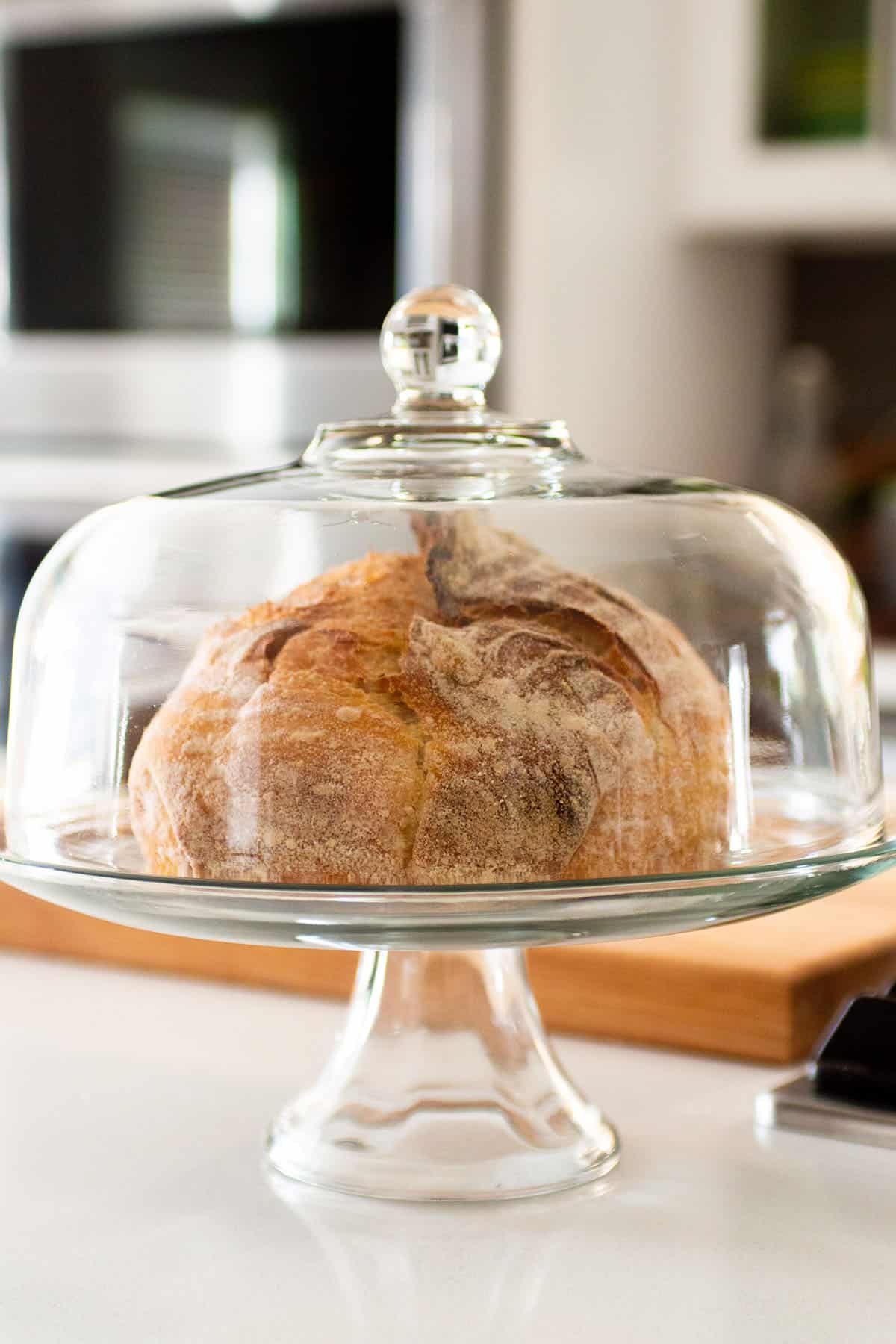
Choose bread with a firm crust and dense texture for storage. Rye and sourdough are good options. They resist mold better than soft breads. Avoid breads with lots of seeds or nuts; they spoil faster. Freshly baked bread without preservatives should be eaten quickly or frozen. Store bread in a cool, dry place to keep freshness.
Credit: dirtanddough.com
Ideal Storage Conditions
Keeping bread fresh starts with the right storage conditions. Bread needs a balanced environment to stay soft and tasty. Too much warmth or moisture can spoil it fast. Too dry air can make it hard and crumbly. Understanding the ideal temperature and humidity helps extend bread’s life.
Proper storage also prevents mold and staleness. Choosing the correct place and method protects your bread. It keeps the bread ready to eat for days. Let’s explore key factors to keep bread fresh and delicious.
Temperature And Humidity Factors
Bread stays best at cool, room temperature, around 20°C (68°F). Too warm makes bread spoil faster. Cold temperatures, like in the fridge, dry bread out quickly. Humidity also matters. A dry place causes bread to harden. Too much moisture leads to mold growth. Aim for a spot with moderate humidity and stable temperature.
Avoiding Mold And Staleness
Mold grows when bread meets moisture and warmth. Keep bread in a clean, dry container or bag. Avoid plastic bags without ventilation. Use paper bags or cloth wraps to allow air flow. Do not store bread near fruits or vegetables. They release moisture and speed mold growth. Check bread daily and remove slices that look or smell off.
Storage Methods
Proper storage keeps bread fresh and tasty longer. Different methods suit different needs. Choose based on how soon you plan to eat the bread. Each method affects bread texture and flavor in unique ways.
Room Temperature Storage
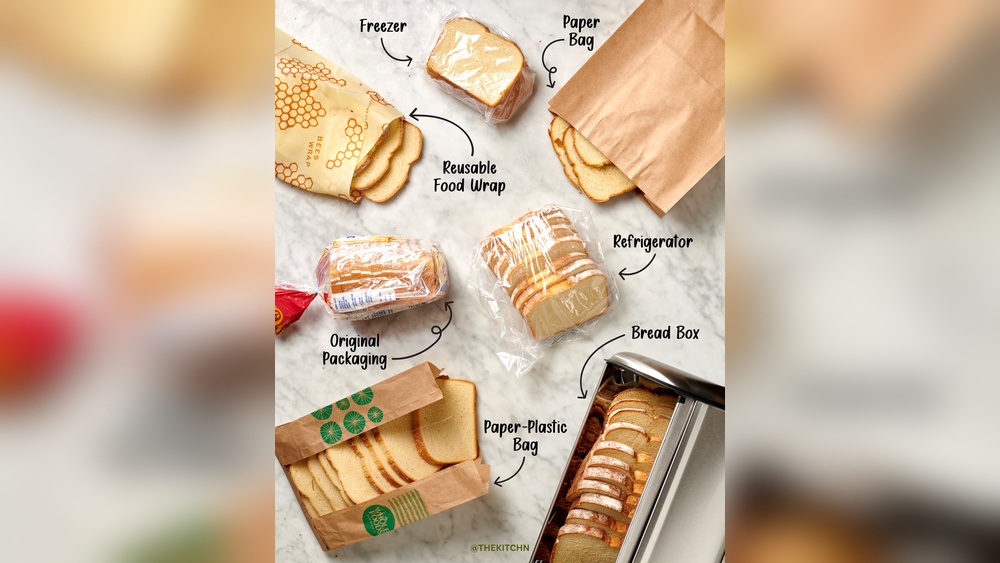
Store bread in a cool, dry place at room temperature. Use a bread box or paper bag to protect it. Avoid plastic bags; they trap moisture and cause mold. Bread stays fresh this way for about two to three days. Keep bread away from direct sunlight and heat sources.
Refrigeration Pros And Cons
Refrigeration slows mold growth but dries bread quickly. Bread stored in the fridge can become stale in a day or two. Use this method only if the room is very warm or humid. Wrap bread tightly in plastic wrap or a sealed bag. This reduces moisture loss but may soften the crust.
Freezing Bread Properly
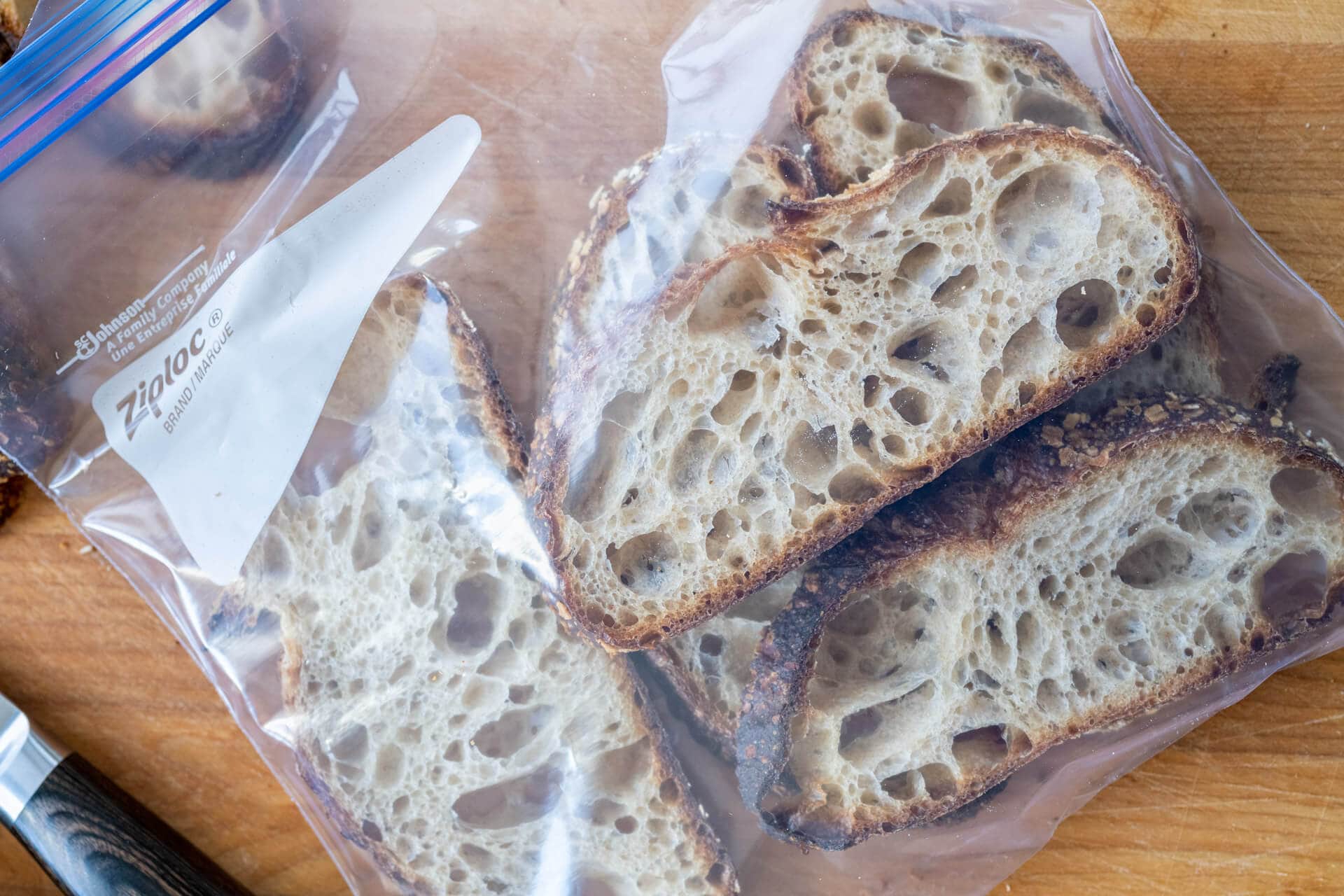
Freezing is best for long-term storage. Slice the bread before freezing for easy use. Wrap slices in plastic wrap, then place in a freezer bag. Remove as much air as possible to prevent freezer burn. Bread can last up to three months frozen. Thaw at room temperature or toast directly from frozen.
Packaging Techniques
Packaging plays a key role in keeping bread fresh. The right method stops bread from drying out or getting moldy. It also helps keep the bread soft and tasty for longer. Different packaging options fit different types of bread and storage needs.
Using Bread Boxes
Bread boxes are designed to keep bread fresh at room temperature. They allow some air to flow inside, which stops moisture buildup. This prevents the bread from becoming soggy or moldy. Bread boxes keep bread soft on the inside while maintaining a crisp crust. They work well for daily bread use. Just place the bread inside and close the lid.
Plastic Wrap And Bags
Plastic wrap and bags keep moisture locked in. This helps bread stay soft and prevents it from drying out. Use plastic wrap tightly to cover the bread or place it in a sealed plastic bag. This method works best for short-term storage or freezing. Plastic traps moisture, so bread crust may lose some crispness.
Paper Bags Benefits
Paper bags let bread breathe while protecting it from dust. They help maintain a crunchy crust by allowing air to escape. Paper bags absorb excess moisture, reducing mold risk. This method is ideal for crusty breads like baguettes. Paper bags are eco-friendly and easy to use. Keep bread in a paper bag at room temperature for best results.
Reviving Stale Bread
Stale bread happens to everyone. It feels hard and dry, losing its fresh taste. Throwing it away is wasteful. Luckily, you can bring stale bread back to life. A few simple methods restore softness and flavor quickly. These tricks make your bread enjoyable again without baking a new loaf.
Quick Refresh Techniques
One fast way is to sprinkle water on the bread. Use a spray bottle or damp fingers. Lightly moisten the crust and inside. Wrap the bread in a clean cloth. Let it sit for 10 to 15 minutes. The moisture softens the bread, making it easy to cut and chew. This method works best for slightly stale bread.
Using Oven Or Microwave
The oven heats bread evenly, reviving its texture well. Preheat the oven to 350°F (175°C). Wrap the bread in foil to keep moisture in. Heat for 10 to 15 minutes. Check if the bread feels soft before removing. Avoid overheating to prevent dryness or burning.
Microwaving is faster but less even. Wrap the bread in a damp paper towel. Microwave on medium power for 10 to 20 seconds. Check softness and repeat if needed. Use microwave for small amounts or quick fixes only.
Common Mistakes To Avoid
Storing bread might seem simple, but many make mistakes that spoil it fast. These errors reduce freshness and cause bread to get hard or moldy. Avoiding common mistakes helps keep bread soft and tasty longer.
Storing In The Fridge Incorrectly
Putting bread in the fridge often dries it out quickly. Cold air makes bread stale faster than room temperature. Wrapping bread tightly in plastic before refrigerating traps moisture, causing mold. Best to keep bread in a cool, dry place outside the fridge.
Ignoring Bread Moisture Levels
Bread moisture affects how long it stays fresh. Too much moisture makes bread soggy and moldy. Too little moisture makes it dry and crumbly. Use paper bags or cloth wraps to balance moisture. Avoid plastic bags for fresh bread, as they hold too much moisture.
Credit: www.theperfectloaf.com
Frequently Asked Questions
How Long Does Bread Stay Fresh At Room Temperature?
Bread stays fresh 2 to 3 days at room temperature. Keep it in a bread box or paper bag. Avoid plastic bags to stop moisture build-up.
Can I Freeze Bread To Keep It Fresh Longer?
Yes, freezing bread can keep it fresh for months. Wrap it tightly in plastic wrap or foil. Thaw at room temperature before eating.
What Is The Best Way To Store Bread After Opening?
Store opened bread in a paper bag or bread box. This keeps the crust crisp and the inside soft. Avoid storing in the fridge to prevent drying.
Conclusion
Storing bread the right way keeps it fresh and tasty longer. Use a cool, dry place and avoid too much air. Wrapping bread in cloth or paper helps prevent mold. Freezing bread works well for longer storage. Remember to slice before freezing for easy use later.
Simple steps make a big difference. Enjoy your bread at its best every day.