Your kitchen knives are more than just tools—they’re your secret weapon for quick, precise cooking. But if your knives are dull or rusty, they can slow you down and even become dangerous.
Imagine slicing through ingredients effortlessly, every single time. Sounds great, right? You’ll discover smart tips to keep your knives sharp and rust-free. These easy steps will save you time, money, and frustration. Ready to unlock the full potential of your knives?
Keep reading and transform your cooking experience today.
Choosing The Right Knife
Choosing the right knife makes a big difference in how long it stays sharp and rust-free. A good knife feels balanced and comfortable in your hand. It also holds an edge longer and resists damage. Not all knives are the same. Knowing the types of blades and materials helps you pick the best one for your needs.
Types Of Knife Blades
Knife blades come in different shapes and styles. Each blade suits a specific task. Straight blades are great for slicing and chopping. Serrated blades cut through tough skins or bread easily. Some knives have curved blades for rocking motions when cutting. The blade type affects how sharp it stays and how easy it is to clean.
Choose a blade that fits the food you cut most. Thinner blades sharpen easily but may dull faster. Thicker blades last longer but need more effort to sharpen.
Materials That Resist Rust
Material plays a key role in preventing rust. Stainless steel is common because it resists rust well. High-carbon stainless steel mixes sharpness with rust resistance. Ceramic blades do not rust but can chip more easily. Carbon steel sharpens quickly but needs more care to avoid rust.
Pick knives made from materials that match your kitchen habits. If you often leave knives wet, stainless steel is best. Dry knives immediately after washing to keep rust away.
Daily Knife Care
Daily knife care keeps your blades sharp and rust-free. Small habits prevent damage and extend knife life. Clean and store knives properly after each use. This simple routine protects your tools and ensures safety.
Proper Cleaning Techniques
Wash knives by hand using warm water and mild soap. Avoid dishwashers as they can dull the blade. Use a soft sponge or cloth to clean gently. Do not scrub hard or use abrasive pads. Rinse thoroughly to remove all soap residues.
Drying And Storage Tips
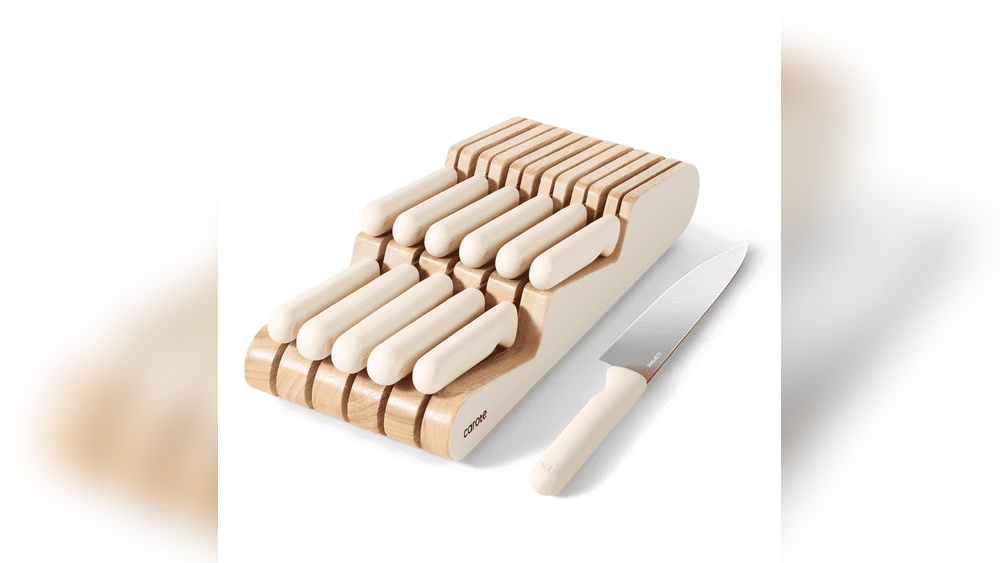
Dry knives immediately with a clean towel after washing. Leaving them wet invites rust and stains. Store knives in a wooden block, magnetic strip, or blade guard. Avoid tossing knives into drawers where blades can chip. Proper storage keeps edges sharp and safe to handle.
Sharpening Methods
Keeping knives sharp and rust-free starts with the right sharpening methods. Sharp knives cut better and safer. Dull blades make cooking harder and cause accidents. Different tools help sharpen knives effectively. Choose one that fits your skill and knife type.
Using Whetstones
Whetstones are a classic tool for sharpening knives. They come in different grit levels, from coarse to fine. Start with coarse grit to fix dull edges. Move to finer grit for a smooth finish. Soak the stone in water before use. Hold the knife at a 15-20 degree angle. Slide the blade across the stone evenly. Repeat on both sides until sharp. Whetstones need practice but give great control.
Electric Sharpeners
Electric sharpeners are quick and easy to use. They have slots with rotating wheels. Simply pull the knife through the slots slowly. The machine sharpens the blade automatically. Some models offer different settings for blade types. Electric sharpeners save time and effort. Use them carefully to avoid removing too much metal.
Honing Rods
Honing rods do not sharpen but realign the blade edge. Use them regularly to keep knives sharp longer. Hold the rod vertically with the tip on a surface. Swipe the knife down the rod at a 15-degree angle. Alternate sides with each stroke. Honing rods maintain the blade between sharpenings. They are simple and quick for daily use.
Preventing Rust
Rust can quickly damage your knives and reduce their lifespan. Preventing rust is key to keeping knives sharp and safe. Simple habits help protect your blades from rust formation. Avoid letting moisture sit on the knife. Clean and dry knives right after use.
Applying Protective Coatings
Use light oils to coat the knife blade. Food-safe mineral oil works well to stop rust. Apply a thin layer after cleaning and drying. This creates a barrier against moisture and air. Wipe off extra oil to avoid sticky buildup. Regular oiling keeps knives rust-free longer.
Avoiding Moisture Traps
Store knives in dry places away from water. Avoid putting knives away when damp or wet. Use a knife block or magnetic strip with air circulation. Do not leave knives in the sink or dishwasher. Moisture trapped between blades causes rust fast. Proper storage helps knives stay dry and sharp.
Safe Handling Practices
Safe handling practices play a key role in keeping knives sharp and rust-free. Careful use prevents damage to the blade and extends the knife’s life. Handling knives with respect also protects your fingers and hands from injury.
Follow these tips to maintain your knives in the best condition and avoid common mistakes that cause dullness or rust.
Avoiding Damage During Use
Do not use knives to cut hard materials like bones or frozen food. This can chip or dull the blade quickly. Avoid twisting or prying with the knife. Use the right knife for each task. Keep knives dry after use to stop rust from forming. Never leave knives soaking in water. Clean knives gently with warm water and mild soap.
Proper Cutting Surfaces
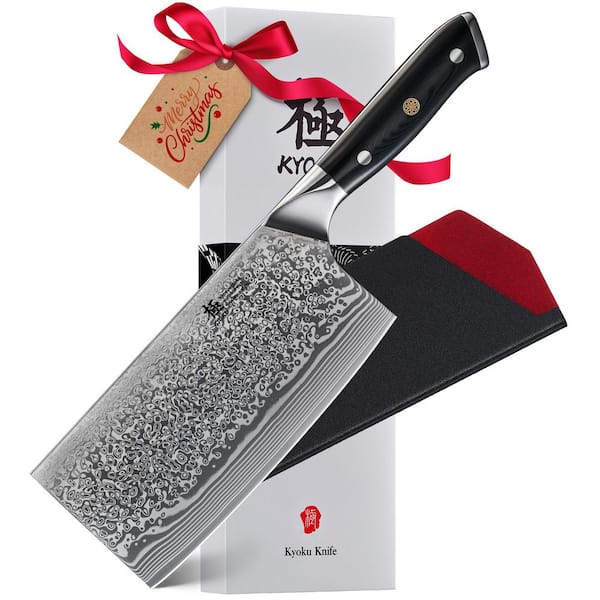
Choose cutting boards made of wood or plastic. These surfaces are gentle on knife edges. Avoid cutting on glass, metal, or stone surfaces. Hard surfaces dull knives fast and may cause chips. Regularly replace worn-out cutting boards. A smooth, clean board helps keep blades sharp and rust-free.
Credit: www.homedepot.com
Storage Solutions
Proper knife storage is key to keeping blades sharp and rust-free. Storing knives correctly protects the edges from damage. It also prevents moisture buildup that causes rust. Choose a storage method that fits your kitchen space and habits. Safe storage helps extend the life of your knives.
Magnetic Strips
Magnetic strips hold knives securely on the wall. They keep blades dry and allow air circulation. This reduces rust and dullness. The strip keeps knives visible and easy to grab. Avoid overcrowding to protect the edges from touching.
Knife Blocks
Knife blocks offer safe storage inside the kitchen. Choose blocks with slots that fit your knives well. This prevents blades from rubbing and dulling. Clean the block regularly to avoid moisture buildup. Wooden blocks can absorb water, so keep them dry.
Sheaths And Guards
Sheaths and guards cover the blade completely. They protect knives during storage or transport. Use plastic or leather guards for an extra layer. Guards stop blades from hitting other utensils or surfaces. Always dry knives before sliding on a sheath.
When To Replace Your Knife
Knowing when to replace your knife is key to safe and efficient cooking. A sharp, well-maintained knife cuts smoothly and reduces the risk of accidents. Over time, knives can wear down or rust, affecting their performance. Recognizing the signs helps you decide if it’s time for a new blade or if sharpening is enough.
Signs Of Wear Beyond Repair
Deep chips or cracks on the blade are clear signs of damage. Rust spots that won’t come off also mean the knife has aged poorly. A loose handle that wobbles or feels unstable is unsafe to use. Blades that no longer hold an edge after multiple sharpenings may need replacement. These issues affect safety and cutting quality.
Maintaining Performance Over Time
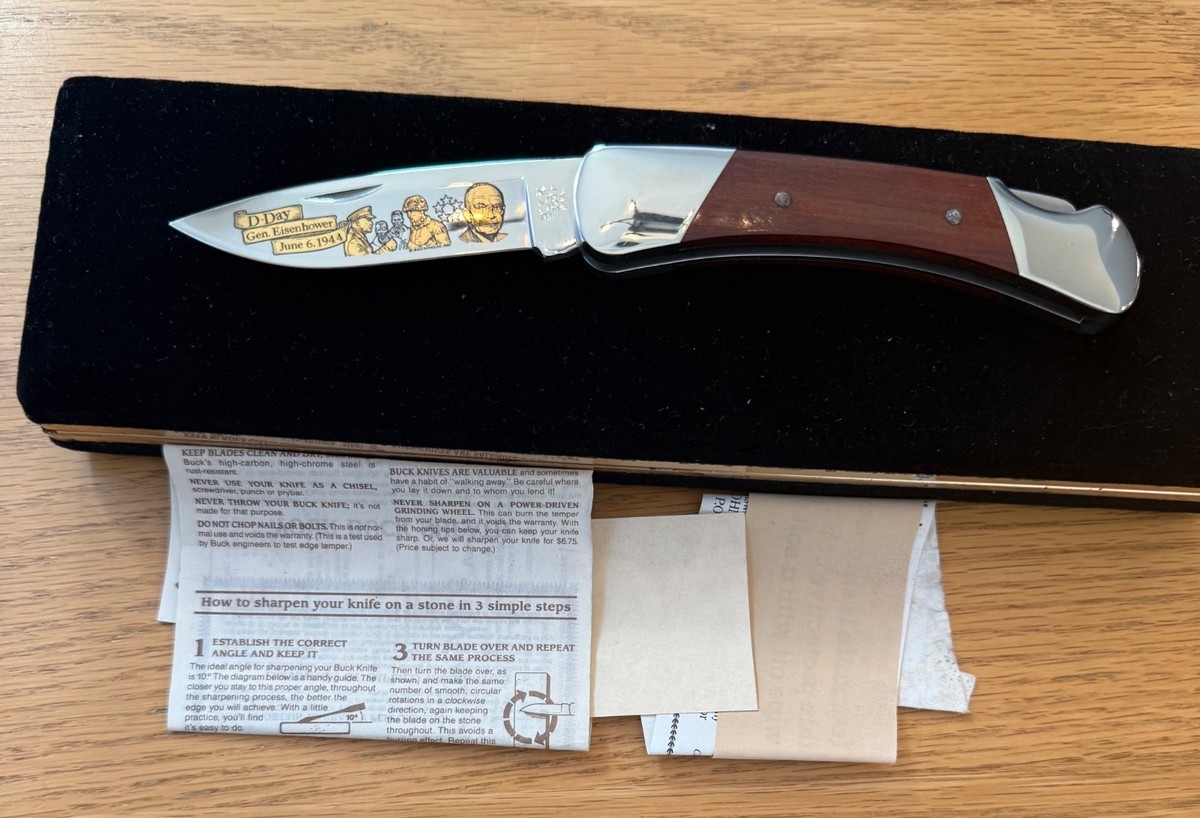
Regular sharpening keeps the blade sharp and efficient. Cleaning and drying the knife after use prevents rust and corrosion. Proper storage, like using a knife block or magnetic strip, protects the blade from damage. Oiling the blade occasionally helps keep metal surfaces smooth. Good care extends the knife’s life and performance.

Credit: www.amazon.com
Credit: www.ebay.com
Frequently Asked Questions
How Often Should I Sharpen My Kitchen Knives?
Sharpen knives every few months for normal use. Frequent cooking needs sharpening once a month. Regular sharpening keeps blades safe and effective.
What Is The Best Way To Prevent Knife Rust?
Keep knives dry and store in a dry place. Use oil to coat blades lightly after cleaning. Avoid leaving knives wet or in humid spots.
Can I Use A Sharpening Stone At Home?
Yes, sharpening stones are great for home use. Use water or oil on the stone before sharpening. It helps keep your knives sharp and precise.
How Should I Clean Knives To Avoid Damage?
Wash knives by hand with mild soap and water. Avoid dishwashers; they can dull and damage blades. Dry knives immediately after washing to prevent rust.
What Tools Are Best For Keeping Knives Sharp Regularly?
A honing rod is ideal for quick sharpening at home. It realigns the blade edge without removing metal. Use it before or after cooking for best results.
Conclusion
Keeping your knives sharp and rust-free takes just small daily steps. Clean them well and dry right after use. Store knives in a dry place away from moisture. Use a sharpening stone or tool regularly to maintain edges. Avoid cutting on hard surfaces like glass or stone.
These habits help your knives last longer and work better. Sharp knives make cooking safer and easier. Follow these simple tips for knives that stay sharp and rust-free every day. Your kitchen tools will thank you.