
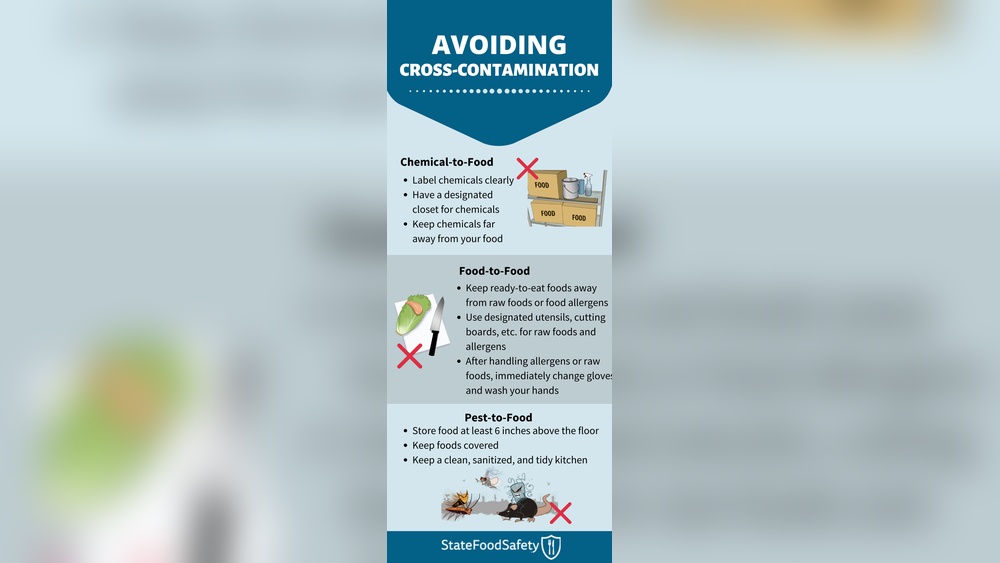
Imagine preparing a delicious meal only to discover that hidden germs have turned your effort into a health risk. You might not see them, but cross-contamination is a common danger in every kitchen.
Knowing how to prevent it can protect you and your loved ones from foodborne illnesses. You’ll learn simple, effective steps to keep your cooking safe and clean. Stick with me, and you’ll soon handle food with confidence, avoiding mistakes that many home cooks unknowingly make.
Your health and peace of mind are worth it.
Credit: www.cfs.gov.hk
Causes Of Cross-contamination
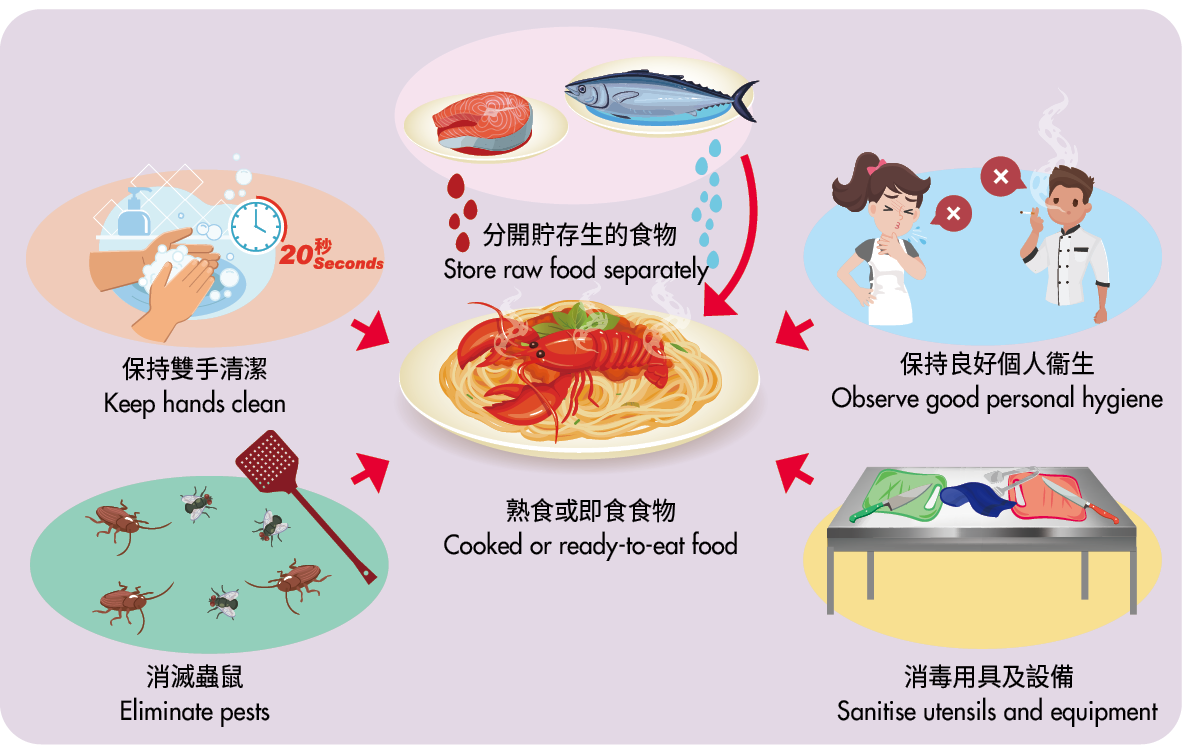
Cross-contamination happens when harmful bacteria or germs spread to food. This can cause foodborne illnesses. Knowing the causes helps prevent these risks in the kitchen. Here are the main reasons cross-contamination occurs.
Contaminated Surfaces
Surfaces like cutting boards and countertops can hold bacteria. If they are not cleaned well, germs transfer to food. Raw meat juices often contaminate these surfaces. Using the same surface for raw and cooked food is risky.
Improper Food Handling
Handling food without care spreads bacteria easily. Touching raw meat and then vegetables without washing hands is unsafe. Leaving food out too long at room temperature also allows bacteria to grow.
Shared Utensils And Equipment
Using the same knives or spoons for raw and cooked food spreads germs. Equipment like blenders or mixers can carry bacteria if not cleaned after use. Separate utensils help keep food safe.
Poor Personal Hygiene
Not washing hands before cooking spreads bacteria fast. Coughing or sneezing near food adds germs. Dirty clothes or hair can also contaminate food. Clean habits protect everyone.
Credit: www.safetypostershop.com
Safe Food Storage Practices
Safe food storage is key to stopping cross-contamination in the kitchen. Proper storage keeps harmful bacteria from spreading between foods. This protects your health and keeps meals fresh. Simple steps can make a big difference in food safety.
Separate Raw And Cooked Foods
Keep raw foods like meat and seafood away from cooked foods. Store them in different containers or shelves. This prevents raw juices from touching ready-to-eat items. Use separate cutting boards and utensils for raw and cooked foods.
Use Proper Containers
Use clean, airtight containers to store food. This stops bacteria from entering and spreading. Avoid using damaged or cracked containers. Label containers with dates to track freshness and avoid spoilage.
Maintain Correct Temperatures
Keep your refrigerator below 40°F (4°C) and your freezer at 0°F (-18°C). These temperatures slow bacterial growth. Do not overcrowd the fridge to allow air circulation. Check temperatures regularly with a thermometer.
Effective Handwashing Techniques
Effective handwashing is key to stopping germs from spreading in the kitchen. Clean hands protect food and everyone who eats it. Good handwashing removes dirt, bacteria, and viruses that cause illness. It is a simple step with a big impact on food safety.
Knowing when and how to wash hands is important. Proper handwashing uses the right technique and enough time. Sometimes, hand sanitizers help, but they do not replace washing with soap and water. Learn these effective handwashing techniques to keep your cooking safe.
When To Wash Hands
Wash hands before starting to cook or handle food. Clean hands after touching raw meat, fish, or eggs. Always wash hands after using the bathroom. Wash hands after coughing, sneezing, or touching your face. Clean hands after handling garbage or dirty dishes. Wash hands between handling different foods to avoid cross-contamination.
Proper Handwashing Steps
Use warm water to wet your hands first. Apply enough soap to cover all hand surfaces. Rub your hands palm to palm to make lather. Clean the backs of your hands and between fingers. Scrub under your nails and around thumbs carefully. Wash for at least 20 seconds. Rinse hands well under running water. Dry hands completely with a clean towel or air dryer.
Using Hand Sanitizers
Hand sanitizers help when soap and water are unavailable. Use a sanitizer with at least 60% alcohol. Apply enough sanitizer to cover all hand surfaces. Rub hands together until dry, about 20 seconds. Sanitizers do not remove dirt or harmful chemicals. Always wash hands with soap after using sanitizer if possible.
Credit: www.hubert.com
Cleaning And Sanitizing Kitchen Tools
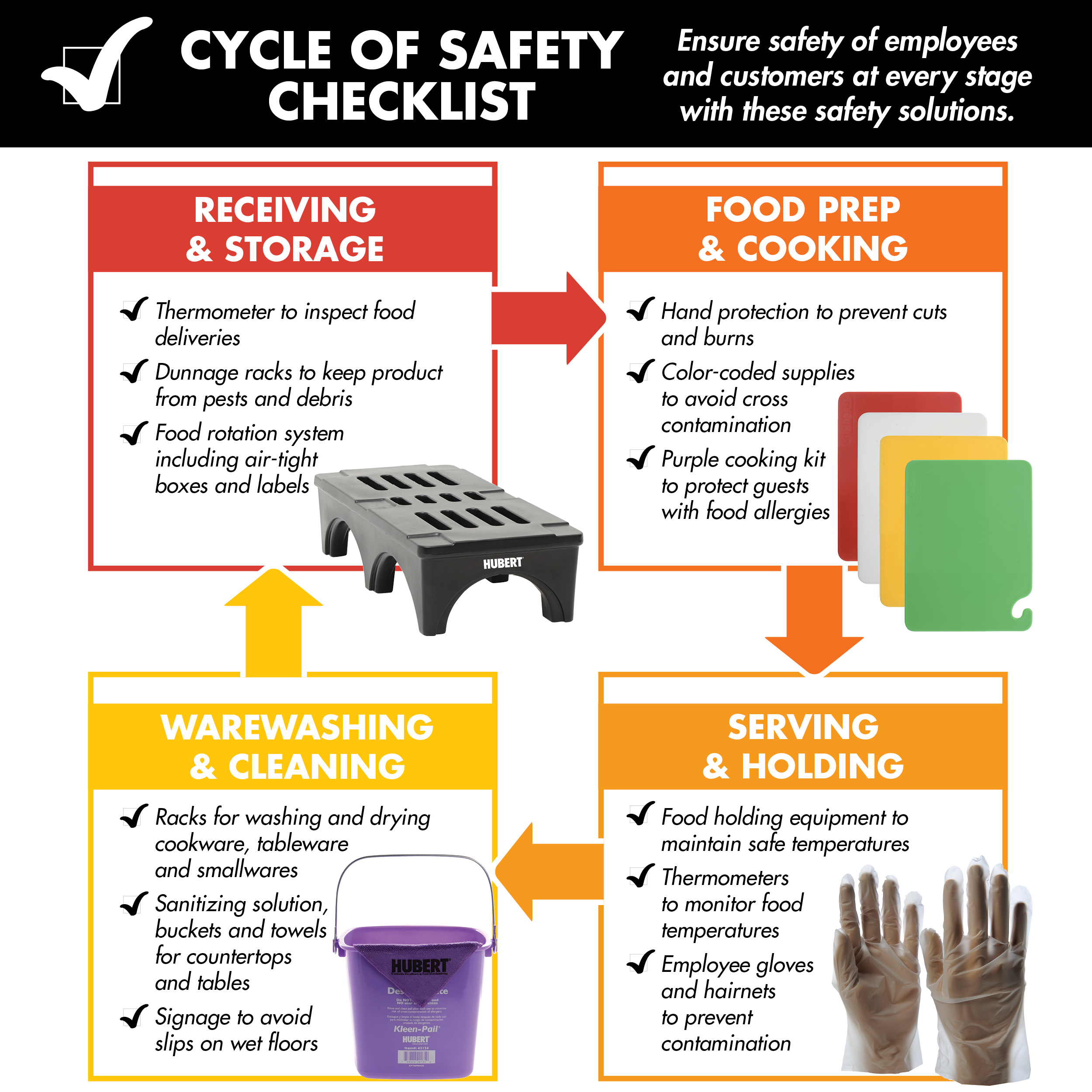
Cleaning and sanitizing kitchen tools is key to stopping cross-contamination. Dirt and germs on tools spread bacteria. This can cause foodborne illnesses. Keeping your kitchen tools clean makes food safer to eat.
Regular washing removes food particles and germs. Sanitizing kills any leftover bacteria. Both steps are important in every cooking session. Clean tools protect your health and your family’s health.
Washing Cutting Boards
Cutting boards hold tiny food bits. These bits can carry germs from raw meat or vegetables. Wash boards with hot, soapy water after use. Scrub all sides and edges well. Use a brush to reach cracks and grooves.
Plastic boards can go in the dishwasher for deep cleaning. Wooden boards need gentle washing to avoid cracks. Let boards air dry completely to stop germs from growing.
Disinfecting Utensils
Utensils touch many foods. They can carry bacteria from raw to cooked meals. Wash knives, spoons, and forks with hot water and soap. Rinse them well to remove soap traces.
Sanitize utensils by soaking them in a mild bleach solution or using a dishwasher with a sanitize option. Dry utensils fully before storing to keep them safe and clean.
Maintaining Clean Appliances
Appliances like blenders and mixers also need cleaning. Food can hide in small parts and cause germs. Take appliances apart when possible. Wash removable parts with warm, soapy water.
Wipe the main body with a damp cloth and mild cleaner. Avoid water inside electrical parts. Clean appliances regularly to keep them safe and working well.
Safe Cooking Practices
Safe cooking practices are essential to stop cross-contamination in the kitchen. These practices protect food from germs and allergens. They keep your meals safe and healthy for everyone.
Following simple steps can lower the risk of foodborne illnesses. This helps avoid mixing harmful bacteria between foods. Safe cooking also means using the right tools and handling food carefully.
Cooking To Proper Temperatures
Heat kills harmful bacteria in food. Cooking to the right temperature ensures food is safe to eat. Use a food thermometer to check the temperature inside the food. Different foods need different temperatures to be safe. For example, poultry should reach 165°F (74°C), while ground beef needs 160°F (71°C). Always follow temperature guidelines for each food type.
Avoiding Cross-contact With Allergens
Cross-contact happens when allergens touch other foods. This can cause allergic reactions. Keep allergen-free foods separate from foods with allergens. Wash hands and utensils after touching allergen foods. Label allergen-free areas or containers clearly. This helps people with allergies eat safely without worry.
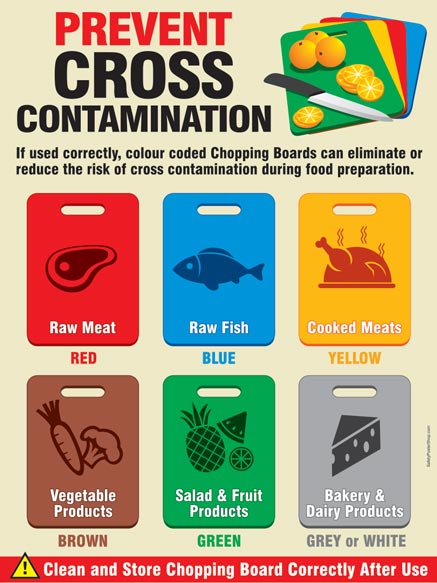
Using Separate Cutting Boards
Use different cutting boards for raw meat, vegetables, and cooked foods. This stops bacteria from spreading between foods. Color-coded boards work well to keep things organized. Clean cutting boards thoroughly after each use. Replace worn or cracked boards to avoid hiding bacteria. Keeping boards separate is a simple way to prevent contamination.
Training And Awareness
Training and awareness play a key role in preventing cross-contamination in the kitchen. Staff must understand how germs spread. They need clear guidance to handle food safely. Regular training helps keep these skills fresh and top of mind. It also builds a culture of safety in every kitchen.
Educating Kitchen Staff
Teaching kitchen staff about cross-contamination reduces food safety risks. Training should include proper hand washing and glove use. Staff must learn to separate raw and cooked foods. Clear instructions on cleaning surfaces and tools are vital. Simple, hands-on lessons work best for quick learning.
Keeping Up With Food Safety Guidelines
Food safety rules change often. Staff should stay updated with the latest standards. Regular reviews of guidelines keep everyone informed. This practice helps spot new risks early. It ensures kitchens follow safe, modern practices every day.
Frequently Asked Questions
What Is Cross-contamination In Cooking?
Cross-contamination is the spread of harmful bacteria from one food to another. It often happens when raw meat touches ready-to-eat food. This can cause food poisoning.
How Can I Avoid Cross-contamination At Home?
Use separate cutting boards and utensils for raw and cooked foods. Wash hands and surfaces often. Keep raw foods away from cooked foods.
Why Is Hand Washing Important In Preventing Contamination?
Hands can carry germs from raw food to other items. Washing hands with soap removes these germs. Clean hands help keep food safe.
Can Using Different Cutting Boards Prevent Contamination?
Yes, using separate boards for meat, veggies, and cooked food stops bacteria spread. Color-coded boards help keep them clear. This simple step protects your meals.
How Should I Clean Kitchen Tools To Prevent Contamination?
Wash knives, boards, and utensils in hot, soapy water after each use. Dry them well to avoid bacteria growth. Clean tools keep food safe to eat.
Conclusion
Preventing cross-contamination keeps food safe and healthy. Always wash hands and surfaces often. Use separate cutting boards for raw meat and vegetables. Store raw foods below cooked foods in the fridge. Clean knives and utensils between tasks. These small steps help avoid illness.
Safe cooking habits protect you and your family. Keep your kitchen clean and organized. Stay careful, stay healthy.






1 thought on “How to Prevent Cross-Contamination in Cooking: Essential Safety Tips”