Are you looking to save money on your energy bills while cooking your favorite meals? If so, understanding why induction cooktops are energy efficient can change the way you cook forever.
Imagine a cooking method that heats your food faster, wastes less energy, and keeps your kitchen cooler. Sounds too good to be true? Keep reading to discover how induction cooktops work and why they might be the smartest upgrade for your kitchen.
This simple switch could save you time, money, and even help the environment—all while making cooking easier and safer. Ready to find out more?
How Induction Cooktops Work
Induction cooktops use a unique method to heat food quickly and efficiently. They create heat directly inside the cookware, not on the cooktop surface. This process saves energy and cooks food faster than traditional methods.
Magnetic Heating Process
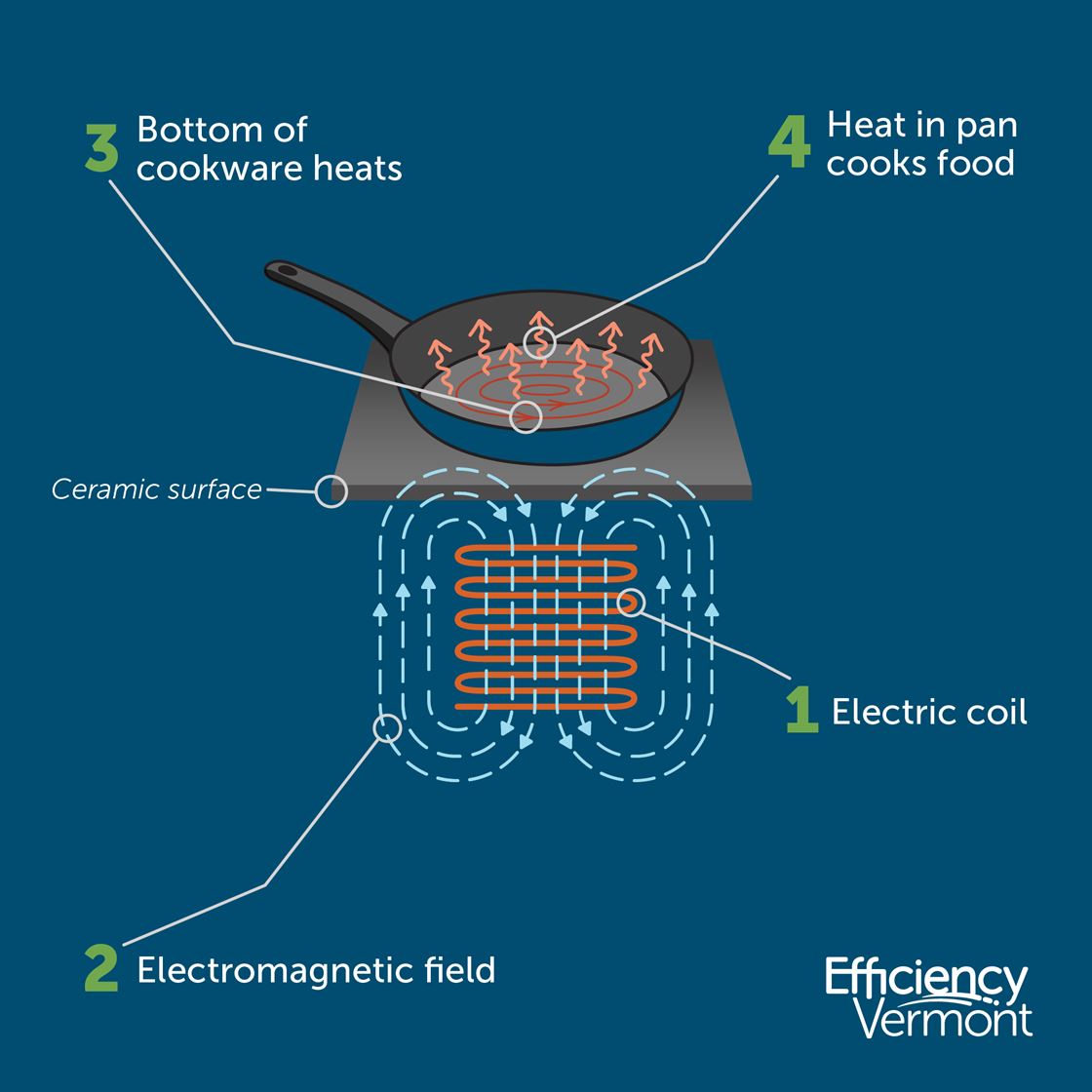
Induction cooktops have a coil of copper wire under the cooking surface. When turned on, electricity flows through this coil. It creates a magnetic field that changes rapidly. This magnetic field passes through the cookware if it is made of a magnetic material like cast iron or stainless steel.
The magnetic field causes tiny electric currents inside the cookware. These currents create heat directly in the pot or pan. This method heats only the cookware, not the cooktop itself.
Direct Heat Transfer
Heat is made inside the cookware, not outside. This means less heat is lost to the air. The cooktop stays cooler than traditional stoves. Energy is used only to heat the food, not the surrounding area.
This direct heat transfer means induction cooktops use energy more efficiently. Cooking times are shorter, and less electricity is wasted. This is why induction cooktops save energy and lower utility bills.
Energy Efficiency Compared To Gas And Electric
Induction cooktops use energy more efficiently than gas and electric stoves. They heat pots and pans directly, reducing wasted energy. This means more of the electricity you use goes into cooking food, not heating the air around it. Understanding how induction compares to traditional cooktops helps explain why it saves energy.
Heat Loss In Traditional Cooktops
Gas and electric cooktops lose a lot of heat during cooking. Gas flames heat the air around the pan, which wastes energy. Electric coils get hot but also warm the surrounding area. Much of this heat escapes into the kitchen instead of cooking the food. This loss means the stove uses more power to reach the right temperature.
Efficiency Rates Of Induction
Induction cooktops transfer heat directly to the cookware. This method cuts down energy loss to about 10%. Gas cooktops lose around 60% of energy as heat escapes. Electric cooktops lose nearly 40%. Induction uses magnetic fields to heat only the pot or pan. This precision makes it the most energy-efficient choice for cooking.
Benefits Of Faster Cooking Times
Faster cooking times bring many benefits to your kitchen. Induction cooktops heat food quickly and evenly. This speed helps save energy and time. Meals are ready sooner, which means less waiting.
Faster cooking also means less heat loss. The cooktop heats only the pan, not the air. This makes the cooking process more efficient. These benefits make induction cooktops a smart choice.
Reduced Energy Consumption
Induction cooktops use less energy than traditional stoves. They transfer heat directly to the pan. This direct heating cuts down energy waste. Faster cooking means the cooktop stays on for less time. This reduces overall electricity use.
Less energy used means lower utility bills. It also helps reduce your home’s carbon footprint. Saving energy is good for your wallet and the planet.
Time Savings
Induction cooktops heat up almost instantly. This speed cuts cooking times by up to 50%. You spend less time standing at the stove. More free time for other activities or rest.
Quick cooking is perfect for busy lifestyles. You can prepare meals faster without sacrificing quality. Time savings make everyday cooking easier and more enjoyable.
Credit: www.efficiencyvermont.com
Safety Features That Save Energy
Induction cooktops include safety features that help save energy. These features stop waste and keep the kitchen safe. They make cooking smarter and more efficient. Users get peace of mind and lower electricity bills.
Auto Shut-off
The auto shut-off feature turns the cooktop off after no use. It senses if a pot is removed or no heat is needed. This stops energy from being wasted on an empty burner. It also prevents accidents caused by forgotten burners.
Cool Surface Technology
Induction cooktops use cool surface technology to heat only the pot. The cooktop surface stays cool to touch, not wasting heat. This reduces energy loss and lowers kitchen temperature. It also means less energy is needed to cool the kitchen afterward.
Choosing The Right Cookware
Choosing the right cookware is key to getting the best from an induction cooktop. Not all pots and pans work well with induction technology. Using the correct cookware ensures faster cooking and saves energy. It also protects your cooktop from damage.
Magnetic Material Importance
Induction cooktops heat by creating a magnetic field. This field works only with magnetic materials. Cookware made from iron or stainless steel with magnetic properties is ideal. Non-magnetic materials, like aluminum or glass, do not heat up on induction surfaces. Using magnetic cookware helps the cooktop heat food directly and efficiently. This reduces wasted energy and cooking time.
Cookware Compatibility Tips
Test cookware with a simple magnet. If the magnet sticks to the bottom, the pot or pan is compatible. Look for cookware labeled as “induction ready.” Flat and smooth bottoms improve contact with the cooktop. Avoid warped or uneven pans as they reduce efficiency. Choosing the right size of cookware also matters. The base should match the cooking zone for even heating.
:max_bytes(150000):strip_icc()/__opt__aboutcom__coeus__resources__content_migration__treehugger__images__2016__07__cookingcompare_25219_image002-f299b8e4dcc6435f867dd0dbe9ed0f17-cdbcd1ff8239403184d15a3b721b9dfc.png)
Credit: www.treehugger.com
Environmental Impact Of Induction Cooking
Induction cooktops offer a cleaner way to cook. They use electricity more efficiently than traditional stoves. This efficiency leads to less waste and a smaller environmental footprint. The impact on the planet is significant and positive.
Cooking with induction means less pollution. It helps reduce the harmful gases released into the air. This change supports a healthier environment for everyone.
Lower Carbon Footprint
Induction cooktops use magnetic fields to heat pots directly. This method cuts down energy loss. Less energy waste means fewer carbon emissions. Using induction reduces the amount of fossil fuels burned. That leads to a smaller carbon footprint in daily cooking.
Reduced Energy Demand
Induction cooktops heat food faster than gas or electric stoves. Faster cooking means less electricity used overall. They only heat the pan, not the air around it. This focused energy use lowers total energy demand. Homes save energy, and the grid experiences less strain.
Cost Savings Over Time
Induction cooktops save money over time. They use electricity more efficiently than gas or traditional electric stoves. This efficiency lowers energy use, cutting down your monthly bills. The initial cost may be higher, but the savings add up. Here is how induction cooktops offer cost benefits in the long run.
Lower Utility Bills
Induction cooktops heat food faster and waste less energy. They transfer heat directly to the pot or pan. This method uses less power, which means lower electricity bills. You do not need to keep the stove on for long periods. Less energy means less cost every month.
Long-term Investment Value
Induction cooktops last many years with proper care. Their durable design reduces the need for repairs. This reliability saves money on maintenance. Over time, the energy savings and low upkeep make them a smart investment. A good induction cooktop pays for itself through constant savings.
:max_bytes(150000):strip_icc()/GettyImages-123544650-0fa09a2f05a24cca8374bf9c6adb0495.jpg)
Credit: www.treehugger.com
Frequently Asked Questions
How Do Induction Cooktops Save Energy Compared To Gas Stoves?
Induction cooktops heat food faster by directly warming the pot, reducing wasted heat and energy use.
Why Is Induction Cooking More Efficient For Home Kitchens?
It uses less energy by heating only the cookware, not the air around, making cooking quicker and cleaner.
Can Induction Cooktops Lower Electricity Bills?
Yes, they use less energy and cook faster, which can help reduce your monthly electricity costs.
Conclusion
Induction cooktops save energy by heating food quickly and directly. They waste less heat compared to traditional stoves. This means lower electricity bills and less impact on the environment. Their precise temperature control also prevents overcooking and energy loss. Many people find them easy to clean and safe to use.
Choosing an induction cooktop supports a greener lifestyle. It’s a smart choice for anyone wanting to cook efficiently. Simple, fast, and energy-wise—induction cooktops make cooking better for you and the planet.