When you’re cooking, every second counts. A reliable kitchen timer can make the difference between a perfect meal and a burnt disaster.
But with so many options out there, how do you know which one is right for you? You want a timer that fits your cooking style, is easy to use, and won’t let you down when it matters most. You’ll discover exactly what to look for in a kitchen timer to make your cooking smoother and more enjoyable.
Keep reading, and you’ll never miss a beat in the kitchen again.
Credit: kkinjection.com
Types Of Kitchen Timers
Kitchen timers come in different types to suit various cooking needs. Each type offers unique features and ease of use. Understanding these types helps you pick the best timer for your kitchen.
Mechanical Timers
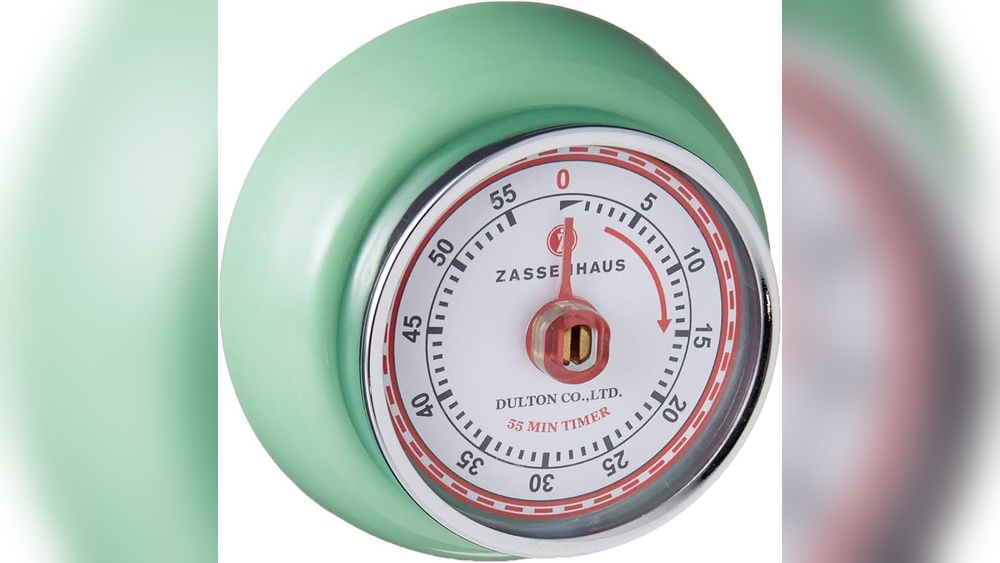
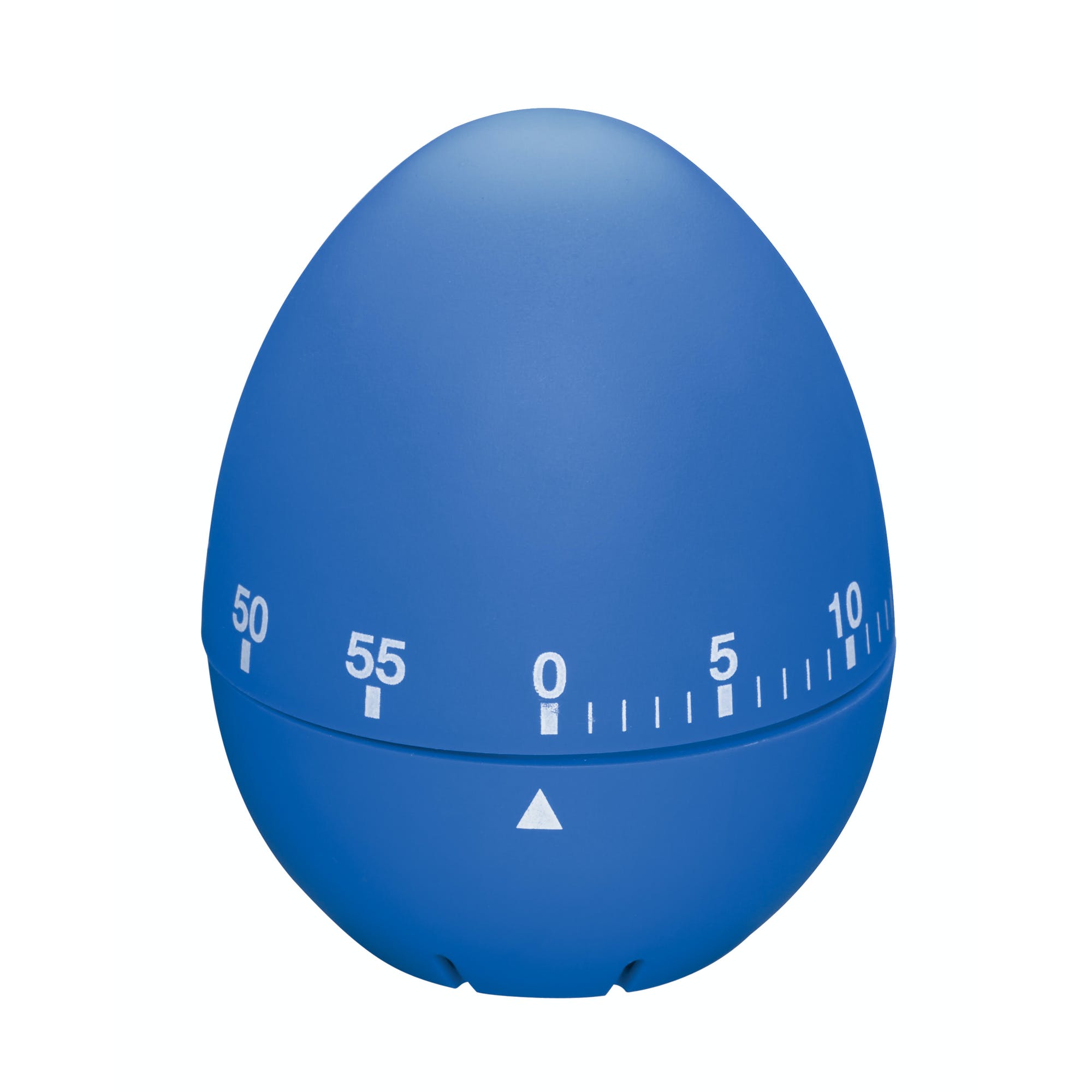
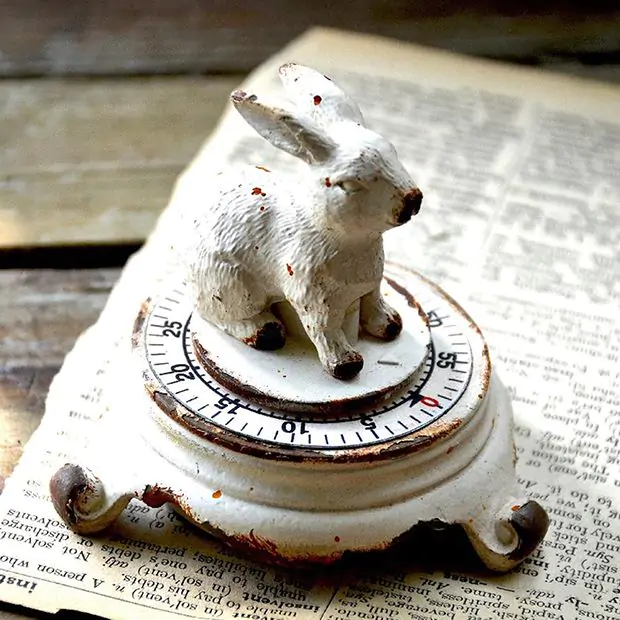
Mechanical timers use a spring to count down time. You turn a dial to set the minutes. They make a ticking sound and ring when time ends. These timers need no batteries. They are simple and reliable for basic cooking tasks.
Digital Timers
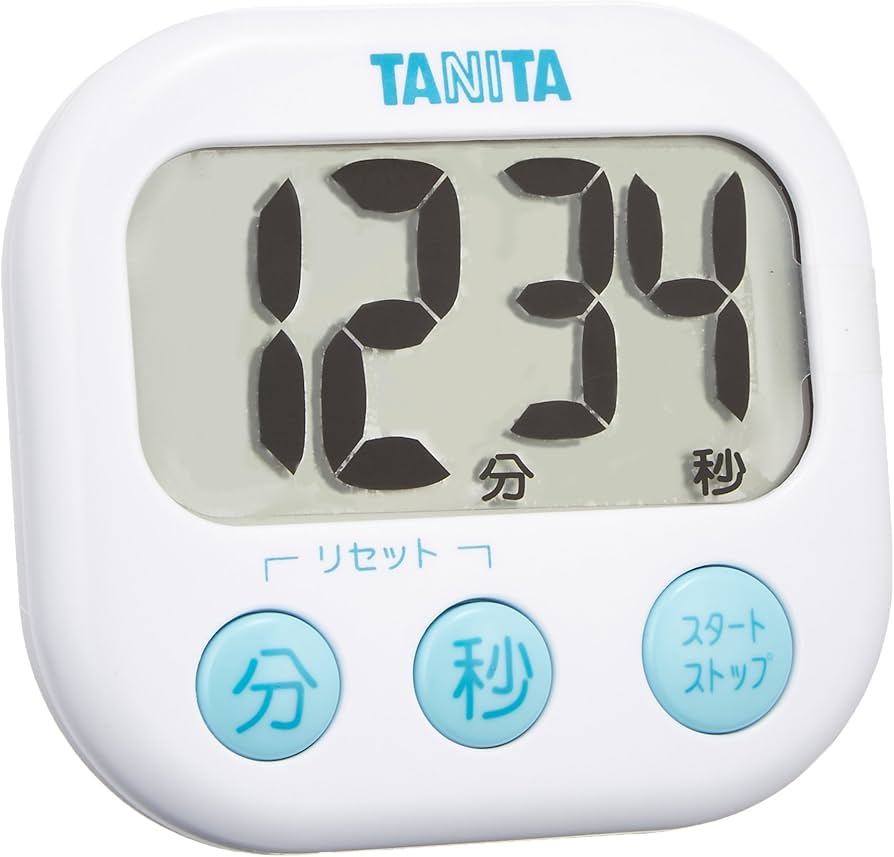
Digital timers show time on a small screen. You press buttons to set the countdown. Many have extra features like multiple timers or memory. Digital timers are accurate and easy to read. They often include loud alarms to catch your attention.
Smart Timers
Smart timers connect to your phone or smart home devices. You can control them using an app or voice commands. Some offer recipes and step-by-step cooking guides. Smart timers help with multitasking and precise cooking. They fit well in modern kitchens.
Credit: www.amazon.com
Key Features To Consider
Choosing the right kitchen timer can make cooking easier and more enjoyable. Focus on features that improve convenience and accuracy. The right timer fits your cooking style and kitchen setup perfectly.
Ease Of Use
A kitchen timer should be simple to operate. Big buttons and clear displays help avoid mistakes. Look for a model that sets quickly and resets easily. The timer must be easy to read from a distance. Avoid complicated menus or tiny controls.
Time Range And Accuracy
Check the timer’s time range before buying. Some timers count down only a few minutes. Others can handle hours, useful for slow cooking. Accuracy matters a lot. Even small errors can burn food or spoil recipes. Choose a timer that keeps time precisely and consistently.
Alarm Sound Options
The alarm must be loud enough to hear in a busy kitchen. Some timers offer different sound choices or adjustable volume. Select a sound that stands out but is not annoying. A clear, distinct alarm reduces the risk of missing the alert.
Additional Functionalities
Choosing a kitchen timer with extra features can improve your cooking experience. These features save time and help you manage multiple tasks easily. A simple timer is useful, but additional functions make it more versatile and practical.
Multiple Timers
Multiple timers let you track different dishes at once. This feature is helpful when cooking complex meals. You can set one timer for baking and another for boiling. It keeps your kitchen organized and reduces the chance of burning food.
Memory And Repeat Functions
Memory functions store your most used time settings. It saves you from resetting the timer every time. Repeat functions allow the timer to restart automatically. This is perfect for tasks that need the same timing repeatedly.
Magnetic And Mounting Options
Magnetic backs let you attach the timer to your fridge or oven. Mounting options include hooks or stands for easy placement. These features keep the timer within sight and reach. It prevents losing or misplacing the timer during cooking.
Credit: www.antiquefarmhouse.com
Design And Durability
The design and durability of a kitchen timer play a vital role in its daily use. A well-designed timer fits easily into your kitchen setup. It should last long despite frequent handling and occasional drops. Strong materials and smart features ensure the timer stays reliable over time. Here are key points about design and durability to consider.
Size And Portability
A compact kitchen timer saves space and moves around easily. Small size helps you carry it from kitchen to dining room. Lightweight timers are simple to hold and operate. Choose a timer that fits your kitchen layout and storage spots.
Material Quality
Durable materials resist wear and tear. Plastic timers should feel sturdy, not cheap. Metal parts add strength and a premium look. A timer with solid buttons lasts longer and feels better to press. Quality materials keep the timer working without breaking.
Water Resistance
Kitchen timers often face splashes and spills. Water-resistant designs protect the timer’s inside parts. Timers with sealed buttons or covers avoid damage from moisture. This feature makes cleaning the timer easier and safer. Water resistance adds to the timer’s lifespan.
Power Sources
Power sources play a big role in choosing a kitchen timer. The right power source ensures the timer works well and lasts long. It affects how often you need to replace or recharge the timer. It also influences the timer’s size and portability. Understanding the types of power sources helps you pick the best timer for your kitchen.
Battery Life
Battery life tells you how long the timer runs before needing new batteries. Timers with long battery life save time and money. Look for models that use standard batteries, like AA or AAA, for easy replacement. Some timers last months on one set of batteries. This is good for busy kitchens where changing batteries often is a hassle.
Rechargeable Options
Rechargeable timers use built-in batteries that you can charge with a cable. These timers do not need constant battery replacement. They are eco-friendly and cost less over time. Charging takes a few hours and the timer can work for days. Rechargeable timers are great if you use the timer a lot every day.
Energy Efficiency
Energy-efficient timers use less power and save battery life. Look for timers with auto-off features that turn off after use. Low power consumption means fewer battery changes or charges. Energy-efficient timers are better for the environment and your budget. They often have small screens and simple functions to save energy.
Price And Warranty
Price and warranty are key factors when choosing a kitchen timer. A good timer fits your budget without sacrificing quality. A solid warranty offers peace of mind and protects your purchase. Both aspects help you find a timer that lasts and performs well.
Budget-friendly Picks
Affordable kitchen timers can be very reliable. Many offer basic features like countdown and alarm sounds. Look for timers made with durable materials. Simple designs often mean fewer problems over time. Some budget timers include magnetic backs or stands for convenience.
Premium Models
High-end timers have extra features like multiple timers or digital displays. They use stronger materials and advanced technology. Some offer silent vibrations or loud alarms. Premium models often have sleek, modern designs. These timers suit those who cook often or need precise timing.
Warranty And Customer Support
A good warranty shows the brand trusts its product. Check how long the warranty lasts and what it covers. Some brands offer replacements or repairs free of charge. Customer support should be easy to contact and helpful. Reliable support makes handling issues less stressful.
Frequently Asked Questions
What Features Make A Kitchen Timer Easy To Use?
Look for large buttons, clear display, and simple controls for quick, hassle-free operation.
How Important Is Timer Accuracy For Cooking?
Accurate timers prevent overcooking or undercooking, ensuring your meals turn out just right.
Should A Kitchen Timer Have A Loud Alarm Sound?
A loud alarm helps you hear the timer from different rooms in your home.
Can A Digital Timer Be Better Than A Mechanical One?
Digital timers often offer more precise timing and extra features like countdown and memory.
Conclusion
Choosing the right kitchen timer makes cooking easier and more fun. Focus on features like loud alarms, clear displays, and easy controls. A good timer helps you cook food perfectly every time. It saves you from overcooking or burning your meals.
Pick one that fits your kitchen style and needs. Simple, reliable, and easy to use—that’s what matters most. Keep these points in mind, and your cooking will improve. A small tool can make a big difference in your kitchen.