Are you tired of settling for unhealthy snacks or expensive smoothies when you’re on the go? Imagine having the power to blend fresh fruits and veggies anytime, anywhere—whether you’re hiking, at the office, or on a road trip.
Portable blenders can make that a reality, but only if you know how to use them right. You’ll discover simple travel tips that will help you get the most out of your portable blender. Keep reading to unlock easy ways to stay refreshed, energized, and healthy no matter where your adventures take you.
Choosing The Right Portable Blender
Choosing the right portable blender makes a big difference in your travel experience. A good blender helps you enjoy fresh smoothies anywhere. It should fit your needs for convenience and performance. Consider key factors before buying to get the best option.
Battery Life And Charging Options
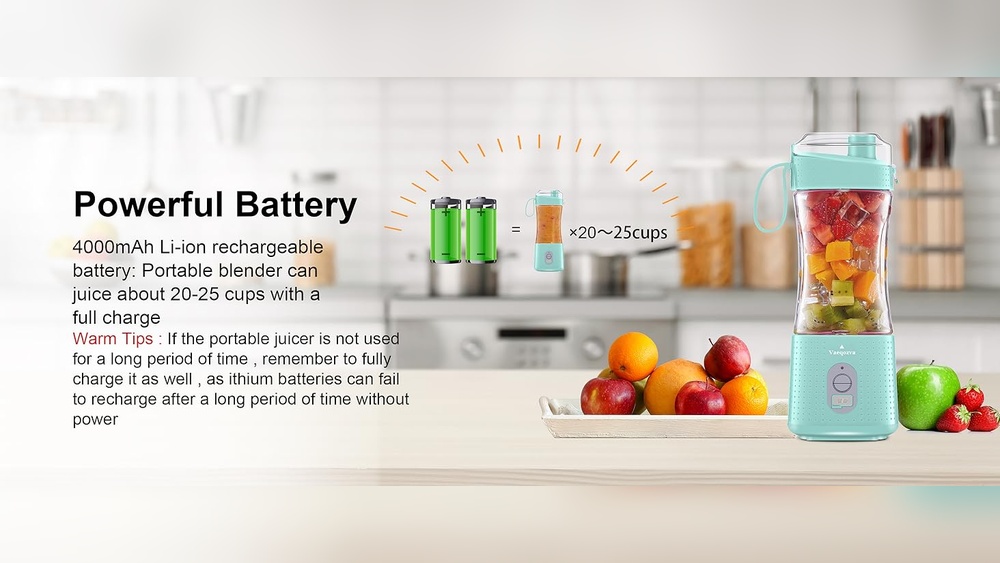
Battery life is crucial for portable blenders. Long battery life means more blends between charges. Look for blenders with at least 8-10 blends per charge. Charging options matter too. USB charging is common and easy to use. Some models support fast charging for quick power-ups. Choose one that matches your travel style.
Size And Weight Considerations
Size and weight affect how easy the blender is to carry. A compact, lightweight blender fits in bags and backpacks easily. Heavy blenders add unwanted bulk. Choose a size that balances capacity and portability. Small blenders work well for single servings. Larger ones hold more but weigh more.
Blade Types And Power
Blades cut ingredients smoothly. Stainless steel blades are sharp and last long. Some blenders have four blades for better blending. Motor power matters too. Higher power means faster blending and fewer chunks. A motor of 100 watts or more works well for most fruits and veggies. Check blade design and power for best results.
Material And Durability
Durable materials keep your blender safe on the road. Look for BPA-free plastic or glass containers. Glass resists stains and odors but can break easily. Plastic is lighter and tougher but may scratch. The blender body should be sturdy and well-built. Choose materials that fit your travel needs and lifestyle.

Credit: blendiblender.com
Packing And Carrying Tips
Packing a portable blender for travel needs some care. Proper packing keeps it safe and easy to use on the go. Knowing what to carry and how to store it helps avoid damage. It also makes your travel lighter and more organized.
Safe Storage For Travel
Choose a sturdy case or box for your blender. A hard case protects the blades and motor from bumps. Wrap the blender in a soft cloth if you have no case. Keep the blades covered with the safety cap during travel. Store it in an upright position to avoid leaks and spills.
Packing Accessories And Extra Parts
Bring all small parts like lids, cups, and charging cables. Use small pouches or zip-lock bags to keep parts together. Label the bags for easy finding. Carry a spare blade if possible to replace any damaged part. Keep everything in one main bag to avoid losing pieces.
Cleaning Tools To Bring Along
Pack a small brush to clean blades and cups quickly. Carry a travel-sized sponge or cloth for wiping the blender. Bring a small bottle of mild soap for easy washing. Clean your blender soon after use to stop smells and stains. Dry parts completely before packing to prevent mold.
Preparing Ingredients On The Go
Preparing ingredients on the go makes using a portable blender easier and faster. It saves time and keeps your recipes fresh. Planning ahead helps you enjoy healthy drinks anywhere. Small steps in preparation improve your blending experience.
Pre-cutting And Portioning
Cut fruits and vegetables into small pieces before travel. Small pieces blend better and faster in portable blenders. Portion ingredients into small containers or bags. This keeps everything organized and easy to use. Pre-cutting saves time and avoids mess on the road.
Using Fresh Vs Frozen Ingredients
Fresh ingredients offer natural flavor and nutrients. They blend smoothly but may spoil quickly. Frozen ingredients last longer and keep cool your drink. They make your smoothie thicker and refreshing. Choose based on your trip length and storage options.
Choosing Travel-friendly Recipes
Pick recipes with few ingredients and simple steps. Avoid recipes needing hard-to-find or bulky items. Smoothies with fruits, yogurt, and greens work well. Choose recipes that need little water or ice. This helps you blend easily anywhere you go.

Credit: www.walmart.com
Using Portable Blenders While Traveling
Portable blenders are a great travel companion. They let you make fresh smoothies or shakes anywhere. This convenience helps keep your diet healthy on the road. Using them properly makes your trip easier and more enjoyable.
Power Source Alternatives
Most portable blenders use rechargeable batteries. You can charge them via USB ports on power banks or laptops. Solar chargers work well outdoors without electricity. Some models support car chargers for road trips. Always carry a backup power source to avoid running out of juice.
Blending In Different Environments
Choose a flat surface to blend safely. Avoid windy or dusty places to keep the blender clean. Use fresh ingredients stored in cool containers. Blend quickly to save battery and keep drinks fresh. Clean the blender immediately after use to prevent odors.
Safety Precautions
Check the blender’s lid is secure before blending. Do not overfill to avoid spills and damage. Keep the blender away from water to prevent electric shock. Use only recommended ingredients to avoid clogging. Clean blades carefully to avoid cuts.
Cleaning And Maintenance Tips
Keeping your portable blender clean is important for health and performance. Proper care makes the blender last longer. It also keeps your drinks tasting fresh and safe.
Cleaning a portable blender can be quick or thorough. Both types matter, especially during travel. Small habits help stop bad smells and leftover residue.
Quick Cleaning Methods
After each use, rinse the blender cup with warm water. Add a drop of dish soap and fill halfway with water. Turn on the blender for 20 seconds. Rinse well with clean water. Wipe the base with a damp cloth. Avoid soaking the motor part.
Deep Cleaning While Away
For a deeper clean, disassemble all removable parts. Wash them with warm, soapy water using a soft brush. Rinse thoroughly and air dry. Use a cotton swab to clean small crevices. Avoid harsh chemicals that can damage the blender.
Preventing Odors And Residue
Remove food bits immediately after use. Use baking soda mixed with water to scrub the cup once a week. Let the lid and cup dry completely before closing. Store the blender open to let air circulate. This stops mold and bad smells from forming.
Troubleshooting Common Issues
Portable blenders are handy for travel, but small problems can arise. Knowing how to fix common issues helps keep your blender ready. Troubleshooting saves time and avoids frustration. Here are simple ways to handle typical troubles with portable blenders.
Dealing With Weak Blending Power
Blender power may drop if the battery is low. Charge the blender fully before use. Avoid overloading the jar with thick ingredients. Cut fruits and vegetables into small pieces. Clean the blades regularly to remove stuck food. Check if the motor runs smoothly without strange sounds.
Fixing Charging Problems
Make sure the charging cable fits well in the port. Dust or dirt in the port can block charging. Use a soft brush or cloth to clean the port gently. Try another compatible charger to rule out cable issues. Avoid charging near heat or moisture. Let the blender rest if it gets too hot during use.
Handling Leaks And Spills
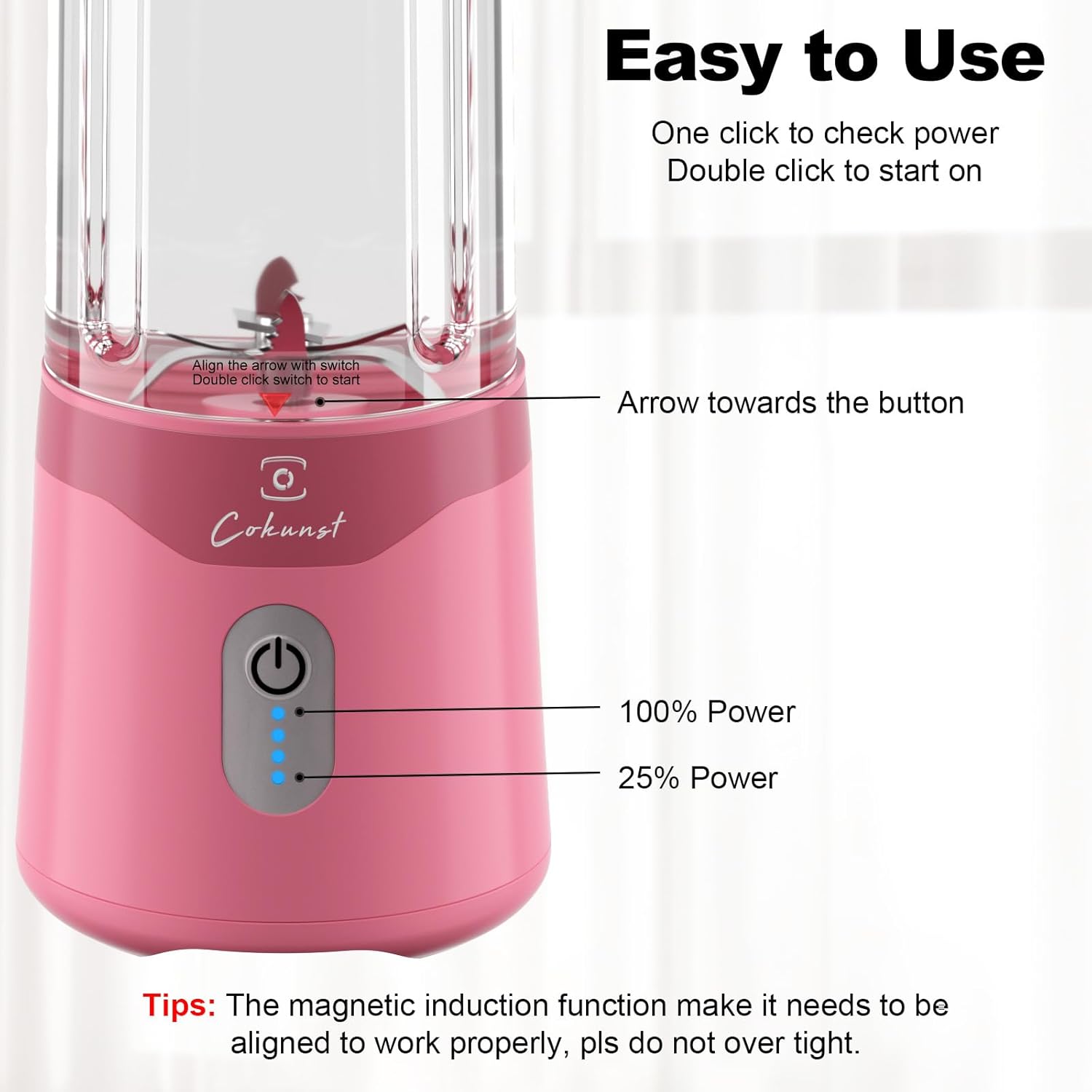
Leaks often come from loose parts. Tighten the jar and lid firmly before blending. Check the rubber seal for cracks or damage. Replace the seal if it looks worn out. Clean the threads of the jar and lid to ensure a tight fit. Always blend on a flat surface to avoid spills.
Credit: emerstone.com
Frequently Asked Questions
What Are The Best Portable Blenders For Travel?
Look for blenders that are lightweight, battery-powered, and easy to clean. Compact size and strong blades matter too. Check user reviews for travel-friendly features.
How To Keep A Portable Blender Charged On Trips?
Use a power bank or carry extra USB cables for charging. Many blenders charge via USB, making it easy to power up anywhere. Charge fully before traveling.
Can Portable Blenders Crush Ice And Frozen Fruits?
Many portable blenders can crush soft ice and frozen fruits. Check the motor power and blade quality. Avoid very hard ice to protect the blender.
Conclusion
Portable blenders make travel healthier and more fun. Carry fresh fruits and blend anytime, anywhere. Choose a blender with good battery life and easy cleaning. Always pack it safely to avoid spills or damage. Enjoy your favorite drinks on the go without hassle.
Small steps like these improve your travel experience. Stay refreshed and energized on every trip with ease. Portable blenders bring convenience to your travel routine. Simple, handy, and useful—perfect for any traveler.