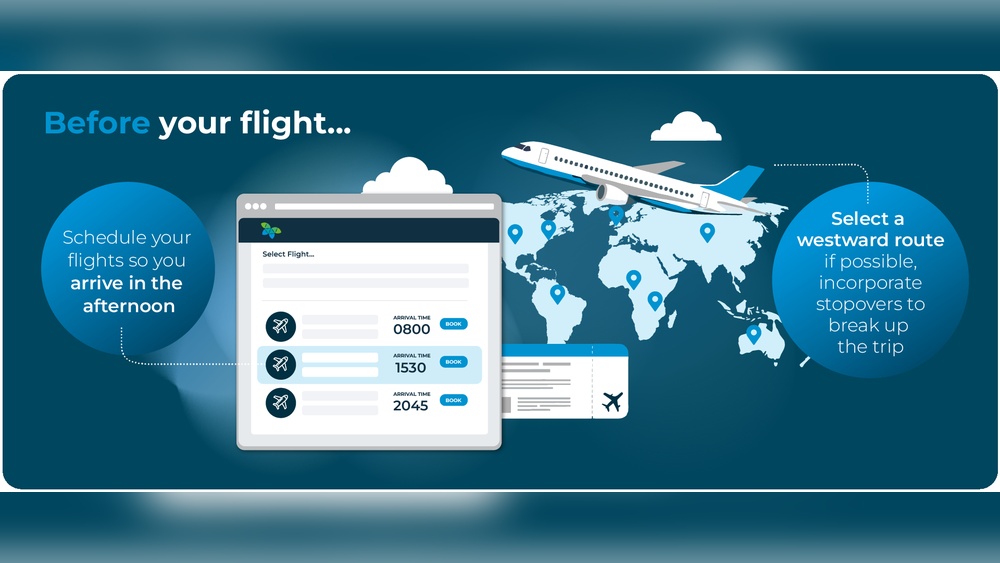
Jet lag can turn your exciting trip into a tiring struggle. But what if you could arrive feeling refreshed and ready to explore?
With the right travel tech tips, you can beat jet lag faster than ever. Imagine stepping off the plane with your energy intact, no grogginess holding you back. You’ll discover simple, effective tools and tricks designed just for you. Keep reading to unlock the secrets that will change the way you travel forever.
Jet Lag Basics
Jet lag happens when your body’s internal clock is out of sync with a new time zone. It disrupts your sleep and daily routine. Understanding jet lag basics helps you manage its effects better.
Traveling across time zones causes your body to struggle adjusting. Your brain, hormones, and sleep patterns need time to catch up.
How Jet Lag Affects The Body
Jet lag confuses your body’s internal clock, called the circadian rhythm. This clock controls sleep, hunger, and energy levels. Sudden time changes cause it to misalign.
Your brain sends mixed signals about when to sleep or be awake. Hormone levels, like melatonin, shift unpredictably. This leads to tiredness and difficulty concentrating.
Common Symptoms To Watch For
Symptoms of jet lag differ but often include fatigue and insomnia. You may feel sleepy during the day and restless at night.
Other signs are headaches, irritability, and trouble focusing. Digestive issues like upset stomach or loss of appetite can also occur.
Recognizing these symptoms early helps you take steps to reduce jet lag faster.
Tech Tools For Better Sleep
Travel can disrupt your sleep. Jet lag makes it hard to rest well. Technology offers tools to improve sleep quality. These tools help you track and enhance your sleep patterns. Using technology can make your adjustment to new time zones easier.
Sleep Tracking Devices
Sleep trackers monitor your sleep cycles and quality. Wearable devices like smartwatches record movement and heart rate. This data shows how long and deep your sleep is. Some devices give tips to improve your rest. Use these insights to adjust your bedtime and habits. Tracking your sleep helps reduce jet lag symptoms faster.
Apps For Sleep Improvement
Many apps guide users to better sleep. They offer relaxing sounds and breathing exercises. Some apps create sleep schedules based on your travel plans. Others track sleep and provide personalized advice. Use these apps to calm your mind before bed. They help create a restful environment anywhere you stay.
Light Therapy Gadgets
Light therapy gadgets help reduce jet lag by balancing your body’s internal clock. These devices use light to signal your brain when to feel awake or sleepy. Exposure to the right light at the right time eases the adjustment to new time zones. Using light therapy can improve mood, energy, and sleep quality during travel.
Portable Light Boxes
Portable light boxes emit bright, natural light that mimics sunlight. They are small and easy to carry in your travel bag. Using a light box for 20 to 30 minutes can reset your circadian rhythm. This helps your body adapt faster to the local time. Many models come with adjustable brightness and timers. You can use them in the morning to wake up or in the evening to stay alert.
Smart Light Bulbs For Adjusting Circadian Rhythms
Smart light bulbs change color and brightness throughout the day. They match natural sunlight patterns to support your body clock. You can control them with a smartphone app. Set schedules based on your new time zone to reduce jet lag effects. These bulbs create a natural wake-up light in the morning. In the evening, they dim to prepare your body for sleep.
Wearable Tech For Recovery
Wearable tech helps travelers recover faster from jet lag. These devices track your body’s signals and guide you to adjust your routine. They offer real-time data to improve sleep, activity, and rest.
Wearing the right tech supports better recovery. It keeps you informed about your health and helps you adapt to new time zones quickly.
Fitness Trackers And Heart Rate Monitoring
Fitness trackers monitor your heart rate and activity levels throughout the day. They detect changes caused by travel stress and fatigue. This data helps you understand when to rest or stay active.
Heart rate monitoring shows how your body reacts to jet lag. You can see if you are relaxed or stressed. This information guides your recovery choices. For example, a lower heart rate often means better rest.
Smartwatches With Jet Lag Features
Smartwatches offer features made for travelers. They include reminders to adjust sleep times or drink water. Some models suggest the best times for light exposure. This helps reset your internal clock faster.
These watches often track sleep quality and patterns. They give tips to improve your rest based on your data. Smart alarms wake you gently at the ideal time. This reduces grogginess after waking.
Travel Apps To Adjust Schedules
Travel apps can help reduce jet lag by adjusting your schedule before and during travel. These tools guide you to sleep and eat according to your destination’s time. They make it easier to adapt faster and feel better after long flights.
Using apps designed for jet lag can improve your trip experience. They offer personalized plans based on your flight details and sleep habits. With these apps, managing time zones becomes simple and less tiring.
Jet Lag Planning Apps
Jet lag planning apps create schedules to help your body adjust. They suggest the best times to sleep, wake up, and eat. Apps like Timeshifter and Jet Lag Rooster use science to reduce fatigue.
These apps send reminders for light exposure and naps. Following their advice can speed up your recovery. You feel more alert and ready to explore your destination.
Flight And Time Zone Management Tools
Flight and time zone tools track your travel details and local time. They show changes in time zones clearly. Apps like FlightAware and World Time Buddy keep you updated.
These tools help plan your activities around new time zones. They reduce confusion and stress during travel. Knowing the exact time aids in better sleep and meal timing.
Hydration And Nutrition Tech
Traveling often disrupts your body’s rhythm. Staying hydrated and eating right helps your body adjust faster. Technology now supports these healthy habits. Smart devices track your water intake and food choices. These tools guide you to reduce jet lag effects.
Smart Water Bottles
Smart water bottles remind you to drink water regularly. They track how much water you drink throughout the day. Some bottles sync with your phone for easy monitoring. This helps you avoid dehydration during flights. Proper hydration keeps energy levels steady and reduces headaches.
Nutrition Tracking Apps
Nutrition apps help you plan meals before and after flights. They track calories, nutrients, and meal times. These apps suggest foods that support better sleep and energy. Eating balanced meals helps your body reset its clock. Tracking nutrition also prevents overeating and sluggishness.
In-flight Tech Tips
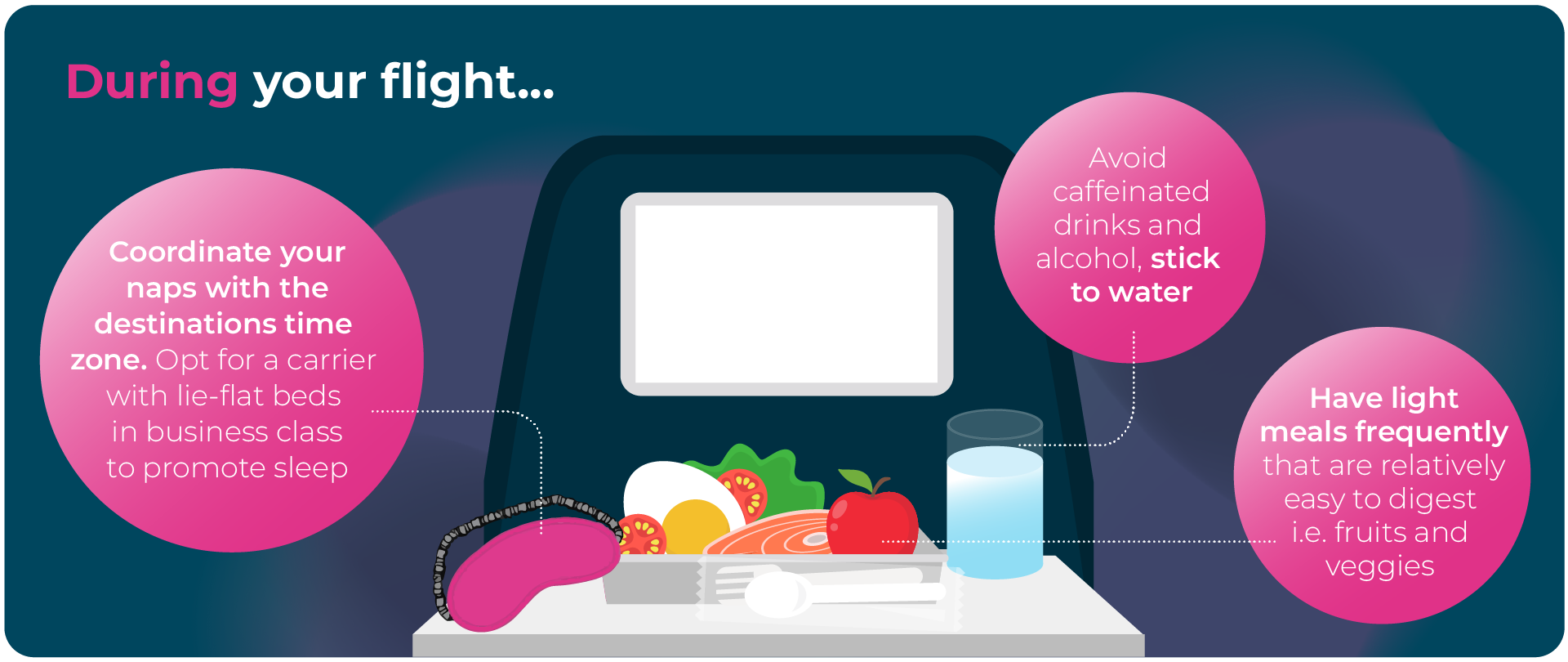
Flying long hours can make jet lag worse. Using technology smartly during flights helps the body adjust faster. Simple tech tools reduce noise and stress. They create a calm space to rest or relax.
Noise-canceling Headphones
Noise-canceling headphones block loud engine sounds. They help you sleep or relax on the plane. These headphones reduce background noise clearly and quickly. Using them lowers stress and improves rest quality. Choose comfortable headphones for long trips to avoid discomfort.
In-flight Entertainment For Relaxation
In-flight entertainment offers movies, music, and games. Pick calming shows or soft music to soothe your mind. Watching or listening to gentle content helps distract from travel stress. Avoid exciting or scary shows that raise alertness. Use entertainment to help your body feel calmer and ready to rest.
Credit: us.travelctm.com
Post-arrival Strategies
Adjusting to a new time zone can be tough after a long flight. Post-arrival strategies help your body clock reset faster. Using technology smartly can ease jet lag and boost energy. Focus on syncing with local time and calming your mind.
Using Tech To Sync With Local Time
Apps can show local time and suggest the best sleep schedule. They help you plan naps and bedtime based on your destination. Some apps track your light exposure to adjust your body clock. Following these tips helps you adapt quicker to the new zone.
Guided Meditation And Relaxation Apps
Relaxation apps guide deep breathing and meditation. They reduce stress and help you fall asleep faster. Using these apps after travel calms your mind and body. Regular practice supports better sleep and less jet lag.
Frequently Asked Questions
How Can Travel Apps Help Reduce Jet Lag?
Travel apps can track your sleep and suggest the best times to rest. They also offer tips to adjust your body clock faster. Using these tools makes managing jet lag easier.
What Tech Gadgets Improve Sleep During Flights?
Noise-canceling headphones and eye masks block distractions and light. Portable white noise machines create a calm environment. These gadgets help you sleep better on planes.
Does Adjusting Screen Brightness Affect Jet Lag?
Lowering screen brightness before sleep reduces blue light exposure. Blue light can disrupt your natural sleep cycle. Dim screens help your body prepare for rest.
Conclusion
Travel tech tools help your body adjust faster to new time zones. Using apps to track sleep and light exposure supports better rest. Wearable devices can remind you to hydrate and move. Small changes make big differences in beating jet lag.
Try these tips on your next trip for smoother travel days. Feel more awake and enjoy your journey fully. Your body will thank you for the care you give. Safe and easy travel starts with smart tech choices.