Traveling abroad means staying connected is more important than ever. Your phone, tablet, or camera can run out of power at the worst moments—when you need directions, want to share a special memory, or contact someone.
That’s where a portable charger becomes your best travel companion. But using one abroad isn’t always as simple as just plugging it in. You need to know some smart tips to make sure your portable charger works smoothly and safely wherever you go.
Keep reading, and you’ll discover easy ways to keep your devices powered up all trip long without any hassle.
Choosing The Right Portable Charger
Choosing the right portable charger is very important for travel abroad. It ensures your devices stay powered throughout the day. Different chargers work for different needs. Picking the best one saves space and avoids frustration. Consider a few key points before buying.
Capacity And Size Considerations
Capacity shows how much power the charger holds. Higher capacity means more charges for your devices. But bigger capacity often means a heavier charger. Choose one that fits your device needs and travel style. Small chargers are easy to carry but may run out quickly. Large chargers last longer but take more space.
Compatibility With Devices
Check if the charger works with your phone, tablet, or camera. Some chargers support only specific brands or devices. Look for chargers with multiple USB ports for several devices. Fast charging support is useful for quick power boosts. Make sure the charger matches your device’s charging speed.
Durability And Build Quality
Travel can be rough on gadgets. A charger with strong build lasts longer. Choose chargers with sturdy materials and good protection from drops. Some come with water-resistant or shockproof features. Avoid fragile chargers that can break easily. A durable charger is a smart travel companion.
Credit: www.ebay.com
Packing And Carrying Tips
Packing and carrying your portable charger correctly is key for smooth travel abroad. It protects your device and keeps it ready to use. Planning how to store and carry your charger helps avoid damage and saves space in your bag.
Safe Storage Practices
Store your portable charger in a dry place away from extreme heat. Avoid leaving it in direct sunlight or inside a hot car. Use a padded pouch or case to protect it from bumps and drops. Keep it separate from metal objects to prevent short circuits. Always switch off the charger when not in use to save battery life.
Weight And Space Management
Choose a compact charger to save space. Lightweight chargers reduce the load in your bag. Arrange your charger with cables and adapters to keep everything organized. Pack only what you need for your trip length. Efficient packing leaves room for other essentials.
Travel-friendly Charger Cases
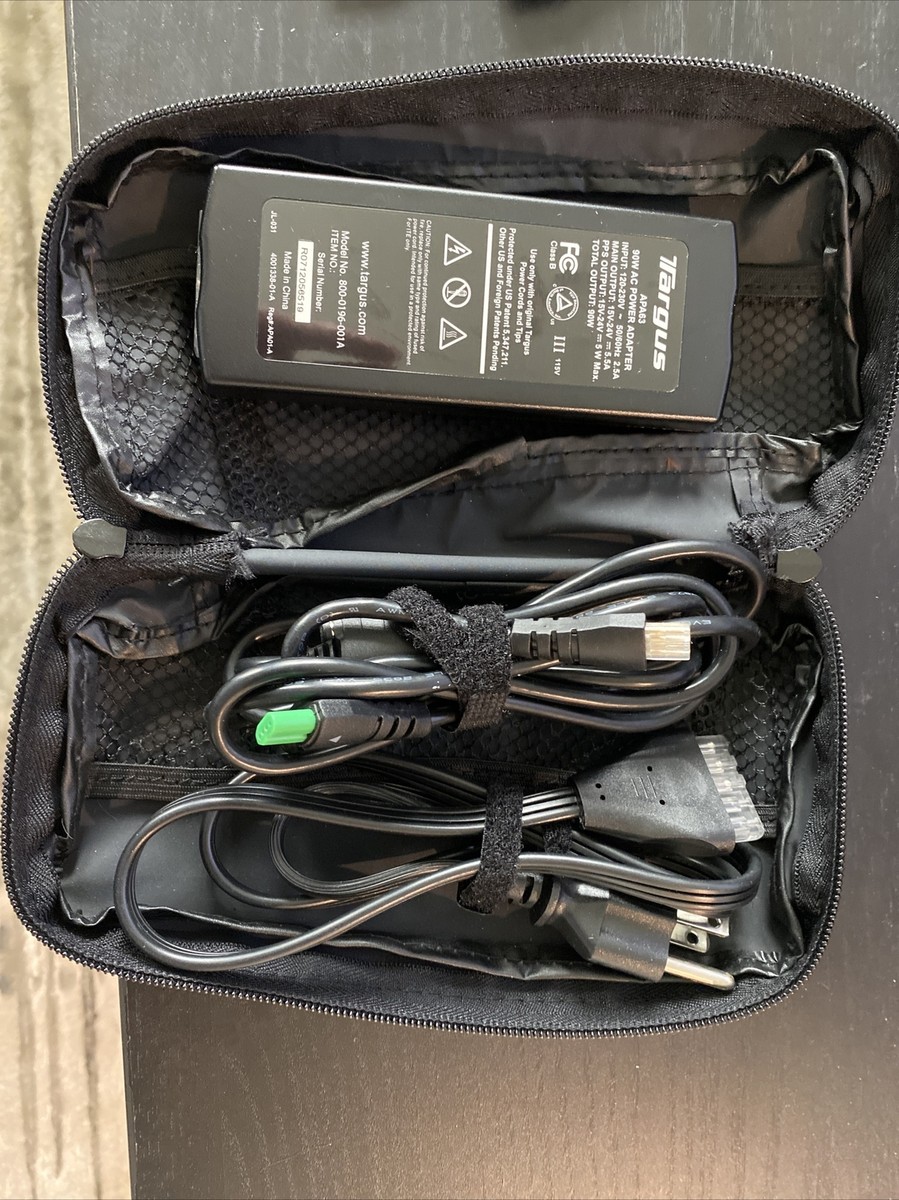
Use a travel case designed for electronic accessories. These cases keep your charger and cables in one place. Look for cases with compartments to prevent tangling. A sturdy case also shields your charger from shocks. Easy access to your charger saves time during travel.
Charging Strategies While Traveling
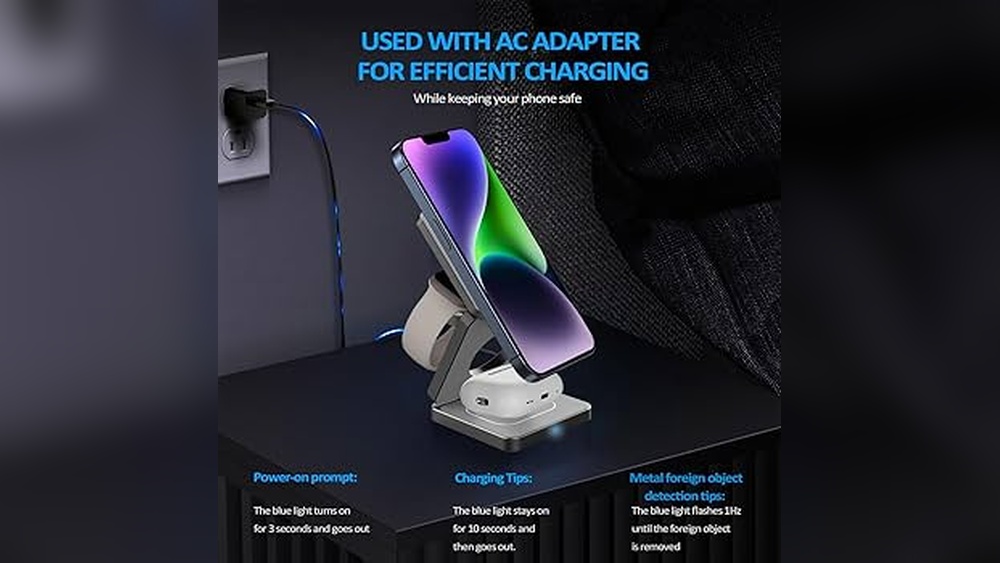
Charging devices while traveling can be tricky. Different countries have different power outlets and voltage. Portable chargers help keep your devices powered without searching for plugs. Using smart charging strategies saves time and battery life. It also helps avoid damage to your devices and charger.
Optimal Charging Times
Charge your portable charger during low-use hours. Early morning or late at night works well. This avoids peak electricity times and helps your charger charge faster. Avoid charging when your device battery is full. Keeping a device plugged in too long can reduce battery health.
Using Power Banks On The Go
Carry your power bank in your bag or pocket. Use it to charge devices during travel breaks or transit. Avoid using it while walking to prevent accidents. Charge your phone or tablet only when needed. This saves power and keeps your devices ready for important moments.
Avoiding Overcharging
Unplug your charger once devices reach 100%. Overcharging can cause overheating and reduce battery life. Use chargers with auto shut-off features if possible. Do not leave your power bank charging overnight. Monitor charging times to protect your devices and charger.
Dealing With Different Power Outlets
Traveling abroad means dealing with many types of power outlets. Each country uses different plugs and sockets. This can make charging your devices tricky. Portable chargers help, but understanding local power options is key. Prepare ahead to keep your devices powered and avoid damage.
Adapters And Converters
Adapters allow plugs to fit different sockets. They do not change electricity type. Converters change voltage to match your device needs. Many portable chargers work with 100-240V. Check your charger’s label before use. Carry the correct adapter for your destination. Avoid forcing plugs into sockets to prevent damage.
Voltage And Frequency Awareness
Voltage varies between countries, usually 110V or 220V. Frequency differs, commonly 50Hz or 60Hz. Using the wrong voltage can harm your charger. Portable chargers often support multiple voltages. Verify your device’s compatibility before plugging in. If unsure, use a converter to protect your charger.
Local Charging Customs
Some countries use shared charging stations. Others prefer personal adapters only. Public outlets may have time limits or fees. Be respectful of local rules and customs. Carry your charger and adapter to avoid waiting. Stay alert to avoid theft at busy charging spots.
Maintaining Charger Performance Abroad
Maintaining your portable charger’s performance abroad is essential for a smooth travel experience. Chargers can wear out faster if not cared for properly. Small habits help keep your device working well during trips.
Taking care of your charger ensures it lasts longer and charges devices efficiently. Protecting it from damage and wear is key.
Cleaning And Care Tips
Keep your charger clean by wiping it with a soft, dry cloth. Avoid using water or harsh chemicals. Dirt and dust can block ports and reduce charging speed. Store the charger in a pouch or case to prevent scratches and damage. Check cables regularly for frays or bends and replace damaged ones quickly.
Avoiding Extreme Temperatures
Do not leave your charger in very hot or cold places. Extreme heat can damage the battery and reduce its lifespan. Cold temperatures may cause the charger to stop working temporarily. Keep it in a bag or pocket close to your body to maintain a safe temperature. Avoid placing the charger under direct sunlight or near heaters.
Monitoring Battery Health
Check your charger’s battery status regularly. Some chargers have LED indicators to show battery levels. Recharge your charger before it is completely empty. Over-discharging can harm the battery. Use the charger often to keep the battery active, but avoid keeping it plugged in all the time. Balanced use helps maintain battery health.
Safety Precautions
Using a portable charger abroad requires careful safety steps. These steps protect your device and your charger. They help avoid risks like overheating, damage, or accidents. Follow simple rules to keep your charger safe and working well on your travels.
Preventing Overheating And Damage
Always use your charger in a cool, dry place. Avoid direct sunlight and hot surfaces. Do not cover the charger while it charges your device. Give it space to cool down between uses. Stop charging if the charger feels too hot. Using the right cable and adapter helps prevent damage. Check the voltage and power limits before plugging in.
Recognizing Faulty Chargers
Look for signs like strange smells or smoke. Listen for unusual sounds like buzzing or crackling. Check if the charger heats up quickly or unevenly. Avoid chargers with broken parts or frayed cables. Use chargers from trusted brands or sellers. Faulty chargers can harm devices or cause fires. Replace any charger that shows these warning signs.
Travel Insurance For Electronics
Consider buying travel insurance that covers your electronics. This protects you against loss, theft, or damage. Some policies cover chargers and power banks too. Keep receipts and photos of your devices. Check the insurance details before your trip. Travel insurance gives peace of mind during your journey.
Maximizing Battery Life On Devices
Maximizing battery life is key when using portable chargers abroad. Devices drain power quickly due to travel apps, maps, and photos. Saving battery means your device lasts longer between charges. This helps stay connected without hunting for power outlets.
Power-saving Settings
Turn on power-saving mode to reduce battery use. It lowers screen brightness and limits background activity. Many phones have this option in settings. Use it to extend battery life during long days out.
Limiting Background Apps
Close apps running in the background. These apps use power even if not open. Check your device’s app manager to stop unused apps. This saves battery and improves device speed.
Using Offline Modes
Switch apps to offline mode when possible. Maps and music apps often allow this. Download needed content before traveling. This avoids constant internet use and saves battery power.
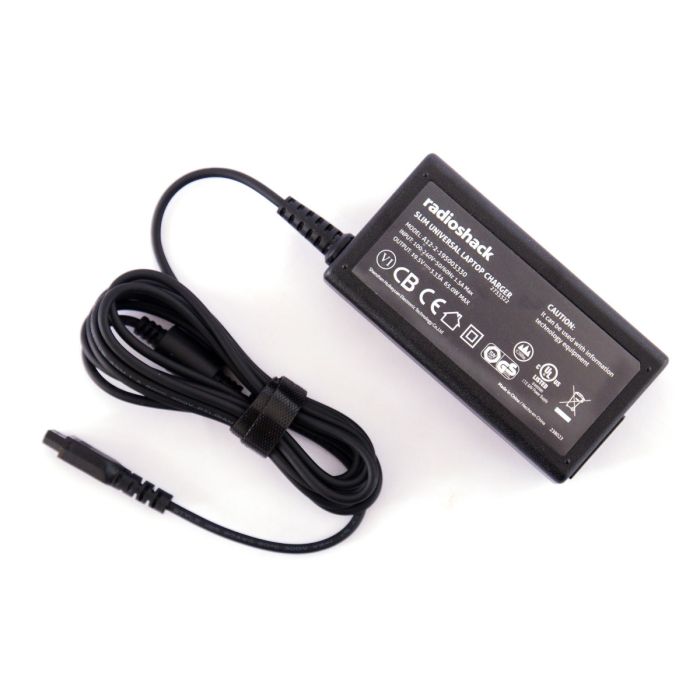
Credit: www.radioshack.com

Credit: www.amazon.com
Frequently Asked Questions
What Type Of Portable Charger Works Best Abroad?
Choose a charger with high capacity and universal voltage support. Look for USB-C for faster charging.
How To Keep Portable Chargers Safe During Travel?
Store chargers in a padded bag. Avoid extreme heat or cold to protect battery life.
Can I Use Any Charger With Foreign Outlets?
No. Use a travel adapter that fits local plug types for safe charging.
How Many Devices Can A Portable Charger Power Abroad?
Most chargers can power 1-3 devices. Check the mAh rating for longer usage.
Conclusion
Using a portable charger abroad keeps your devices ready to use. Choose one with enough power for your needs. Remember to carry the right cables and adapters. Charge your devices during downtime to avoid running out. Keep your charger safe and dry while traveling.
These small steps make your trip smoother and stress-free. Stay connected and enjoy your journey without battery worries. Portable chargers are simple tools that help a lot. Take care of them, and they will take care of you. Safe travels!