Your electric kettle works hard every day, boiling water quickly for your tea, coffee, and meals. But have you ever stopped to think about how clean it really is inside?
Over time, mineral deposits and grime can build up, affecting the taste of your water and the kettle’s performance. Don’t worry—cleaning your electric kettle is easier than you think. In this step-by-step guide, you’ll discover simple, effective methods to keep your kettle sparkling clean and working like new.
Ready to learn how to care for your kettle and enjoy better-tasting drinks every time? Let’s get started!
Why Clean Electric Kettles
Cleaning your electric kettle is important for safety and efficiency. Over time, kettles collect limescale and dirt. This build-up affects water taste and kettle performance. Regular cleaning keeps your kettle fresh and working well. It also prevents health problems and saves energy.
Health Risks Of A Dirty Kettle
A dirty kettle can grow bacteria and mold. Drinking water from it may cause stomach issues. Limescale build-up can trap harmful minerals. These can mix with your drinking water. Cleaning removes these risks and keeps water safe. It protects your family’s health every day.
Impact On Kettle Performance
Limescale slows down heating in the kettle. It makes the kettle use more electricity. The kettle takes longer to boil water. This wastes energy and increases bills. Cleaning improves heating speed and saves power. It also extends the kettle’s life span. A clean kettle works better and lasts longer.
Tools And Materials Needed
Cleaning an electric kettle is simple with the right tools. Using proper materials helps remove limescale and dirt effectively. Prepare these items before starting to save time and effort.
Common Cleaning Supplies
Gather basic items from your kitchen or home cleaning kit. White vinegar works well for natural cleaning. Baking soda helps scrub away stains without damage. A soft sponge or cloth cleans the surface gently. A small brush can reach tight spots inside the kettle. Clean water is essential for rinsing after cleaning.
Specialized Descaling Agents
Descaling products target mineral buildup quickly. These agents dissolve limescale that spoons and vinegar cannot remove. Choose a product safe for electric kettles. Follow the instructions carefully for best results. These agents keep your kettle working longer and better.
Preparing The Kettle For Cleaning
Preparing your electric kettle for cleaning is an important first step. It helps keep you safe and makes the cleaning process easier. Taking time to get the kettle ready stops damage and ensures better results. Follow the simple steps below before you start cleaning.
Unplugging And Cooling Down
Always unplug the kettle from the power outlet. This prevents electric shock during cleaning. Let the kettle cool down for at least 15 minutes. Hot kettles can cause burns and damage cleaning tools. Wait until it feels cool to touch before moving on.
Emptying Remaining Water
Pour out any water left inside the kettle. Standing water can cause stains and affect taste. Check the kettle for any small amounts of water. Drain all of it to make cleaning easier and more effective.

Credit: koh.com
Removing Limescale Build-up
Limescale build-up can affect your electric kettle’s performance. It forms when hard water heats up. Removing this build-up keeps your kettle clean and working well. It also improves the taste of your boiled water. Here are simple ways to remove limescale safely and effectively.
Using Vinegar Or Lemon Juice
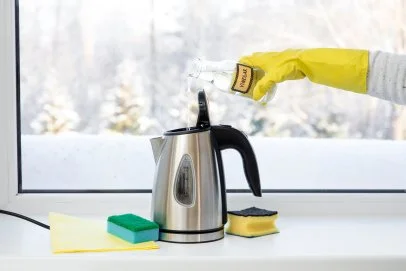
Vinegar and lemon juice are natural cleaners. Both contain acid that breaks down limescale. To use, fill the kettle halfway with water. Add equal parts vinegar or lemon juice. Boil the mixture and let it sit for 30 minutes. After that, pour out the liquid and rinse the kettle well. Wipe the inside with a soft cloth to remove any residue. This method is safe, cheap, and eco-friendly.
Applying Commercial Descalers
Commercial descalers are made for tough limescale. They work faster than natural acids. Follow the instructions on the package carefully. Usually, you mix the descaler with water and boil it in the kettle. Let the solution sit for the recommended time. Empty the kettle and rinse it several times with clean water. Use gloves to protect your hands during this process. Commercial descalers provide a strong clean for heavy build-up.
Cleaning The Exterior And Lid
Cleaning the exterior and lid of your electric kettle keeps it looking fresh and working well. Dirt, dust, and spills can build up over time. Regular cleaning helps stop stains and keeps the kettle safe to use. Focus on gentle cleaning to avoid damage.
Wiping With Mild Detergent
Use a soft cloth or sponge for cleaning. Mix a small amount of mild detergent with warm water. Dip the cloth in the solution and wring out extra water. Gently wipe the outside and the lid of the kettle. Avoid soaking the kettle or getting water inside the electrical parts. After wiping, use a clean damp cloth to remove soap. Dry the surface with a soft towel to prevent water spots.
Dealing With Stubborn Stains
Stains may need extra care. Make a paste using baking soda and a little water. Apply the paste to stained areas on the kettle’s exterior and lid. Let it sit for 10 minutes to break down grime. Use a soft brush or cloth to scrub gently. Rinse the area with a damp cloth and dry it well. Repeat if needed, but avoid harsh scrubbing to protect the kettle’s finish.

Credit: www.forummagazine.org
Rinsing And Drying
Rinsing and drying are key steps in cleaning an electric kettle. They remove leftover cleaning agents and moisture. This keeps the kettle safe and ready for use. Proper rinsing and drying help avoid bad smells and damage.
Thorough Water Rinse
Start by rinsing the kettle with clean, cold water. Pour water inside and swirl it around. Make sure to reach all parts, including the spout. Empty the water and repeat the rinse two or three times. This removes all traces of cleaning solutions and dirt. Avoid using soap during rinsing, as it can leave residue.
Proper Drying Techniques
After rinsing, dry the kettle well. Use a soft cloth or paper towel to wipe the inside and outside. Leave the lid open to air dry completely. This stops moisture build-up and mold growth. Never plug in the kettle while it is still wet inside. Always ensure it is fully dry before the next use.
Maintenance Tips For Longevity
Keeping your electric kettle in good shape helps it last longer and work better. Simple care steps stop damage and avoid costly repairs. Following easy tips keeps the kettle clean and safe for daily use.
Regular Cleaning Schedule
Clean the kettle every week. Empty any leftover water after use. Wipe the outside with a damp cloth. Remove limescale build-up with vinegar or lemon juice once a month. This stops mineral deposits from damaging the kettle. Dry the inside well before storing.
Avoiding Common Mistakes
Never fill the kettle above the maximum line. Avoid using harsh cleaners or steel wool. Do not immerse the kettle in water. Always unplug before cleaning. These steps prevent accidents and keep the kettle working well. Handle the kettle gently to avoid cracks or breaks.
Credit: www.foodnetwork.com
Frequently Asked Questions
How Often Should I Clean My Electric Kettle?
Cleaning your kettle once a month keeps it working well. More frequent cleaning may be needed in hard water areas. Regular cleaning stops limescale buildup and keeps water tasting fresh.
What Is The Best Way To Remove Limescale From Kettles?
Use a mix of equal parts water and white vinegar. Boil this solution in the kettle, then let it sit for 15-20 minutes. Rinse well with clean water afterward to remove residue.
Can I Use Lemon Juice To Clean My Electric Kettle?
Yes, lemon juice is a safe natural cleaner. Boil water with lemon slices or juice inside the kettle. This removes limescale and leaves a fresh, clean smell.
Is It Safe To Clean My Kettle With Baking Soda?
Baking soda gently cleans and removes odors from kettles. Mix a teaspoon with water, boil in the kettle, then rinse well. Avoid using too much to prevent residue.
Should I Unplug The Kettle Before Cleaning It?
Always unplug the kettle before cleaning to stay safe. Never immerse the kettle base in water. Wipe the outside with a damp cloth after unplugging.
Conclusion
Keeping your electric kettle clean helps it work well and last longer. Regular cleaning stops limescale and dirt build-up. Use simple steps to remove stains and freshen the kettle. Clean water tastes better and smells fresh. Spend a few minutes each week on this task.
You will enjoy safe, hot drinks every day. A clean kettle means a happy kitchen. Small effort, big results.