Are you worried about charging your devices safely while flying? You’re not alone.
Many travelers face the challenge of keeping their phones, tablets, and laptops powered up without risking damage or security issues. What if you could protect your gadgets and avoid common charging mistakes with just a few simple tips? Keep reading to discover easy, effective ways to charge your devices safely every time you fly.
Your peace of mind and your devices will thank you.
Risks Of Charging Devices On Planes
Charging devices on planes seems convenient but carries hidden risks. Passengers often use airplane USB ports or power outlets. These options may expose devices to security and technical problems. Awareness of these risks helps protect your device and data during flights.
Potential Security Threats
Public USB ports on planes can be unsafe. Hackers may install malicious software on these charging stations. Connecting your device may expose it to malware or hacking attempts. Avoid using unknown charging points to stay secure.
Device Damage Risks
Airplane power outlets may not provide stable power. Voltage fluctuations can harm your device’s battery or hardware. Overcharging or sudden power cuts might cause permanent damage. Use a quality power bank or airplane-approved charger instead.
Data Privacy Concerns
Charging ports can access more than just power. Some may transfer data without your knowledge. This can lead to unauthorized access to personal information. Always use your own charger and avoid public USB ports for charging.
Choosing The Right Charging Method
Choosing the right charging method during a flight is important for safety and convenience. Different devices and situations need different solutions. Using the best method helps keep your devices powered without risks. It also saves time and prevents damage.
Using Plane Power Outlets Safely
Many airplanes offer power outlets at seats. Use them to charge your devices during the flight. Check the outlet type before plugging in. Use the correct adapter to avoid sparks or shorts. Do not force plugs into outlets. Turn off devices before connecting to power. Unplug chargers when not in use to prevent overheating. Report any outlet that looks damaged or loose to the crew.
Portable Battery Packs Benefits
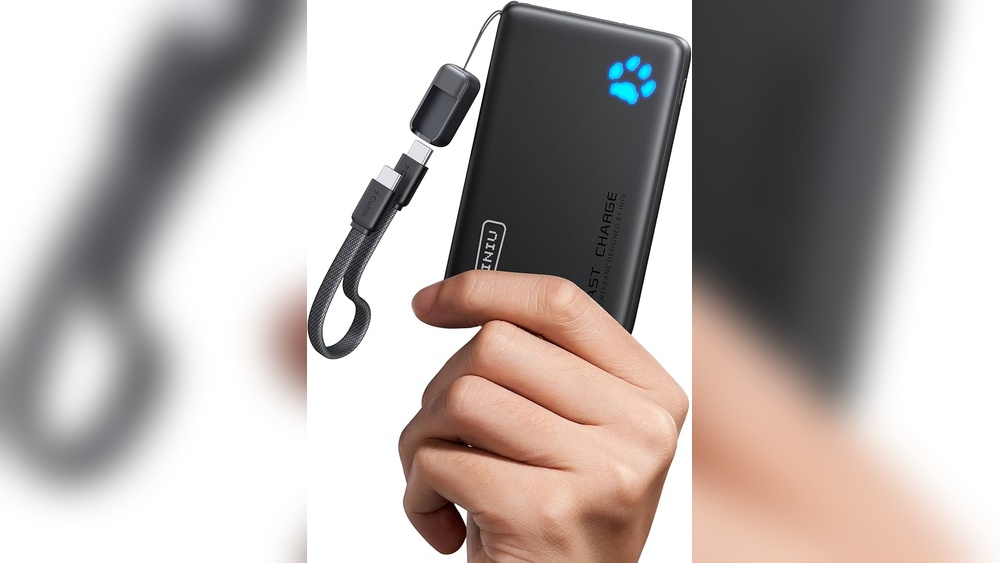
Portable battery packs are handy for charging on the go. They do not need a power outlet. Charge the battery pack fully before your trip. Use it to recharge your phone or tablet anytime. Choose a battery pack with safety features like overcharge protection. Avoid cheap or unknown brands. Keep the battery pack in your carry-on bag during the flight. It keeps your devices charged even without plane power.
Avoiding Public Usb Ports
Public USB ports in airports or planes can be risky. They may carry malware or steal data from your device. Avoid using unknown USB ports to charge your devices. Use your own charger and power adapter instead. Carry a portable battery pack as a safer option. If you must use a public USB port, use a USB data blocker. It stops data transfer and protects your device.
Best Practices For Device Charging
Charging your devices safely while flying protects your gadgets and personal information. Following best practices helps avoid damage and data risks. This section shares simple tips for safe charging during air travel.
Use Certified Chargers And Cables
Always use chargers and cables from trusted brands. Certified accessories meet safety standards and reduce fire risks. Avoid cheap or unknown products that may overheat or cause short circuits. Carry your own charger to ensure quality and compatibility.
Monitor Charging Progress
Keep an eye on your device while it charges. Do not leave it unattended for long periods. Disconnect once fully charged to avoid battery strain. Check for unusual heat or slow charging, which can signal problems. Staying alert prevents accidents and saves battery life.
Enable Device Security Features
Activate passcodes, fingerprint locks, or face recognition before charging in public places. Charging ports in airports or planes can carry data risks. Using security features protects your information from unauthorized access. Turn off data transfer options if possible while charging.
Credit: www.philippineairlines.com
Protecting Data While Charging
Protecting your data while charging devices during flights is vital. Public charging stations can expose your device to data theft. Hackers may use these ports to access your personal information. Taking simple steps can keep your data safe and your device secure.
Avoiding Data Transfer Risks
Charging ports often allow data transfer. This can let strangers access your files or install malware. Use only your charger and cable to avoid unknown connections. Avoid plugging your device into airport or airplane USB ports. Carry a portable power bank as a safer charging option.
Using Usb Data Blockers
USB data blockers prevent data transfer while charging. They let power flow but block any data exchange. These small adapters fit between your cable and the charging port. Using one stops hackers from accessing your device’s data. They are affordable and easy to carry on flights.
Keeping Software Updated
Update your device software before flying. Updates fix security weaknesses and protect against threats. Make sure your antivirus and operating system are current. Updated software reduces the risk of unauthorized data access. Regular updates keep your device safer during public charging.
Preparing Devices Before Flying
Preparing your devices before flying helps avoid problems during the trip. It ensures your gadgets stay safe and work well. Taking simple steps can save battery and protect data. This guide covers key tips to get your devices ready for the flight.
Charge Fully Before Departure
Make sure your device battery is full before leaving. Airports may not always have charging spots. A full battery keeps your phone or tablet working longer. This avoids stress if charging options are limited.
Download Essential Content
Save important files, apps, or videos on your device. Airplane Wi-Fi can be slow or unavailable. Having content offline keeps you entertained and informed. Download maps, books, or movies before boarding.
Activate Airplane Mode
Turn on airplane mode to stop wireless signals. It helps comply with flight rules and saves battery. Your device won’t search for networks constantly. Use Wi-Fi or Bluetooth only if the crew allows.

Credit: www.nytimes.com

Credit: www.oxygenconcentratorstore.com
Frequently Asked Questions
Can I Charge My Phone Safely On An Airplane?
Yes, you can safely charge your phone on most airplanes using USB ports or power outlets. Use your own charging cable and avoid cheap adapters for safety.
Is It Safe To Use Power Banks While Flying?
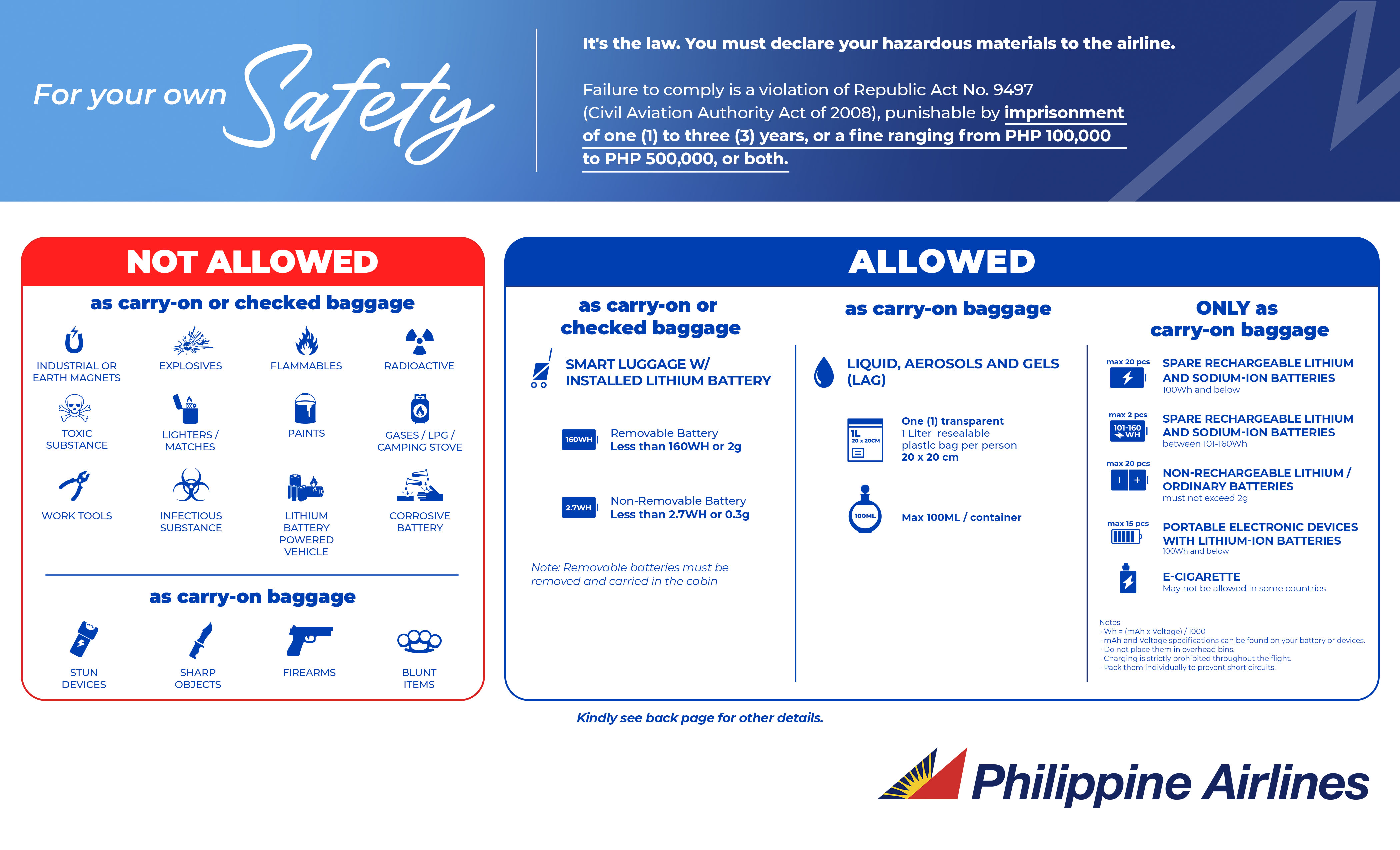
Power banks are allowed on planes but must be under 100Wh capacity. Always keep them in your carry-on bag and never charge them during the flight.
What Are The Risks Of Charging Devices On Flights?
Charging devices on flights can cause overheating or short circuits if using faulty cables. Always use certified chargers and unplug devices when fully charged to avoid risks.
Conclusion
Charging devices on planes requires care and attention. Choose the right chargers and cables to avoid problems. Keep an eye on your device while it charges. Avoid overcharging to protect your battery’s health. Follow airline rules about electronics and charging.
Safe charging helps your devices stay ready and secure. A little caution makes flying with gadgets easy and worry-free. Stay informed, stay safe, and enjoy your trip.