Sharp gadgets in your kitchen can make cooking faster and more enjoyable. But if you’re not careful, they can also cause serious injuries.
Imagine slicing vegetables smoothly without worrying about cuts or accidents. Wouldn’t that make your time in the kitchen safer and more relaxing? You’ll discover simple and effective kitchen safety tips that protect you while using knives, graters, peelers, and other sharp tools.
Keep reading to learn how to handle these gadgets confidently and keep your kitchen accident-free.

Credit: www.amazon.com
Choosing The Right Sharp Gadgets
Choosing the right sharp gadgets is key to kitchen safety. Sharp tools make cooking easier and faster. Picking the right ones helps prevent accidents. Not all sharp tools are the same. Knowing what suits your needs keeps your kitchen safe and efficient.
Types Of Sharp Kitchen Tools
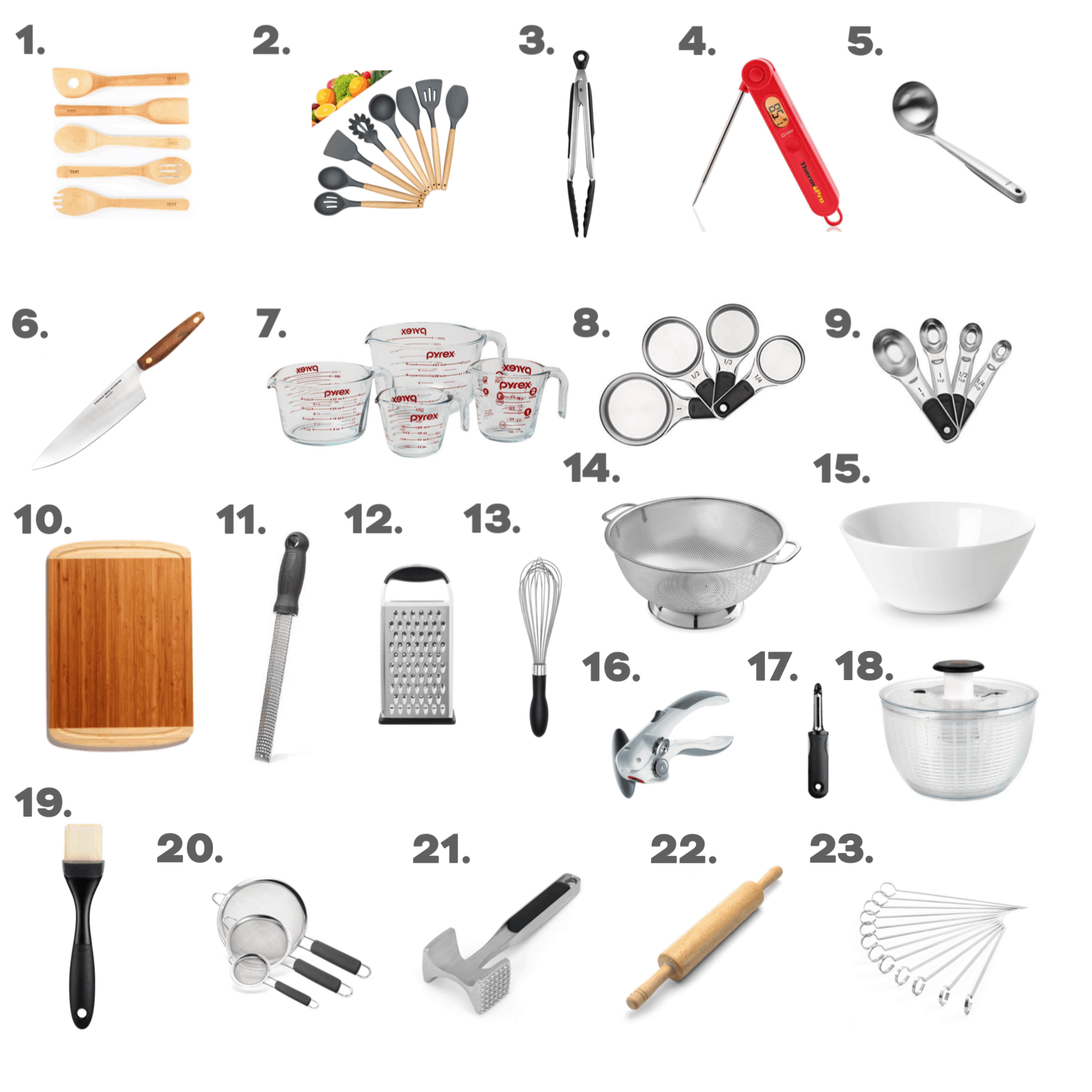
Knives come in many shapes and sizes. Chef’s knives cut vegetables and meat. Paring knives handle small, detailed tasks. Serrated knives slice bread without crushing it. Other tools include peelers and scissors. Each tool has a special job. Using the correct tool reduces the risk of injury.
Materials And Quality Considerations
Sharp tools must be strong and durable. Stainless steel resists rust and stays sharp longer. High-carbon steel holds a sharp edge well. Cheap tools dull quickly and break easily. Good quality tools last longer and stay sharp. Choose materials that balance sharpness and safety.
Ergonomic Designs For Safety
Handles should feel comfortable and secure in hand. Non-slip grips prevent slipping during use. Balanced weight makes cutting easier and safer. Look for tools with a good grip shape. Ergonomic designs reduce hand fatigue and accidents. Comfortable tools help keep control and avoid cuts.
Credit: www.tasteslovely.com
Proper Handling Techniques
Proper handling techniques are key to safe use of sharp kitchen tools. These methods lower the chance of cuts and accidents. Learning the right ways helps keep your hands safe and your work smooth. Follow simple rules to handle knives and other sharp gadgets with care.
Safe Gripping Methods
Hold knives firmly but not too tight. Use your dominant hand to grip the handle. Keep your fingers wrapped around the handle, not the blade. Place your thumb on one side and your index finger on the other side of the blade base. This grip gives control and prevents slipping.
For peelers or scissors, hold them steadily with your fingers in the correct slots. Avoid loose grips that can cause the tool to slip out of your hand.
Cutting Motions To Avoid Injuries
Do not cut towards your body or fingers. Always move the blade away from your skin. Use a steady, controlled motion to reduce accidents. Avoid quick, jerky cuts that can lead to slips. Use a rocking motion for chopping, keeping the tip on the board.
Do not force the blade through hard food. Use gentle pressure and let the sharp edge do the work. This reduces the risk of the knife slipping.
Using Protective Gear
Wear cut-resistant gloves when handling very sharp tools. These gloves add a layer of safety without losing touch sensitivity. Use finger guards for extra protection during slicing. Keep a first-aid kit nearby for quick treatment of small cuts.
Use a stable cutting board to avoid slipping. This helps keep your hands safe while cutting.
Safe Storage Practices
Safe storage practices are essential for preventing accidents with sharp kitchen tools. Proper storage keeps blades protected and hands safe. It also helps maintain the tools’ condition for longer use.
Organizing Sharp Tools
Keep knives and other sharp gadgets in a dedicated drawer or block. Use dividers to separate each tool. This stops blades from touching and reduces the risk of cuts.
Organized tools are easy to find. This saves time and avoids rushing, which can cause accidents.
Using Sheaths And Guards
Cover knife blades with sheaths or guards after cleaning. These protect the blade and prevent injuries when reaching into drawers. Sheaths come in plastic or silicone and fit many blade sizes.
Guards also keep blades sharp by stopping contact with other items.
Childproof Storage Solutions
Store sharp tools out of children’s reach. Use locked drawers or high shelves. Childproof locks add extra safety to prevent accidental access.
Teach children that sharp tools are not toys. Safe storage helps create a secure kitchen environment for everyone.

Credit: www.walmart.com
Maintenance And Sharpening
Keeping sharp kitchen gadgets in good shape is key for safety and performance. Proper maintenance and sharpening help tools work better and last longer. Dull blades cause accidents and make cooking harder. Follow simple steps to care for your gadgets.
Regular Cleaning Tips
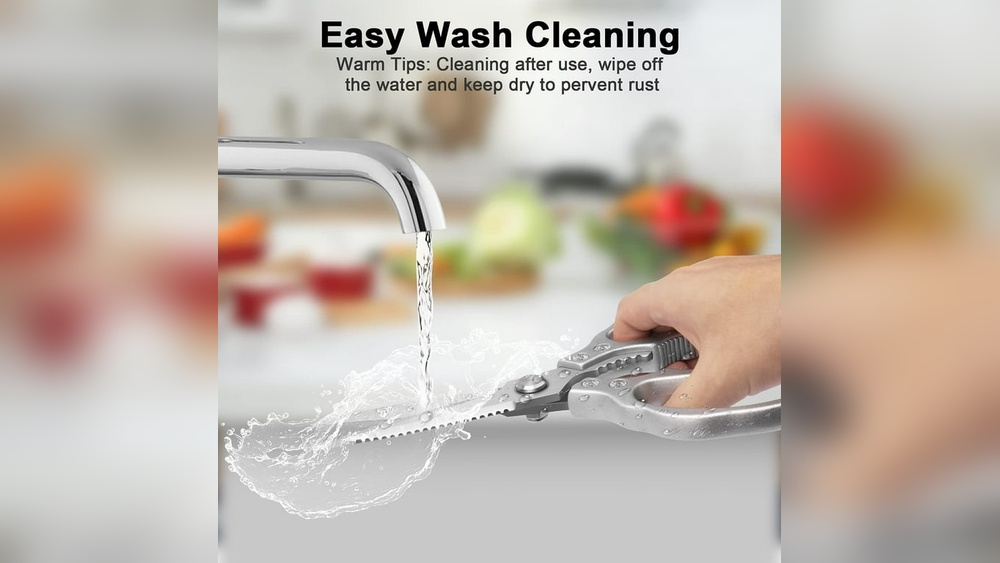
Clean sharp gadgets right after use. Use warm water and mild soap. Avoid soaking wooden handles to prevent damage. Dry tools completely to stop rust. Store knives and scissors in a safe place.
When And How To Sharpen
Sharpen blades when cutting feels tough or uneven. Use a sharpening stone or a manual sharpener. Hold the blade at a 20-degree angle. Draw the blade across the sharpener slowly. Repeat on both sides for even edges.
Avoiding Damage During Maintenance
Never use harsh chemicals or abrasive pads on blades. Avoid dropping gadgets or hitting hard surfaces. Check handles for cracks or looseness. Tighten screws or replace parts to keep tools safe. Handle with care to prevent accidents.
Emergency Preparedness
Sharp kitchen tools can cause injuries even to careful cooks. Being ready for emergencies keeps small cuts from turning into big problems. Knowing what to do fast helps you stay safe and calm.
First Aid For Cuts
Stop the bleeding by pressing gently with a clean cloth. Wash the cut with water to remove dirt. Apply an antibiotic cream to prevent infection. Cover the wound with a sterile bandage to keep it clean.
Creating A Safety Kit
Keep a first aid kit in the kitchen. Include bandages, antiseptic wipes, scissors, and gloves. Add instant cold packs and adhesive tape. Check the kit often to replace used or expired items.
Knowing When To Seek Medical Help
Seek help if bleeding won’t stop after 10 minutes. Deep cuts or wounds with exposed tissue need a doctor. Watch for signs of infection like redness or swelling. Severe pain or numbness also means it’s time to get medical care.
Teaching Kitchen Safety
Teaching kitchen safety is important for everyone. Sharp gadgets can cause injuries if not handled correctly. Learning safe habits early helps prevent accidents. Teaching safety builds confidence and skill in the kitchen. It makes cooking a fun and safe activity for all ages.
Guiding Children And Beginners
Start with simple instructions for children and beginners. Show how to hold knives and other sharp tools properly. Supervise them closely during use. Use age-appropriate gadgets to reduce risk. Praise careful handling to encourage good habits. Demonstrate each step slowly to ensure understanding.
Creating Safety Rules
Set clear safety rules for everyone in the kitchen. Rules like “always cut away from the body” help prevent cuts. Teach to keep fingers clear of blades. Stress the importance of cleaning tools after use. Remind to store sharp gadgets safely out of reach. Consistent rules make the kitchen safer for all.
Encouraging Mindful Cooking
Encourage paying full attention while using sharp tools. Avoid distractions such as phones or loud music. Teach to move slowly and carefully with knives. Remind to focus on each action. Mindful cooking reduces mistakes and accidents. It helps create a calm and safe cooking space.
Frequently Asked Questions
How Can I Safely Handle Sharp Kitchen Gadgets?
Always hold sharp tools by their handles and cut away from your body. Use a stable surface and never rush while cutting.
What Is The Best Way To Store Sharp Kitchen Tools?
Store knives and sharp gadgets in a knife block or magnetic strip. This keeps blades protected and prevents accidents.
How Often Should I Sharpen Kitchen Knives For Safety?
Sharpen knives regularly to keep edges strong and reduce slipping risks. A dull knife can be more dangerous than a sharp one.
Can I Use Gloves For Extra Safety With Sharp Gadgets?
Yes, cut-resistant gloves can protect your hands from accidental cuts. They add an extra layer of safety, especially for beginners.
Conclusion
Sharp gadgets need careful handling in the kitchen. Always keep your tools clean and dry. Store knives safely to avoid accidents. Use cutting boards to protect surfaces and blades. Pay attention while cutting; distractions cause injuries. Teach children about sharp tools and safe use.
Regularly check gadgets for damage or dullness. Safe habits prevent harm and keep cooking fun. Stay alert and respect your kitchen tools every time. Safety first—your hands will thank you later.