Imagine never running out of power for your phone, camera, or other devices while you’re on the move. Solar chargers can make that possible, giving you freedom and peace of mind wherever you go.
But how do you use them effectively during your travels? If you want to keep your gadgets charged without hunting for outlets or carrying heavy batteries, this guide is exactly what you need. Keep reading to discover simple tips and tricks that will help you make the most of solar chargers on your next adventure.
Choosing The Right Solar Charger
Choosing the right solar charger is key for any traveler. It can keep your devices powered without needing electricity. The right choice depends on your travel style and device needs. Some chargers fit small gadgets, while others support larger electronics. Understanding the types and features helps pick the best option.
Types Of Solar Chargers
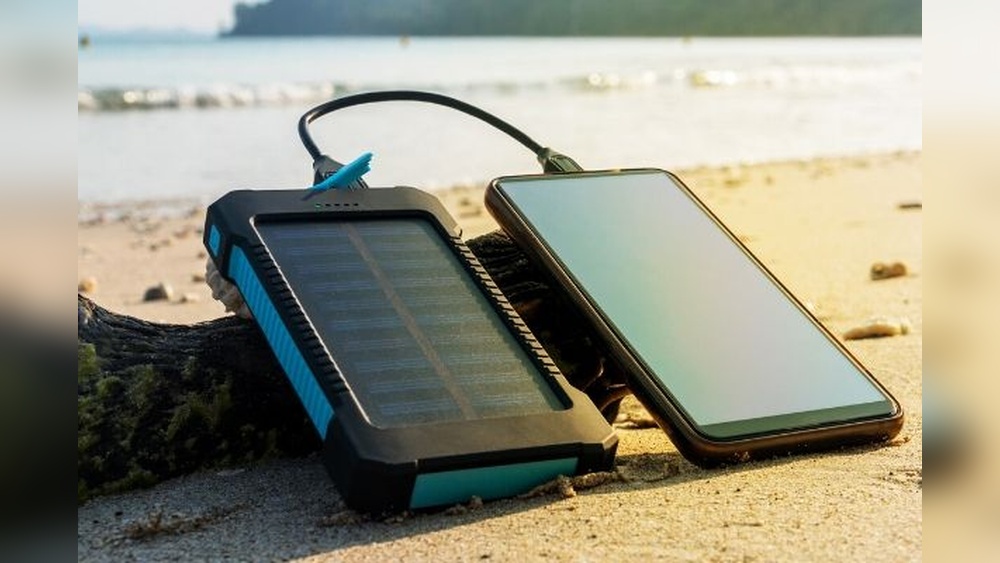
There are mainly three types of solar chargers. Foldable panels are compact and easy to carry. They work well for phones and small devices. Rigid panels offer stronger power but weigh more. They suit longer trips or bigger devices. Solar power banks store energy for use later. They charge devices even without sunlight.
Key Features To Consider
Look for charging speed and power output first. Higher wattage charges devices faster. Check the number of USB ports for multiple devices. Waterproof or weather-resistant chargers last longer outdoors. Weight and size matter for easy carrying. Some have built-in batteries to save energy. Choose one with good durability for rough travel.
Portable Vs. Stationary Options
Portable solar chargers are lightweight and easy to pack. They fit well in backpacks and suit short trips. Stationary chargers are larger and stay in one place. They work better for long stays or base camps. Decide based on your travel length and device needs. Portability adds convenience; stationary offers stronger power.
Preparing For Your Trip
Preparing for your trip is key to using solar chargers effectively. Good planning ensures your devices stay powered throughout your journey. Understanding your needs and packing the right gear makes a big difference. Keep in mind the weather and your travel location. These factors affect how well your solar charger works.
Estimating Your Power Needs
List the devices you want to charge. Note their battery sizes and how often you use them. Calculate the total energy they require daily. This helps you choose a solar charger with enough power output. Think about extra power for emergencies or longer trips.
Packing Solar Charging Accessories
Bring essential accessories like cables, adapters, and power banks. Choose lightweight and compact items to save space. Include a carrying case to protect your solar charger. Pack a small cleaning cloth to keep solar panels clear for better charging. Check all connectors fit your devices before leaving.
Weather And Location Factors
Research the weather forecast for your travel dates. Cloudy or rainy days reduce solar charging efficiency. Plan for alternative charging options if needed. Consider your travel location’s sunlight hours and angle. Sunny spots and open spaces improve solar panel performance. Avoid shaded areas to get the best results.
Setting Up Solar Chargers On The Go
Setting up solar chargers while traveling is simple with the right approach. It ensures your devices stay powered without hassle. Proper setup helps capture sunlight efficiently. This section guides you on placement, angle, and using solar chargers with your gadgets.
Optimal Placement For Sunlight
Place your solar charger in a spot with direct sunlight. Avoid shaded areas from trees or buildings. Clear skies give the best charging power. Keep the charger away from reflective surfaces that cause glare. Bright, open spaces work best for steady energy.
Angle And Orientation Tips
Position the solar panel facing the sun directly. Tilt it to match the sun’s angle. A 30 to 45-degree tilt often works well. Change the angle as the sun moves during the day. This adjustment improves charging speed and efficiency.
Using Solar Chargers With Devices
Connect your device to the solar charger using the correct cable. Use a power bank between the charger and device for stable power. Charge devices during the day to store energy for night use. Monitor your device’s battery level to avoid overcharging.

Credit: eu.wattcycle.com
Maximizing Charging Efficiency
Maximizing charging efficiency is key to using solar chargers effectively while traveling. It helps ensure your devices stay powered without long waits. Simple habits and smart tools boost the energy you get from the sun. This section covers how to manage your devices, charge several gadgets, and store power.
Managing Device Usage
Turn off devices when not in use. Close apps running in the background. Lower screen brightness to save battery. Use airplane mode if you don’t need internet. These steps reduce power drain. Your solar charger can then replenish energy faster. Plan your device use to match sunny times. Charge during peak sunlight hours for better results.
Charging Multiple Devices
Use a solar charger with multiple USB ports. Charge small devices like phones and cameras first. Larger devices take more time to charge. Connect devices one at a time if ports are limited. Use a USB hub if needed. Avoid charging all devices at once to prevent slow charging. Keep cables organized to save time and avoid confusion.
Battery Storage Solutions
Carry a portable power bank with your solar charger. Charge the power bank during the day. Use it to power devices at night or on cloudy days. Choose a power bank with enough capacity for your needs. Store the power bank in a cool, dry place. This method ensures you have power anytime. It also protects devices from sudden power loss.
Troubleshooting Common Issues
Using solar chargers while traveling is easy but can sometimes cause issues. Troubleshooting helps keep your device working well. Knowing common problems and fixes saves time and stress. This section covers common issues and simple solutions.
Dealing With Low Sunlight
Solar chargers need sunlight to work. Cloudy days or shade reduce power. Place the charger in direct sunlight. Adjust its angle toward the sun. Avoid placing it behind objects or inside bags. Morning and afternoon light may be weaker. Try charging during midday for best results.
Maintaining Your Solar Charger
Keep your solar charger clean. Dirt and dust block sunlight. Wipe the surface with a soft cloth often. Avoid using harsh chemicals. Store the charger in a dry place. Protect it from water and extreme heat. Check cables and connectors for damage. Replace broken parts quickly to prevent failure.
Avoiding Overcharging And Damage
Some solar chargers have built-in protection. But overcharging can still happen. Disconnect devices once fully charged. Use chargers with automatic shutoff if possible. Avoid exposing the charger to heavy rain. Do not bend or twist cables forcefully. Handle your charger gently during travel. These steps extend its lifespan and keep devices safe.
Safety And Environmental Tips
Using solar chargers during travel is smart and eco-friendly. Staying safe and caring for the environment should be your top priorities. These tips help you use solar chargers wisely and protect nature at the same time.
Handling Solar Chargers Safely
Keep solar panels dry and clean. Dirt or water can damage them. Avoid bending or dropping the charger. Use it on stable surfaces. Check cables for cuts or wear. Do not use damaged wires. Store the charger in a cool place. Avoid extreme heat or cold. Always unplug after use to prevent overheating.
Reducing Environmental Impact
Choose solar chargers made from recycled materials. Use energy only when needed. Turn off devices once charged. Avoid charging in low sunlight to save energy. Carry reusable bags and reduce plastic waste. Respect local wildlife and plants. Leave no trash behind. Small steps protect the planet.
Disposing Of Old Equipment
Do not throw solar chargers in regular trash. Find electronic recycling centers nearby. Many communities have safe disposal options. Remove batteries and recycle them separately. Recycling helps reduce pollution and waste. It also recovers valuable materials. Proper disposal keeps the environment clean and safe.
Best Practices For Long-term Use
Using solar chargers during travel is smart and eco-friendly. To keep them working well, follow some simple best practices. These tips help your solar charger last longer and stay efficient on every trip. Taking care of your gear means fewer worries and more power wherever you go.
Regular Maintenance
Clean your solar panels often. Dust and dirt block sunlight and reduce charging power. Use a soft cloth and water to wipe the surface gently. Avoid harsh chemicals that can damage the panels. Check the cables and connections for any signs of wear or damage. Fix or replace broken parts quickly to keep the charger working well.
Upgrading Your Gear
Technology improves fast. New solar chargers may offer better efficiency and lighter designs. Consider upgrading your charger every few years. Choose models with higher power output or faster charging speeds. Look for added features like USB-C ports or built-in batteries. Upgrading helps you stay prepared for longer trips and more devices.
Storing Solar Chargers Properly
Store your solar charger in a cool, dry place. Avoid direct sunlight and extreme temperatures when not in use. Fold or roll the panels carefully to prevent cracks or scratches. Keep the charger away from heavy objects that could cause damage. Proper storage keeps your gear safe and ready for your next adventure.

Credit: www.creativegreenliving.com
Credit: eu.wattcycle.com
Frequently Asked Questions
What Types Of Devices Work Best With Solar Chargers?
Most small electronics like phones, tablets, and cameras charge well with solar chargers. Bigger devices may need more power or special adapters. Check your device’s power needs before use.
How Long Does It Take To Charge Devices With Solar Chargers?
Charging time varies with sunlight strength and device battery size. On a sunny day, expect several hours for a full charge. Cloudy weather can slow charging significantly.
Can Solar Chargers Work Indoors Or On Cloudy Days?
Solar chargers need sunlight to work efficiently. They can charge slowly on cloudy days but not indoors. For best results, place them under direct sunlight.
How Do I Care For My Solar Charger While Traveling?
Keep the solar panel clean and dry for best performance. Avoid bending or dropping the charger during trips. Store it in a protective case when not in use.
Are Solar Chargers Safe To Use With All Batteries?
Solar chargers are generally safe for most rechargeable batteries. Use chargers that match your device’s voltage and current requirements. Avoid using damaged or incompatible batteries with solar chargers.
Conclusion
Solar chargers offer a simple way to keep devices powered outdoors. They work best in sunny places and need some planning. Carry them in your bag for quick access. Charging gadgets on the go saves you from losing connection. Always place the charger in direct sunlight for faster energy.
Small and lightweight models suit travelers well. Try solar charging to enjoy longer trips without worry. It’s a smart, eco-friendly choice for all adventurers. Simple to use and easy to carry. Why not give it a try on your next journey?