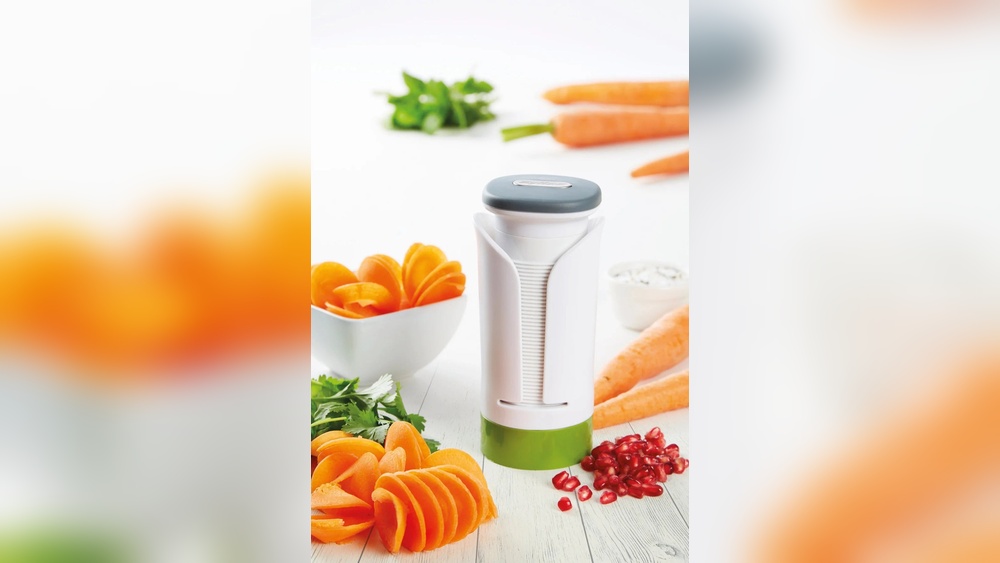
Are you ready to transform your meals and add a fun twist to your cooking? Using a spiralizer effectively can turn ordinary vegetables into exciting, healthy dishes in minutes.
Whether you want to make veggie noodles, salads, or garnishes, mastering this simple tool can save you time and boost your creativity in the kitchen. Keep reading to discover easy tips and tricks that will help you get the most out of your spiralizer and impress everyone with your delicious, fresh creations.

Credit: www.amazon.com
Choosing The Right Spiralizer
Choosing the right spiralizer can make a big difference in how much you enjoy preparing your meals. It’s not just about looking good on the kitchen counter; the right tool saves time, reduces frustration, and gives you the texture you want. Knowing what fits your cooking style and needs helps you avoid buying a gadget that ends up gathering dust.
Manual Vs Electric Spiralizers
Manual spiralizers require you to turn the handle yourself. They offer great control and are usually less expensive. If you like a hands-on approach and don’t mind a bit of effort, a manual spiralizer can be very satisfying to use.
Electric spiralizers do the work for you, spinning veggies quickly with the push of a button. They are perfect if you prepare large batches or want consistent results fast. However, they take up more space and tend to be pricier, so consider how often you’ll use it.
Think about your kitchen habits: Do you enjoy the process, or do you want convenience above all? This choice will guide you to the best spiralizer for your lifestyle.
Blade Types And Sizes
The blades determine the shape and thickness of your veggie noodles. Most spiralizers come with multiple blade options, such as thin, thick, and ribbon cuts. Choosing one with versatile blades lets you experiment with different dishes without needing extra tools.
Sharp, high-quality blades reduce the chance of squashing your vegetables, giving you cleaner, crispier strands. Dull or cheap blades can make the process frustrating and messier. Remember, a sharp blade means less effort on your part and better-looking results.
Ask yourself: Do you want to make delicate zucchini noodles or thicker sweet potato spirals? Your answer helps you pick the blade set that fits your cooking preferences.
Material And Durability
Spiralizers come in plastic, stainless steel, or a combination of both. Plastic models are lightweight and budget-friendly but may wear out faster. Stainless steel versions are sturdy and often last longer, making them a better investment if you plan to spiralize regularly.
Check the construction quality—especially the parts that hold the vegetable in place and the handle mechanism. Weak spots here can cause the spiralizer to wobble or break. A solid build means your spiralizer will stay reliable through many uses.
Consider your kitchen environment, too. Do you prefer something easy to clean and store, or are you okay with a heavier model that offers more stability? Your choice affects not only durability but daily convenience.

Credit: zyliss.com
Preparing Vegetables For Spiralizing
Preparing vegetables for spiralizing is a key step for great results. Proper preparation helps the spiralizer work smoothly. It also keeps your spirals neat and even. Follow these simple tips to get the best from your veggies.
Best Veggies To Spiralize
Choose firm vegetables with a long shape. Zucchini, carrots, and cucumbers are excellent choices. Sweet potatoes and beets also work well. Soft or watery vegetables may not spiralize properly. Pick fresh vegetables for the best texture and flavor.
Cleaning And Peeling Tips
Wash vegetables thoroughly under cold water. Remove dirt and any pesticides. Use a vegetable brush for root vegetables. Peel vegetables like carrots and sweet potatoes. Leave the skin on if it is thin and clean. Dry them well before spiralizing to avoid slipping.
Cutting For Optimal Results
Trim both ends of the vegetable to create flat surfaces. This helps the vegetable fit snugly on the spiralizer. Cut large vegetables in half if needed. Keep pieces straight and firm. Avoid irregular shapes for smooth, continuous spirals. Proper cutting makes spiralizing easier and faster.
Spiralizing Techniques
Spiralizing techniques help you create perfect vegetable noodles and ribbons. Using the right method makes your food look great and taste fresh. It also saves time and keeps the spiralizer safe to use.
Focus on how you hold the vegetable, the pressure you apply, and your speed. Avoid common errors to prevent waste and injury. Follow safety tips to enjoy your spiralizing experience.
Proper Grip And Pressure
Hold the vegetable firmly but not too tight. A steady grip stops slipping and keeps the vegetable stable. Apply even pressure while turning the handle or twisting the vegetable. Pressing too hard can break the blades or squash the vegetable. Gentle, consistent force gives long, clean spirals.
Avoiding Common Mistakes
Do not use soft or very small vegetables. They can break or get stuck. Cut vegetables to fit the spiralizer’s size. Avoid forcing the vegetable if it does not turn smoothly. Clean the blades regularly to stop buildup. Remove any stuck pieces carefully to avoid damage or injury.
Speed And Safety Tips
Turn the handle at a steady, moderate speed. Going too fast can cause uneven spirals or accidents. Always keep fingers clear of the blades. Use the spiralizer’s safety guard if it has one. Work on a clean, flat surface to keep the spiralizer steady. Stop immediately if the vegetable slips or the blades jam.
Cleaning And Maintenance
Cleaning and maintaining your spiralizer keeps it working well and safe to use. Regular care prevents food buildup and extends the tool’s life. Simple steps make cleaning quick and easy.
Disassembling Your Spiralizer
Take apart the spiralizer before cleaning. Remove the handle, blade, and any detachable parts. Check the user manual for safe disassembly. This helps reach all areas and avoid damage.
Effective Cleaning Methods
Rinse each piece under warm water to remove food bits. Use a soft brush to clean blades carefully. Avoid harsh scrubbing that can dull the blade. Dry all parts thoroughly with a clean cloth. Dishwasher-safe parts can go in the dishwasher if allowed.
Storage Suggestions
Store your spiralizer in a dry place to prevent rust. Keep blades covered or in a protective case. Arrange parts neatly to avoid losing small pieces. Proper storage keeps it ready for the next use.
Creative Recipes With Spiralized Veggies
Spiralized vegetables offer a fun and fresh way to enjoy healthy meals. They bring color and texture to every dish. Using a spiralizer, you can transform simple veggies into exciting recipes that everyone loves.
These recipes are simple and quick to make. They suit snacks, main meals, and side dishes. Discover how spiralized veggies can change your daily meals.
Quick Salads And Snacks
Spiralized cucumbers, carrots, and zucchini make crisp salads. Toss them with light dressings and herbs. Add nuts or seeds for extra crunch. These salads are perfect for a quick lunch or snack. They are fresh and easy to prepare.
Hearty Main Dishes
Use spiralized vegetables as a base for main dishes. Zucchini noodles replace traditional pasta well. Top with tomato sauce, chicken, or tofu. Spiralized sweet potatoes work great in stir-fries or baked dishes. These meals are filling and full of flavor.
Healthy Side Options
Spiralized veggies make tasty side dishes. Try sautéed spiralized carrots or beets with garlic. Roasted spiralized squash adds a warm, soft texture. These sides add color and nutrition to your plate. They complement any main course with ease.
Credit: cookinggods.com
Frequently Asked Questions
What Vegetables Work Best With A Spiralizer?
Firm vegetables like zucchini, carrots, cucumbers, and sweet potatoes work best for spiralizing.
How Do I Clean My Spiralizer Safely?
Disassemble the spiralizer and rinse all parts under warm water, using a brush for stuck bits.
Can I Use A Spiralizer For Making Salads?
Yes, spiralized vegetables add a fresh, crunchy texture perfect for salads and healthy meals.
How Do I Avoid Clogging The Spiralizer Blade?
Cut vegetables into even lengths and apply steady pressure while turning to prevent clogging.
Conclusion
Using a spiralizer makes vegetables fun and easy to eat. It helps you enjoy healthy meals with little effort. Try different veggies to find your favorite shapes and tastes. Clean your spiralizer right after use to keep it working well.
Practice a bit, and you will get better each time. Healthy cooking can be simple and tasty. Keep experimenting and enjoy fresh, colorful dishes every day.