Do you ever struggle with soggy, wet salad leaves that just won’t stay crisp? If you’ve got a salad spinner sitting in your kitchen, you’re halfway to perfect, fresh greens every time.
But are you really using it the right way? Mastering how to use a salad spinner properly can change your salad game completely. You’ll discover simple steps and insider tips that will help you spin away excess water quickly and easily, so your salads stay fresh, crunchy, and delicious.
Keep reading, and you’ll never look at your salad spinner the same way again!
Credit: www.thekitchn.com
Choosing The Right Salad Spinner
Choosing the right salad spinner helps make washing and drying greens easier. A good spinner saves time and keeps leaves fresh. Think about your kitchen space and how often you use it. This guide helps you pick a spinner that fits your needs.
Types Of Salad Spinners
Salad spinners come in different types. The most common are hand-pump, pull-cord, and crank models. Hand-pump spinners have a button or lever on top. Pull-cord spinners use a string to spin the basket. Crank spinners have a handle you turn. Each type works well but offers different ease and speed.
Material And Size Considerations
Plastic is the most popular material for spinners. It is lightweight and easy to clean. Stainless steel spinners look nicer and last longer. Size matters too. Small spinners fit one or two servings. Large spinners handle big salads or multiple servings. Choose a size that fits your usual salad portion and storage space.
Price Vs. Quality
Price varies from budget-friendly to more expensive models. Low-cost spinners work well but may wear out faster. Higher-priced spinners often have better build and stronger parts. Consider how often you use the spinner. Spending a bit more can be worth it for durability and comfort.
Credit: www.youtube.com
Preparing Greens For Spinning
Preparing greens for spinning is the key to crisp, fresh salads. Proper preparation removes dirt and excess water. It also helps leaves dry evenly in the salad spinner. Follow simple steps for the best results.
Washing Leaves Thoroughly
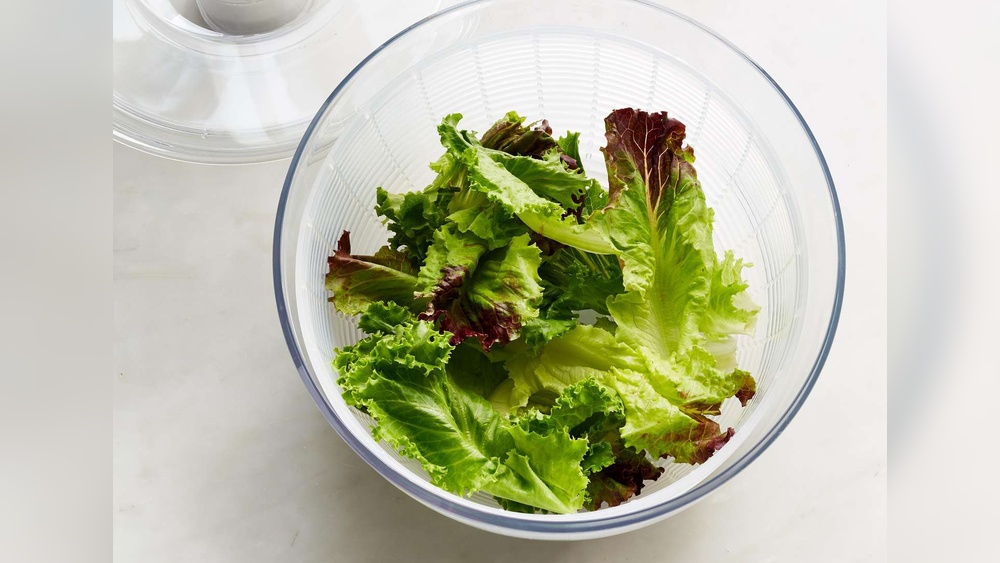
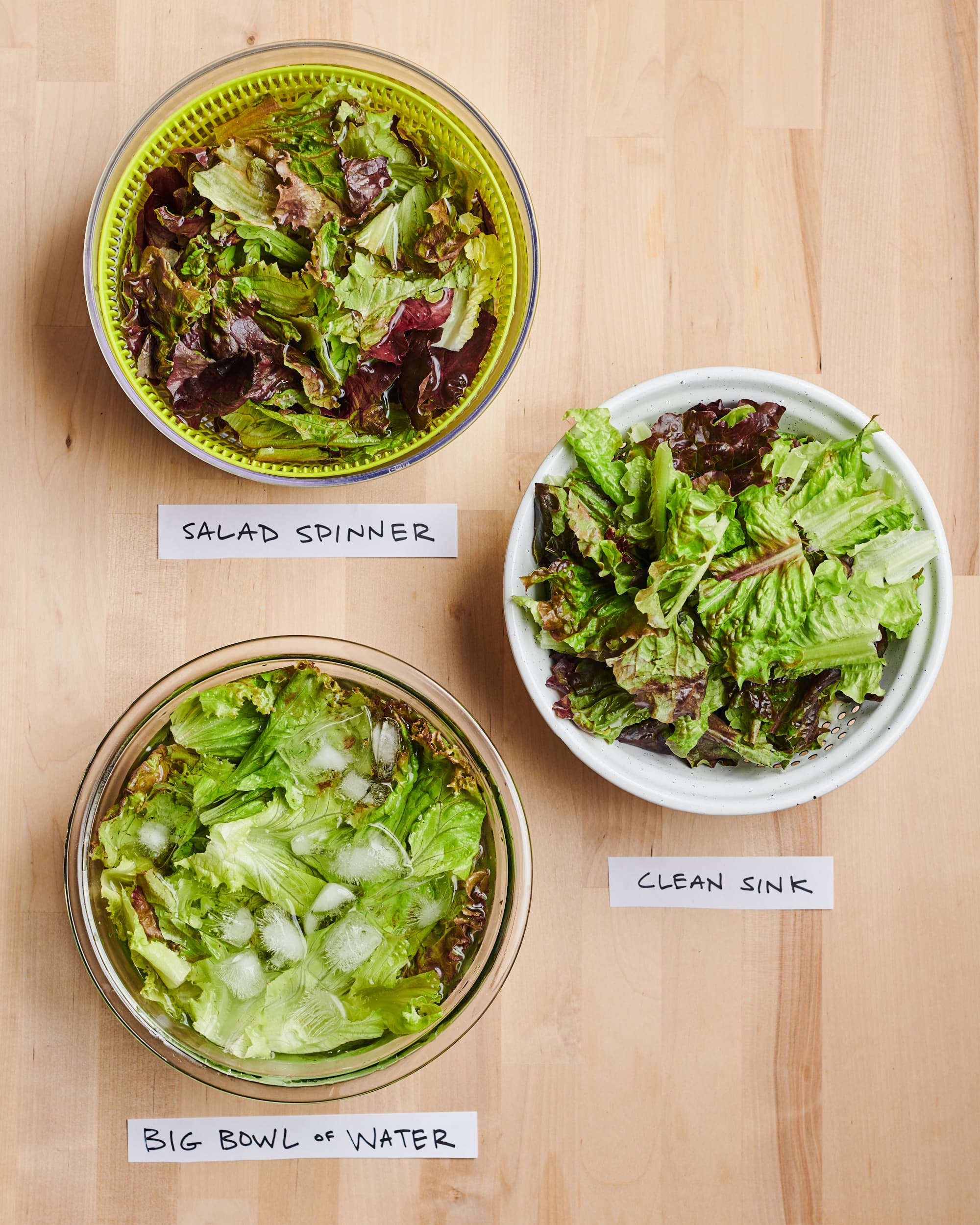
Start by placing greens in a large bowl or sink filled with cold water. Swirl the leaves gently to loosen dirt and sand. Let them sit for a few minutes to allow debris to settle. Lift leaves carefully out of the water. Avoid pouring water with leaves to keep dirt from returning. Repeat washing if leaves still seem dirty.
Trimming And Sorting Greens
Remove any damaged or yellow leaves before spinning. Cut off thick stems that may hold extra water. Separate larger leaves from smaller ones for even drying. Group similar types of greens together to avoid uneven spinning. This step ensures cleaner, drier salad greens.
Avoiding Overcrowding
Place leaves loosely in the spinner basket. Overcrowding stops leaves from spinning freely. It keeps water trapped between leaves. Spin in batches if you have a lot of greens. This prevents soggy leaves and helps the spinner work better.
Steps To Spin Greens Effectively
Spinning greens properly is key to making fresh, crisp salads. The right steps help remove water quickly. This keeps leaves dry and tasty. Follow clear steps to use your salad spinner well.
Loading The Basket Correctly
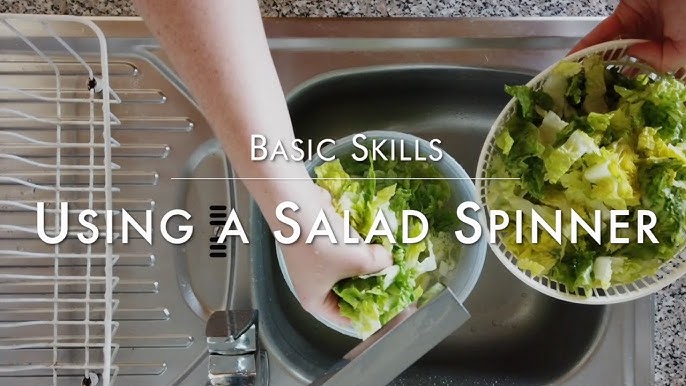
Place greens loosely in the basket. Avoid overfilling to allow air flow. Too many leaves stop water from spinning out. Tear large leaves into smaller pieces. This helps clean and dry all parts evenly.
Proper Spinning Technique
Hold the spinner lid firmly. Use steady, even strokes to spin. Start slow, then increase speed if needed. Avoid shaking or jerking the spinner. Smooth spinning removes water better and keeps leaves whole.
Adjusting Spin Duration
Spin for about 20 seconds at first. Check leaves for moisture after spinning. Spin longer if leaves still feel wet. Stop as soon as leaves are dry but not bruised. Over-spinning can damage delicate greens.
Drying Tips For Extra Crispness
Using a salad spinner helps remove most water from your greens. Yet, some moisture may still cling to the leaves. Drying the greens well gives them a fresh, crisp texture. It also helps dressings stick better. Follow these simple drying tips for extra crispness after spinning.
Using Paper Towels For Final Dry
After spinning, place greens on clean paper towels. Gently pat them dry to soak up leftover water. Avoid rubbing, which can bruise delicate leaves. Use fresh towels if needed. This step helps remove tiny water droplets that the spinner missed.
Letting Greens Air Out
Spread the greens in a single layer on a dry towel or clean cloth. Let them sit for 5 to 10 minutes. Air drying removes moisture trapped inside the leaves. It keeps the salad from becoming soggy. Make sure the area has good air flow for best results.
Storage After Spinning
Store greens in a clean container lined with paper towels. The towels absorb any extra moisture. Close the container loosely to allow some air circulation. This method keeps greens crisp longer in the fridge. Avoid sealing tightly, which traps moisture and causes wilting.
Cleaning And Maintaining Your Spinner
Keeping your salad spinner clean is key to safe, fresh salads. Dirt and leftover food can cause bad smells and germs. Regular cleaning keeps your spinner working well and your greens fresh. Proper care also helps the spinner last longer.
Disassembling For Cleaning
Start by taking the spinner apart. Remove the lid, basket, and bowl. Wash each part separately with warm, soapy water. Use a soft sponge to avoid scratches. Rinse all parts well to remove soap. Dry everything with a clean towel or air dry.
Avoiding Mold And Odors
Make sure the spinner is completely dry before storing. Mold grows in wet, dark places. Leave the lid off after use so air can circulate. Clean the spinner regularly to prevent any smells. If odors appear, soak parts in vinegar water for 15 minutes.
Storage Tips
Store the spinner in a dry, cool place. Keep it away from direct sunlight to avoid damage. Place the lid loosely or slightly open to keep air flowing. Avoid stacking heavy items on top. Proper storage keeps the spinner ready for the next salad.
Creative Uses Beyond Salad
A salad spinner is not just for drying salad greens. It has many other clever uses. You can use it to wash and dry delicate foods or even in your crafts. It saves time and effort in the kitchen and beyond.
Washing Herbs And Berries
Fresh herbs and berries need gentle washing. A salad spinner rinses them well without damage. Spin lightly to remove water without bruising. This keeps herbs fresh and berries firm for longer.
Draining Pasta Or Vegetables
Use the salad spinner to drain cooked pasta or veggies. After boiling, place them in the basket and spin. It removes extra water quickly without spilling. This method helps keep your dish from getting soggy.
Craft And Kitchen Hacks
Try using a salad spinner for craft projects. Spin painted paper to create unique patterns. It also helps dry small painted objects evenly. In the kitchen, use it to clean small toys or kitchen tools fast.

Credit: www.americastestkitchen.com
Frequently Asked Questions
How Do You Use A Salad Spinner Step-by-step?
Place washed greens inside. Close lid. Spin by pressing or turning handle. Stop and remove dry leaves.
Can A Salad Spinner Damage Delicate Greens?
No. Gentle spinning removes water without bruising leaves if used carefully.
How Often Should You Clean A Salad Spinner?
Clean after every use to avoid mold and bacteria buildup. Use warm soapy water.
Does Using A Salad Spinner Save Salad Dressing From Getting Watery?
Yes. Dry leaves help dressing stick better and keep salads fresh longer.
Conclusion
Using a salad spinner helps dry greens quickly and easily. Spin the leaves gently to avoid bruising. Clean the spinner after each use to keep it fresh. This tool saves time and makes salads taste better. Practice a few times to get the hang of it.
Enjoy crisp, fresh salads every day with this simple step.