Are you tired of unevenly cooked rice or spending too much time in the kitchen? Your rice cooker can be a game-changer if you know how to use it right.
Imagine perfectly fluffy rice every time, with minimal effort and no guesswork. You’ll discover simple tips and tricks to make the most out of your rice cooker. Get ready to save time, reduce stress, and enjoy delicious meals effortlessly. Keep reading to unlock the full potential of your rice cooker today!

Credit: kukuchen.com
Choosing The Right Rice Cooker
Choosing the right rice cooker is key to perfect rice every time. Not all rice cookers work the same. Picking the best one saves time and effort. It also fits your kitchen and cooking style. This guide helps you find the ideal rice cooker for your needs.
Types Of Rice Cookers
There are basic, fuzzy logic, and induction rice cookers. Basic models cook rice with simple heat. Fuzzy logic cookers adjust temperature for better results. Induction cookers use magnetic fields for even heating. Each type offers different cooking styles and prices.
Capacity And Size
Rice cookers come in sizes from 3 cups to 10 cups or more. Choose a size that matches your family. Small cookers suit singles or couples. Large cookers work well for families or gatherings. Also, think about the space in your kitchen.
Essential Features To Look For
Look for a rice cooker with a non-stick pot. This makes cleaning easier. A keep-warm function keeps rice fresh for hours. Some cookers have timers to start cooking later. Easy-to-use controls help avoid mistakes. These features improve convenience and cooking results.
Credit: spice.alibaba.com
Selecting The Best Rice Variety
Selecting the best rice variety is key to cooking great meals in a rice cooker. Different rice types need different water amounts and cooking times. Choosing the right rice ensures fluffy, tasty results every time. Understanding rice varieties helps you match them with the rice cooker settings for perfect texture.
Common Rice Types
White rice is the most common and cooks fast. It is soft and fluffy after cooking. Brown rice has more fiber and a nutty taste. It needs more water and longer cooking time. Jasmine rice is fragrant and sticky, great for Asian dishes. Basmati rice has a nutty flavor and long grains. It stays separate and fluffy. Sticky rice is very sticky and used in desserts and sushi.
Matching Rice To Cooking Methods
White rice works well with standard rice cooker settings. Brown rice requires a special brown rice or slow cook mode. Use less water for basmati rice to keep grains separate. Jasmine rice needs a bit more water to stay soft. Sticky rice needs soaking before cooking for the right texture. Adjust water and cooking time to match the rice type. This helps avoid undercooked or mushy rice.
Preparing Rice For Cooking
Preparing rice before cooking is an important step. It helps get the best texture and flavor. Taking time to measure, rinse, and soak rice improves the final result. These simple actions make a big difference.
Good preparation ensures rice cooks evenly and does not stick. Each step plays a role in perfect rice. Let’s explore how to prepare rice for cooking in a rice cooker.
Measuring Rice And Water
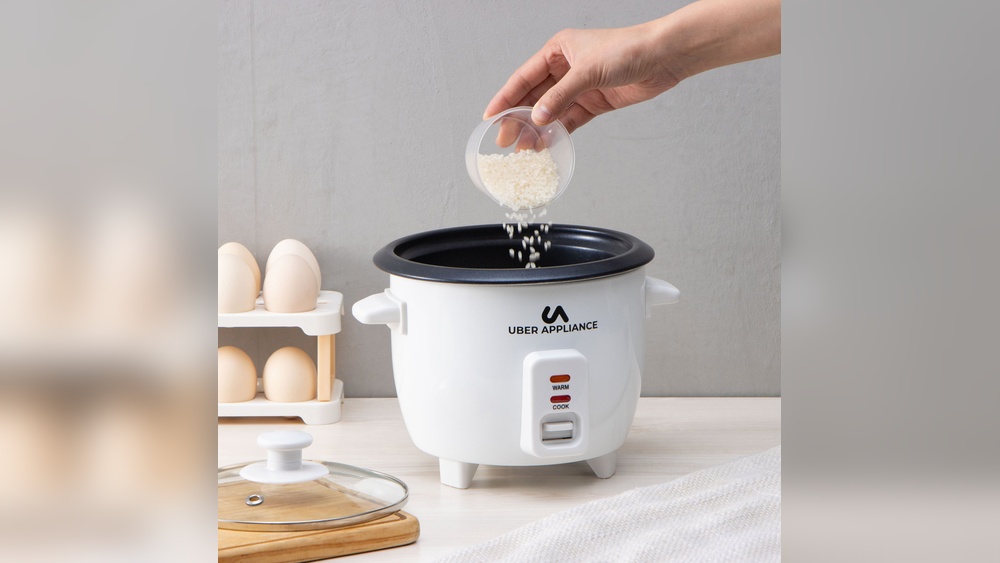
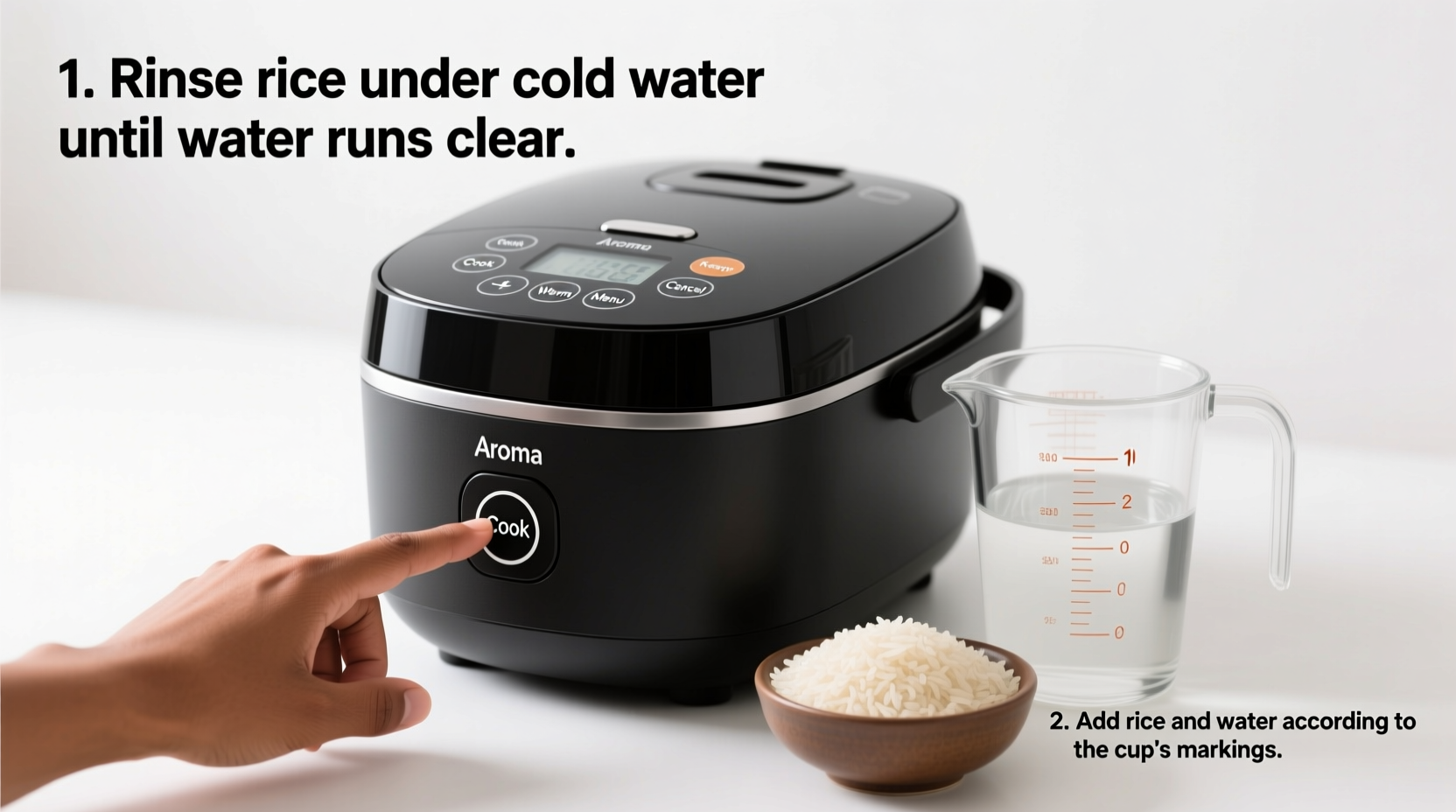
Use a standard cup to measure rice. This keeps the amount consistent each time. The right water ratio is key for soft, fluffy rice.
Most rice cooks well with one and a half to two cups of water per cup of rice. Check your rice cooker’s instructions for exact water amounts. More water makes softer rice. Less water makes firmer rice.
Rinsing And Soaking Techniques
Rinse rice under cold water to remove dust and excess starch. This stops rice from being sticky or clumpy. Swirl rice gently in water and drain it several times until water is clear.
Soaking rice for 20 to 30 minutes helps grains cook evenly. It also reduces cooking time. Drain rice well before putting it in the cooker. This step improves texture and taste.
Cooking Techniques For Perfect Rice
Cooking rice perfectly in a rice cooker is easy with the right techniques. Small changes in water, settings, and habits make big differences. These tips help you get fluffy, well-cooked rice every time. Let’s explore key ways to improve your rice cooking skills.
Using The Right Water Ratio
Water controls rice texture. Too much water makes rice mushy. Too little leaves it hard. Use the rice cooker’s measuring cup for best results. Usually, one cup of rice needs about one cup of water. Different rice types need slight water changes. For example, brown rice needs more water than white rice. Measure water carefully for consistent results.
Setting Cooking Modes
Rice cookers have different modes. Choose the mode that matches your rice type. White rice mode cooks faster and uses less water. Brown rice mode takes longer and uses more water. Some cookers have a “quick cook” mode, but it may affect texture. Use the “keep warm” function to let rice rest after cooking. This improves fluffiness without overcooking.
Avoiding Common Mistakes
Rinsing rice removes starch and prevents stickiness. Do not skip rinsing before cooking. Avoid opening the lid during cooking. This lets steam escape and affects cooking time. Do not stir rice while cooking. It breaks grains and makes rice sticky. Clean the rice cooker pot after each use to avoid burnt flavors. Follow these steps for perfect rice every time.
Enhancing Flavor And Texture
Enhancing the flavor and texture of rice in a rice cooker can make meals more enjoyable. Simple additions can turn plain rice into a tasty side dish or main ingredient. Small changes in ingredients and cooking liquids create big differences.
Adding Seasonings And Ingredients
Sprinkle salt or a pinch of sugar into the rice before cooking. This helps bring out the natural taste. Try adding spices like cinnamon, cardamom, or bay leaves for a new flavor twist. Mixing in small chopped vegetables or herbs adds freshness and color. Garlic and onion powder work well too. These seasonings blend during cooking for better taste.
Mixing In Broths And Oils
Replace water with chicken, beef, or vegetable broth to add rich flavor. The rice absorbs the broth and tastes more savory. Adding a teaspoon of olive oil or butter improves texture. It makes rice fluffier and less sticky. Oils also bring out the aroma and smooth mouthfeel. These simple changes boost both taste and mouthfeel.
Maintaining And Cleaning Your Rice Cooker
Keeping your rice cooker clean and well-maintained helps it last longer. It also keeps your rice tasting fresh and free from odors. Small daily steps and regular care make a big difference.
Daily Cleaning Tips
After each use, unplug the rice cooker and let it cool. Remove the inner pot and wash it with warm, soapy water. Use a soft sponge to avoid scratches. Wipe the inside of the cooker with a damp cloth. Clean the lid and steam vent to remove any food residue. Dry all parts completely before putting them back.
Long-term Maintenance Advice
Check the heating plate for spills or burnt rice. Clean it gently with a soft cloth and a little vinegar if needed. Avoid using harsh chemicals or abrasive tools. Inspect the power cord and plug for damage. Store the rice cooker in a dry place. Regularly check the rubber gasket and replace it if worn out. This keeps the cooker sealed and working well.
Troubleshooting Common Issues
Troubles with a rice cooker can spoil a good meal. Common problems often have simple fixes. Understanding these issues helps save time and effort. This section covers how to solve frequent rice cooker troubles.
Rice Too Sticky Or Dry
Sticky rice often means too much water was used. Use the correct water-to-rice ratio. Rinse rice before cooking to remove extra starch. This reduces stickiness.
Dry rice usually means not enough water. Add a little more water next time. Avoid opening the lid during cooking. Steam needs to stay inside for even cooking.
Rice Cooker Not Functioning Properly
Check if the cooker is plugged in correctly. Clean the heating plate and inner pot regularly. Dirt or food stuck there can stop heating.
Make sure the inner pot fits well. A loose pot can cause the cooker to stop. If the cooker still does not work, consult the manual or contact support.
:max_bytes(150000):strip_icc()/how-to-clean-a-rice-cooker-6831640-07-2e31a8c73086498da280015cb328fef5.jpg)
Credit: www.thespruce.com
Frequently Asked Questions
How Much Water Should I Add To A Rice Cooker?
Add water based on the type and amount of rice. Usually, use one cup of water for one cup of white rice. Check your rice cooker’s manual for exact measurements.
Can I Cook Other Foods Besides Rice In A Rice Cooker?
Yes, you can cook soups, steamed vegetables, and even eggs. The rice cooker heats evenly, making it versatile for many dishes.
How Do I Prevent Rice From Sticking To The Cooker?
Rinse rice before cooking to remove extra starch. Lightly oil the pot or use a non-stick rice cooker for easier cleaning.
How Long Does It Take To Cook Rice In A Rice Cooker?
Most rice cookers take about 20-30 minutes to cook white rice. Brown rice usually needs 40-50 minutes. Times vary by cooker model and rice type.
Should I Keep The Rice Cooker Lid Open Or Closed?
Keep the lid closed during cooking to trap steam and heat. Opening the lid can cause uneven cooking or longer cook times.
How Do I Clean My Rice Cooker After Use?
Unplug the cooker and let it cool. Wash the pot with warm, soapy water and wipe the outer parts with a damp cloth. Avoid immersing the main unit in water.
Conclusion
Using a rice cooker saves time and effort in the kitchen. It cooks rice evenly and keeps it warm for hours. Clean the cooker after each use to keep it working well. Experiment with different types of rice and settings.
Enjoy soft, fluffy rice every meal without stress. A rice cooker makes cooking simple and fast. Try these tips and see the difference yourself. Cooking rice has never been this easy!