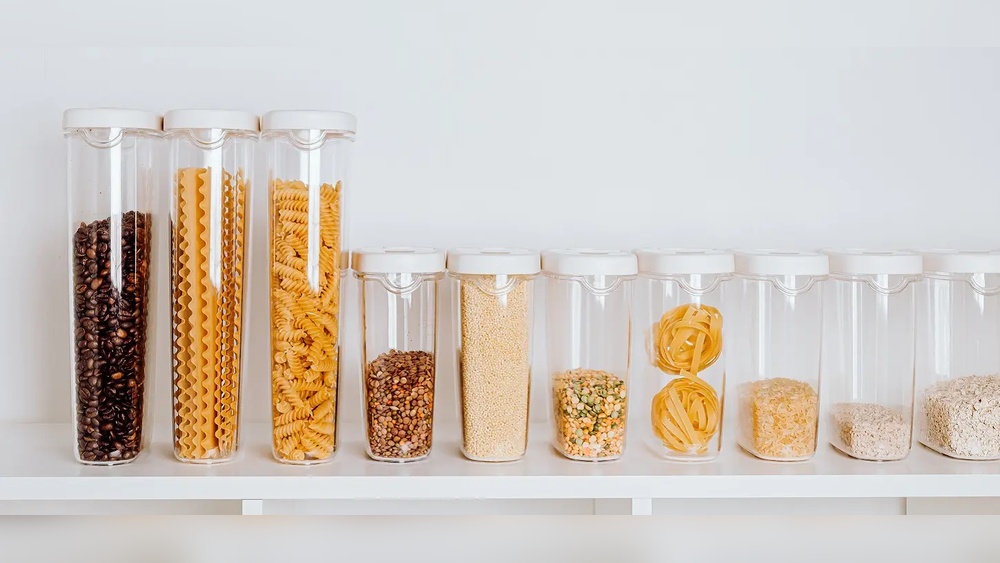
Are you tired of digging through cluttered shelves every time you need something for your kitchen? Storing your pantry staples efficiently can save you time, reduce waste, and make cooking a breeze.
Imagine opening your pantry and instantly finding exactly what you need, without the frustration. You’ll discover simple, practical tips to organize your pantry like a pro. Keep reading, and you’ll transform your kitchen into a tidy, stress-free space where everything has its place.
Assess Your Pantry Space
Assessing your pantry space is the first step to efficient storage. It helps you understand the size and shape of your available area. Knowing this allows better organization and reduces clutter. Clear your pantry before starting. This gives you a fresh look at the space.
Measure And Map Your Pantry
Take a tape measure and note the height, width, and depth of shelves. Write down measurements for each section. Draw a simple map to visualize the space. Include doors, corners, and any obstacles. This helps plan storage containers and shelf placement. Accurate measurements prevent buying items that do not fit.
Identify Problem Areas
Look for hard-to-reach spots or narrow shelves. Check for wasted vertical or horizontal space. Notice any dark or damp areas that might affect food quality. These spots may need special storage solutions. Knowing problem areas helps avoid clutter and food spoilage. Adjust your plan to make the most of the space.

Credit: www.amazon.com
Choose The Right Containers
Choosing the right containers is key to organizing your pantry well. Good containers keep food fresh and save space. They make your pantry neat and easy to use. Picking containers with useful features helps you store staples without mess.
Airtight And Stackable Options
Airtight containers keep food fresh longer. They stop air and moisture from spoiling your staples. Look for containers with secure lids that seal tightly. Stackable containers save space by fitting neatly on top of each other. They make your pantry look tidy and organized. Clear containers help you see what’s inside quickly.
Labeling For Easy Access
Labels help you find ingredients fast. Write the name and expiry date on each container. Use simple, large fonts for easy reading. Label both the lid and the side of containers. This way, you can identify items even when stacked. Labels reduce waste by reminding you what to use first.
Maximize Vertical Space
Maximizing vertical space in your pantry creates more room for staples. It helps keep items visible and easy to reach. Using the height of shelves frees up shelf surface for more storage. Simple tools can make a big difference.
Use Shelf Risers
Shelf risers add an extra layer of storage inside your pantry. Place them on existing shelves to create two levels. Store small jars or cans on top and bigger items below. This stops stacking and makes everything easier to find. Choose risers that fit your shelf size for best use.
Install Hanging Storage
Hanging storage uses the space under shelves or inside pantry doors. Hooks, racks, or baskets can hold lightweight items like spice jars or bags. This keeps counters free and pantry space open. Secure hanging storage well to avoid spills or falls. It’s a smart way to store more without crowding shelves.
Credit: www.walmart.com
Group Similar Items Together
Grouping similar pantry items together helps keep your kitchen neat and easy to use. It saves time when cooking. You find what you need fast. It also prevents buying duplicates. Organizing this way creates a clear system. Each item has a specific place. This makes restocking simpler and reduces waste.
Create Zones For Categories
Divide your pantry into zones for different types of food. For example, keep baking supplies in one area. Put canned goods in another spot. Snacks can have their own section. This helps you see all items of the same kind at once. Zones make it easier to keep track of what you have. They also help you plan meals and shopping lists.
Use Bins And Baskets
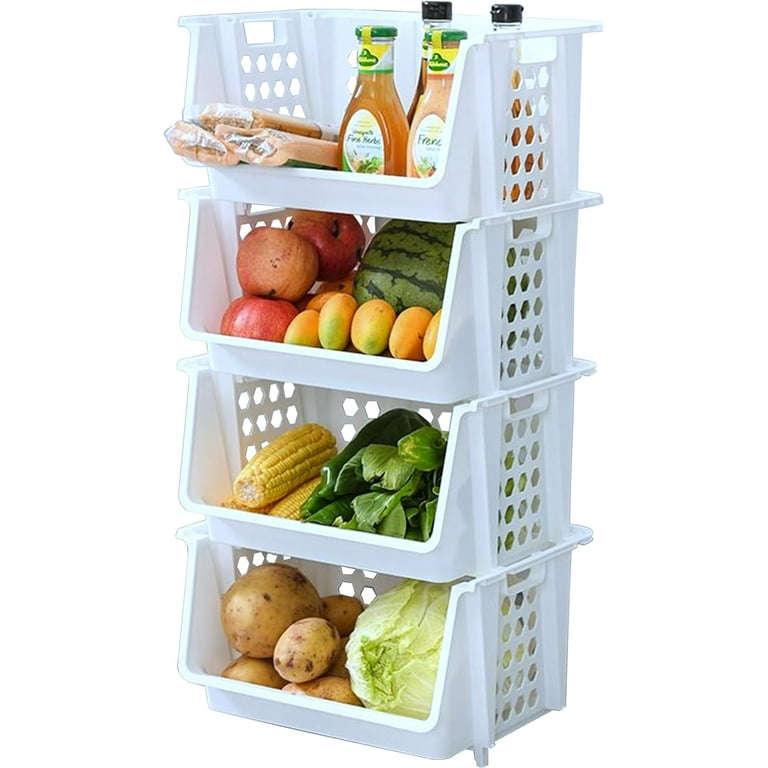
Use bins and baskets to group smaller items together. They keep things from falling over or getting lost. Label each bin clearly for quick access. Baskets also make it easy to pull out and carry items. This method keeps your pantry tidy and clutter-free. It works well for packets, spices, and snack bags.
Use Door And Wall Space
Using door and wall space is smart for small pantries. These areas often go unused. They offer extra spots to keep pantry staples organized. This keeps counters clear and makes items easy to find.
Doors and walls can hold racks, hooks, and pockets. These help store spices, snacks, and other small items. Using vertical space helps maximize storage without cluttering shelves.
Over-the-door Organizers
Over-the-door organizers fit on the back of pantry doors. They have pockets or shelves for bottles, cans, and packets. These organizers keep items visible and within reach. They free up shelf space for bigger containers. They are easy to install and remove.
Choose organizers with clear pockets to spot items fast. Use them for spices, sauces, or small snacks. Over-the-door racks can hold heavier jars or cans. This method keeps the pantry tidy and saves space.
Magnetic And Pegboard Solutions
Magnetic strips stick to metal surfaces on pantry walls. They hold spice jars, knives, or small metal tools. Magnets keep items secure and easy to grab. This method saves shelf space and keeps counters clear.
Pegboards offer flexible storage with hooks and shelves. Hang baskets, utensils, or small containers on them. Pegboards allow easy rearrangement as storage needs change. They add a neat and organized look to your pantry walls.
Implement Rotational Systems
Implementing a rotational system helps keep your pantry organized and reduces waste. It ensures older items get used before newer ones. This system keeps food fresh and your pantry tidy. It also saves money by preventing expired products.
First In, First Out Method
The First In, First Out (FIFO) method means using older items first. Place new groceries behind older products on shelves. This way, you always grab the oldest food first. It works well with canned goods, grains, and spices. Label shelves or containers with dates to track items easily.
Regularly Check Expiry Dates
Check expiry dates every week or two. Remove expired items immediately to avoid confusion. Rearrange products as needed to keep the oldest items in front. Use clear storage containers to see dates quickly. This habit keeps your pantry safe and fresh.
Optimize Small Or Narrow Pantries
Small or narrow pantries can feel tight and cluttered. Proper organization makes a big difference. Smart storage tools help use every inch well. This keeps pantry staples easy to find and reach. Clear spaces make cooking quicker and less stressful.
Pull-out Drawers
Pull-out drawers fit perfectly in narrow spaces. They slide out smoothly to show all items at once. No more digging in deep shelves. Drawers keep cans, jars, and packets neat and visible. Choose clear or wire drawers for better sight. Label the front for quick identification. This setup saves space and time.
Slim Storage Carts
Slim storage carts fit in tight gaps. Wheels let you move them easily around the kitchen. Use carts to store spices, snacks, or baking supplies. They keep small items organized and easy to grab. Carts with multiple tiers hold a lot without crowding. This flexible option adapts to your pantry’s shape.
Maintain Cleanliness And Order
Keeping your pantry clean and organized helps you find items fast. It also keeps food fresh and safe to eat. A tidy pantry saves space and reduces waste. Small daily habits make a big difference in pantry upkeep.
Routine Cleaning Tips
Set a schedule for cleaning your pantry regularly. Wipe shelves with a damp cloth to remove dust and spills. Use mild soap if needed. Check for expired or stale foods and throw them out. Keep floors clean to avoid pests. Clean containers before refilling them. This prevents crumbs and mold buildup.
Declutter Regularly
Clear out items you no longer use. Group similar products together for easy access. Use clear containers to see contents quickly. Donate unopened, unexpired food to reduce clutter. Avoid buying duplicates by checking what you have. Keeping only what you need creates space and order.
Frequently Asked Questions
How Can I Keep Pantry Staples Fresh Longer?
Store pantry staples in airtight containers to block moisture and air. Keep them in a cool, dark place away from heat. This helps maintain flavor and quality.
What Are The Best Containers For Pantry Storage?
Use clear glass or BPA-free plastic containers with tight lids. They keep food fresh and let you see contents easily. Stackable containers save space too.
How Should I Organize Pantry Staples Efficiently?
Group items by type, like grains, spices, and canned goods. Label containers for quick identification. Use shelves and baskets to keep everything neat.
Can I Store Dry And Wet Pantry Items Together?
Dry and wet items should be stored separately to avoid spoilage. Wet items need refrigeration or sealed jars. Dry goods do better in a dry, cool place.
Conclusion
Storing pantry staples well saves time and reduces waste. Use clear containers to see what you have quickly. Label items with dates to keep food fresh longer. Keep similar items together for easy access. Rotate older goods to the front to use them first.
A tidy pantry makes cooking easier and more fun. Small changes create big benefits in your kitchen. Start organizing today for a smoother cooking routine tomorrow.