Your wooden utensils are more than just kitchen tools—they’re part of your daily cooking routine. But do you know the best way to keep them truly clean and safe?
If you’ve ever wondered how to disinfect wooden utensils without damaging them, you’re in the right place. You’ll discover simple, effective methods that protect your utensils and keep your meals healthy. Keep reading to find out how easy it is to care for your wooden kitchenware the right way.

Credit: www.youtube.com
Why Disinfect Wooden Utensils
Wooden utensils are common in many kitchens. They look nice and feel good to hold. But wood can also hide germs. These germs can cause sickness if not cleaned properly. Disinfecting wooden utensils keeps them safe to use. It helps protect your health and your family’s health.
Risks Of Bacteria On Wood
Wood is porous. It has tiny holes that can trap food particles. These particles can hold bacteria and germs. Bacteria like Salmonella and E. coli can grow on wood. They can spread to your food. This can cause food poisoning. Washing alone may not remove all bacteria. Disinfecting wooden utensils helps kill these harmful germs.
Benefits Of Proper Cleaning
Cleaning wooden utensils well keeps them in good shape. It stops bad smells and stains from forming. Disinfecting removes bacteria and other germs. This lowers the chance of illness. Proper care also makes wooden utensils last longer. You save money by not replacing them often. Safe, clean utensils make cooking safer and more pleasant.

Credit: www.wikihow.com
Daily Cleaning Tips
Daily cleaning keeps wooden utensils safe and long-lasting. Dirt and germs build up quickly on wood. Cleaning them well stops bacteria growth. It also protects the wood from damage. Simple daily steps make a big difference.
Washing Techniques
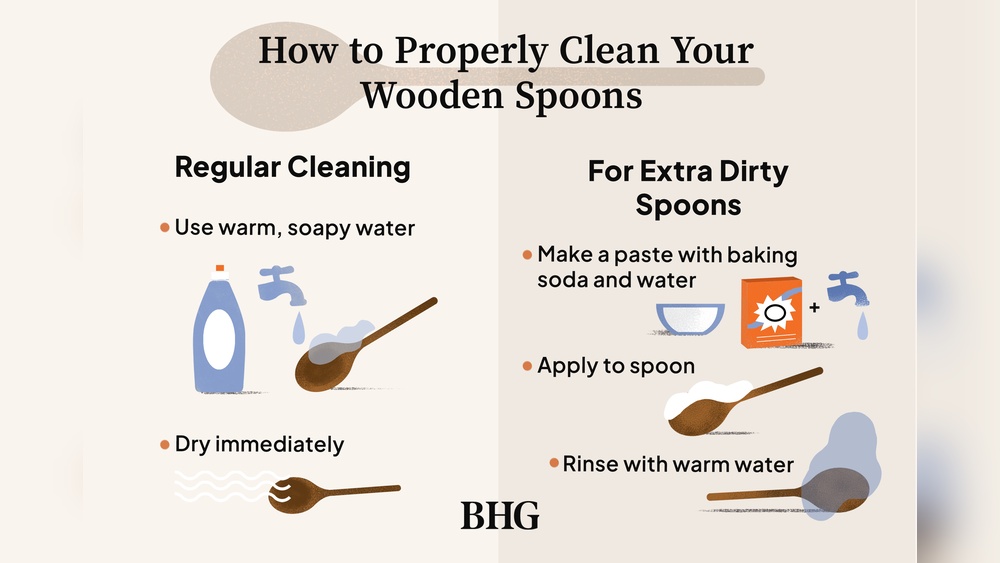
Use warm water and mild soap to wash wooden utensils. Avoid soaking them for a long time. Soaking can cause the wood to crack. Clean all sides carefully with a soft sponge. Rinse well to remove all soap. Do not use harsh chemicals or dishwashers.
Drying Methods
Dry wooden utensils immediately after washing. Use a clean towel to wipe off water. Let them air dry in a well-ventilated place. Avoid leaving them in damp or closed areas. Proper drying prevents mold and warping. Store them only when fully dry.
Safe Disinfecting Solutions
Disinfecting wooden utensils is important to keep them clean and safe. Using safe solutions protects the wood and removes germs. These natural options work well without harsh chemicals. They help maintain the wood’s quality and extend its life.
Vinegar And Water
Mix equal parts of white vinegar and water. Dip a clean cloth in the solution and wipe the utensils. Vinegar kills many germs and is gentle on wood. Let the utensils air dry after wiping. This method is simple and effective for daily cleaning.
Lemon Juice Use
Lemon juice is a natural disinfectant and deodorizer. Rub half a lemon on the wooden surface. Leave it for five minutes to work on germs. Rinse with warm water and dry well. Lemon juice also helps remove stains and smells from the wood.
Hydrogen Peroxide Options
Use a 3% hydrogen peroxide solution for disinfecting. Apply it with a spray bottle or cloth to the utensil. Let it sit for a few minutes to kill bacteria. Rinse thoroughly with water and dry completely. This method is strong but safe when used properly.
Deep Disinfection Methods
Deep disinfection of wooden utensils is important to keep them safe and clean. Simple washing may not remove all germs and stains. Using natural methods helps protect the wood and kill bacteria effectively. These methods are easy and use common household items.
Salt Scrubbing
Salt scrubbing is a natural way to clean wooden utensils deeply. Sprinkle coarse salt on the utensil surface. Use half a lemon to scrub the salt into the wood. The salt works as a gentle scrub, removing dirt and bacteria. Lemon’s acidity helps kill germs and freshen the wood. Rinse with warm water and dry the utensil well.
Baking Soda Paste
Baking soda paste is another safe option for disinfection. Mix baking soda with a little water to make a thick paste. Apply the paste on the wooden utensil and rub gently. Baking soda removes stains and odors while killing bacteria. Let it sit for a few minutes before rinsing with warm water. Dry the utensil completely after cleaning.
Sunlight Exposure
Sunlight exposure is a natural disinfectant for wooden utensils. After washing, place the utensils in direct sunlight for a few hours. Sunlight helps kill bacteria and dries out moisture that can cause mold. This method also keeps the wood fresh and odor-free. Avoid leaving utensils in sunlight too long to prevent cracking.
Avoiding Damage To Wood
Wooden utensils need careful cleaning. Strong chemicals and rough scrubbing can harm the wood. Avoiding damage keeps the utensils safe and lasting longer. Treat wood gently to keep its natural beauty and strength.
What Not To Use
Never use bleach or harsh chemicals on wooden utensils. These substances can dry out the wood and cause cracks. Avoid soaking wood in water for long periods. Do not clean with metal scrubbers or abrasive pads. These tools scratch and weaken the surface.
Maintaining Wood Quality
Clean wooden utensils with mild soap and warm water. Dry them quickly with a soft towel after washing. Apply mineral oil or beeswax regularly to keep wood hydrated. Store utensils in a dry place away from direct sunlight. Proper care helps prevent warping and splitting over time.
Storage Tips For Hygiene
Storing wooden utensils correctly keeps them clean and safe for use. Proper storage stops bacteria and mold from growing. It also helps the wood last longer and stay strong.
Proper Ventilation
Wood needs air to stay dry and fresh. Store utensils in a place with good airflow. Avoid closed containers that trap moisture. Use open racks or holders that let air move freely. This prevents dampness and keeps wood healthy.
Avoiding Moisture Build-up
Moisture causes wood to crack or grow mold. Always dry utensils completely before storing. Use a clean towel to remove water drops. Never put wet utensils in drawers or boxes. Keep the storage area dry and clean for best results.
When To Replace Wooden Utensils
Wooden utensils need care to stay safe and useful. Over time, they wear out and can become unsafe for cooking. Knowing when to replace them helps keep your kitchen clean and healthy. Watch for signs that your wooden utensils are no longer good for use.
Signs Of Wear And Tear
Cracks or splits in the wood trap food and bacteria. Deep scratches make cleaning hard. Dark stains or rough spots show damage. Warped or broken handles reduce safety. Loose parts can cause accidents. These signs mean it is time to replace your utensils.
Health Considerations
Old wooden utensils may harbor harmful germs. Bacteria grow in cracks and pores. This can cause food poisoning or infections. Mold can develop on damp wood. Cleaning cannot always remove these risks. Using fresh utensils helps protect your health.
:max_bytes(150000):strip_icc()/Spruce_Are_Wooden-Spoons_Sanitary_909328_V3-7e6835ff5d5b435e8b42a44573aa6f37.png)
Credit: www.thespruceeats.com
Frequently Asked Questions
How Often Should I Disinfect Wooden Utensils?
Disinfect wooden utensils after every use to stop bacteria and keep them safe for food.
What Is The Safest Way To Disinfect Wooden Utensils?
Use a mix of vinegar and water or mild soap to clean wooden utensils safely.
Can I Use Bleach To Disinfect Wooden Utensils?
Avoid bleach; it can damage wood and leave harmful residues on utensils.
Conclusion
Cleaning wooden utensils keeps them safe and lasts longer. Use mild soap and warm water for daily washing. Disinfect with natural solutions like vinegar or baking soda. Avoid soaking wood too long to prevent damage. Dry utensils well to stop bacteria growth.
Regular care helps maintain wood’s quality and hygiene. Simple steps make your kitchen healthier every day. Take time to clean and disinfect your wooden tools. Your food will taste better and stay safe. Small efforts lead to big health benefits.
Keep wooden utensils fresh and ready to use.