If you use silicone utensils in your kitchen, you know how handy and durable they are. But do you ever wonder if you’re cleaning them the right way?
Proper cleaning not only keeps your utensils looking new but also ensures they stay safe and free from harmful residues. You’ll discover simple, effective steps to clean your silicone utensils thoroughly. Keep reading to learn easy tricks that will save you time and keep your kitchen tools spotless every time.
Credit: www.zulaykitchen.com
Why Clean Silicone Utensils Matter
Cleaning silicone utensils is very important for your health and kitchen hygiene. Silicone is safe and durable, but it can trap food and bacteria if not cleaned properly. This can cause bad smells and affect the taste of your food.
Proper cleaning helps keep your utensils looking new and working well for a long time. Dirty utensils can also spread germs and cause illness. Clean utensils protect your family and make cooking more enjoyable.
Prevents Bacteria Growth
Silicone can hold tiny food particles. These particles can breed bacteria if not removed. Cleaning removes germs and keeps utensils safe to use.
Maintains Utensil Quality
Regular cleaning stops stains and discoloration. It keeps the silicone soft and flexible. This extends the life of your utensils.
Improves Food Taste
Leftover food on utensils can change the flavor of your dishes. Clean utensils ensure pure and fresh taste every time.
Reduces Odors
Food residue can cause bad smells. Cleaning silicone utensils removes these odors quickly. Your kitchen stays fresh and pleasant.
Credit: www.unileverprofessional.co.za
Common Stains On Silicone Utensils
Silicone utensils are popular in many kitchens. They are flexible, heat resistant, and easy to use. But stains can appear on them after cooking. These stains often come from common kitchen messes. Knowing about these stains helps clean utensils better.
Food Residue
Food residue is the most common stain on silicone utensils. Small bits of food can stick to the surface. Over time, these bits harden and become tough to remove. This happens especially with sticky or sugary foods. Cleaning soon after use can stop residue buildup.
Grease And Oil
Grease and oil leave a shiny, sticky layer on silicone tools. This film attracts dirt and dust. It can make utensils look dull or dirty. Regular washing with warm water and soap breaks down grease well. Avoid harsh scrubbing to keep silicone smooth.
Discoloration
Discoloration happens when utensils touch strong colors or heat. Foods like tomato sauce or curry can stain silicone. Heat can also cause the material to change color. Soaking utensils in baking soda or vinegar helps remove stains. Sunlight drying can restore their look too.
Basic Cleaning Supplies Needed
Cleaning silicone utensils is simple with the right supplies. These tools help remove food and stains easily. Using gentle products keeps your utensils safe and in good shape. Here are the basic cleaning supplies needed for the best results.
Dish Soap
Dish soap is essential for cleaning silicone utensils. It removes grease, oil, and food particles effectively. Choose a mild, fragrance-free soap to protect the silicone surface. A few drops in warm water make a perfect cleaning solution.
Soft Sponges
Soft sponges clean without scratching the silicone. They reach into curves and crevices gently. Avoid abrasive scrubbers that can damage the utensils. Use a soft sponge with soap and water for daily cleaning.
Baking Soda
Baking soda acts as a natural cleaner and deodorizer. It helps remove stains and lingering smells from silicone utensils. Sprinkle a little baking soda on the sponge or directly on the utensil. Rub gently, then rinse well with warm water.
Step-by-step Cleaning Process
Cleaning silicone utensils properly keeps them safe and long-lasting. Follow these simple steps to remove grease and stains effectively. The process is easy and quick.
Soaking In Warm Water
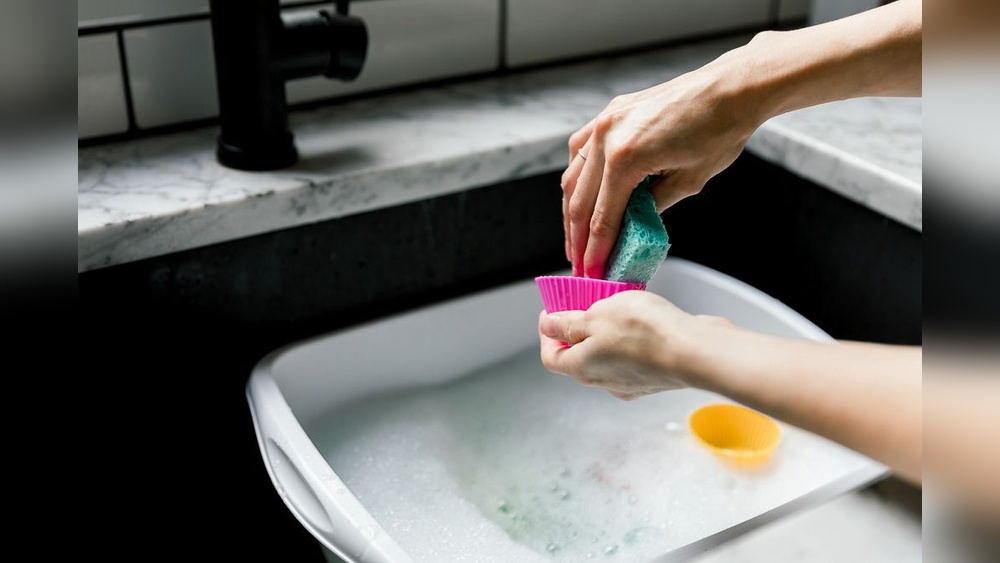
Fill a bowl with warm water. Add a few drops of mild dish soap. Place the silicone utensils in the water. Let them soak for 10 to 15 minutes. This helps loosen food particles and grease.
Scrubbing Gently
Use a soft sponge or cloth to scrub the utensils. Focus on areas with stuck-on food. Avoid abrasive scrubbers that can damage silicone. Clean all sides carefully to remove dirt and stains.
Rinsing Thoroughly
Rinse each utensil under running water. Make sure all soap is washed away. Check for any leftover food or grease. Dry with a clean towel or let air dry completely.
Removing Tough Stains And Odors
Silicone utensils can hold onto stains and odors after cooking. Removing these marks keeps your kitchen tools fresh and safe to use. Simple home methods help clean deep stains and remove smells without harsh chemicals.
Using Baking Soda Paste
Baking soda works well on tough stains. Make a paste with baking soda and water. Rub the paste on the stained areas. Let it sit for 15 to 20 minutes. Then scrub gently with a soft brush or sponge. Rinse the utensil with warm water. Repeat if stains remain.
Lemon And Vinegar Treatment
Lemon and vinegar break down odors and stains naturally. Squeeze fresh lemon juice over the utensil. Pour white vinegar on top of the lemon juice. Let it soak for 10 to 15 minutes. Scrub softly to lift stains and smells. Rinse thoroughly with warm water. This method leaves a fresh scent.
Sun Drying
Sunlight helps remove lingering odors. After washing, place utensils outside in direct sunlight. Leave them for a few hours. The sun’s UV rays kill bacteria causing smells. It also brightens the silicone surface. Make sure utensils dry completely before storing.
Dishwasher Safety Tips
Silicone utensils are popular because they resist heat and are easy to clean. Using a dishwasher saves time and effort. Still, some care is needed to keep these utensils safe and in good shape.
Follow simple dishwasher safety tips to protect your silicone tools. This helps them last longer and stay clean without damage.
Place Utensils On The Top Rack
Put silicone utensils on the dishwasher’s top rack only. The bottom rack gets hotter, which can harm silicone. The top rack keeps utensils away from the heating element.
Avoid High-heat Drying Cycles
Choose a gentle or air-dry setting. High heat can warp or melt silicone. Let utensils dry naturally when possible.
Use Mild Detergents
Pick dishwasher detergents without harsh chemicals. Strong detergents can break down silicone over time. Mild soaps clean well without damage.
Check For Food Residue Before Washing
Scrape off leftover food before placing utensils in the dishwasher. Large bits can block water flow and reduce cleaning power. Clean utensils come out spotless.
Separate Silicone From Sharp Objects
Keep silicone utensils away from knives and metal tools. Sharp edges can cut or scratch the silicone surface. Place them in separate compartments or holders.
Maintaining Silicone Utensils For Longevity
Maintaining silicone utensils properly extends their life and keeps them safe to use. Silicone is durable but needs care to avoid damage. Simple steps help preserve their look and function. Follow these tips to keep your utensils clean and lasting longer.
Avoiding Abrasive Cleaners
Abrasive cleaners can scratch silicone surfaces. Scratches trap food and germs. Use mild soap and soft sponges instead. Avoid steel wool or rough brushes. Gentle cleaning protects the utensil’s texture and color.
Proper Storage
Store silicone utensils away from sharp objects. Sharp edges can cut or tear them. Keep utensils in a dry place to prevent mold. Hanging or placing them in a utensil holder works well. Proper storage keeps utensils safe and ready to use.
Regular Inspection
Check utensils regularly for cracks or tears. Damaged silicone can harbor bacteria. Replace any utensil showing signs of wear. Regular inspection ensures safe and clean cooking tools.

Credit: www.fooddocs.com
Frequently Asked Questions
How Do I Remove Stains From Silicone Utensils?
Use warm soapy water and a soft sponge to scrub stains gently. For tough stains, soak utensils in baking soda and water for 30 minutes. Rinse well and dry completely.
Can Silicone Utensils Go In The Dishwasher?
Yes, most silicone utensils are dishwasher safe. Place them on the top rack to avoid heat damage. Check the manufacturer’s instructions for best results.
What Is The Best Way To Dry Silicone Utensils?
Air drying is the safest method to prevent moisture build-up. You can also wipe them with a clean, dry cloth. Make sure they are fully dry before storing.
How Often Should Silicone Utensils Be Cleaned?
Clean silicone utensils after every use to avoid food residue and bacteria. Regular cleaning keeps them safe and extends their life. Simple soap and water work well.
Conclusion
Cleaning silicone utensils is simple with the right steps. Use warm water and mild soap to remove food residue. Avoid harsh scrubbing to keep the silicone smooth. Dry them well to stop any mold or smell. Regular cleaning keeps your utensils safe and lasting longer.
Keep these tips in mind for easy and effective cleaning. Your kitchen tools will stay fresh and ready to use every day. Simple care makes a big difference.