Are you tired of using harsh chemicals to clean your kitchen? What if you could make your own cleaning spray that’s safe, effective, and affordable?
You’ll discover easy homemade cleaning spray recipes that use simple ingredients you probably already have. These sprays will not only keep your kitchen sparkling clean but also protect your family from harmful toxins. Keep reading to find out how you can transform your cleaning routine and create a healthier home environment today!
Natural Ingredients To Use
Natural ingredients make excellent cleaning agents for your kitchen. They are safe, affordable, and effective. Using these ingredients reduces exposure to harsh chemicals found in many store-bought sprays.
These simple items are easy to find and use. They clean well without damaging surfaces or leaving strong smells behind. Let’s explore some common natural ingredients you can use in homemade cleaning sprays.
Vinegar Benefits
Vinegar is a popular natural cleaner. It kills bacteria and cuts through grease easily. Its acidity helps remove stains and mineral build-up. Vinegar also deodorizes and brightens surfaces in your kitchen.
Use white distilled vinegar for the best results. Avoid using vinegar on stone surfaces like granite, as it can cause damage.
Baking Soda Power
Baking soda is a gentle abrasive cleaner. It scrubs away dirt without scratching surfaces. It also neutralizes odors and helps lift stains. Mixing baking soda with water creates a paste for tough spots.
This ingredient is safe to use on sinks, countertops, and ovens. It works well with vinegar to boost cleaning strength.
Essential Oils Role
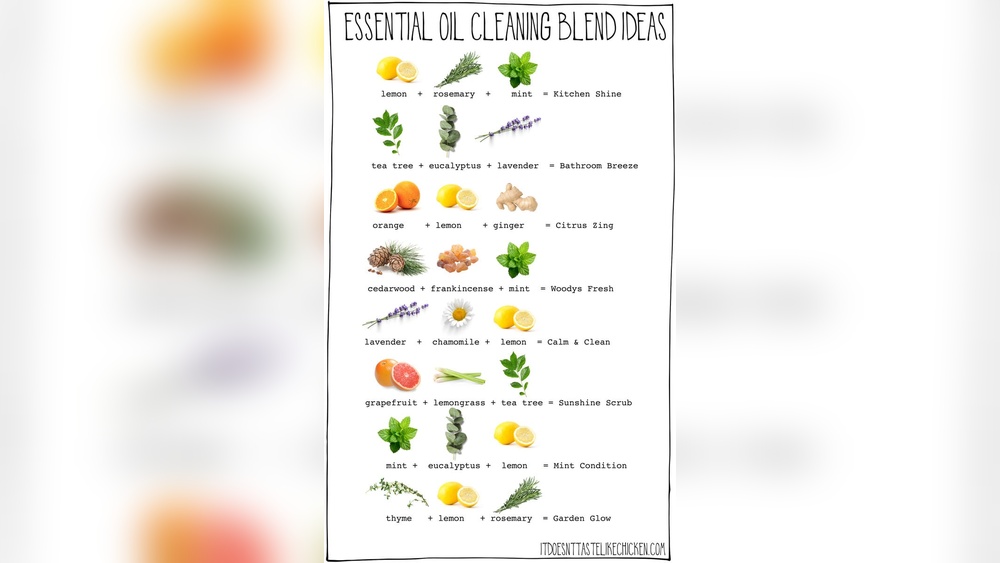
Essential oils add natural fragrance and extra cleaning power. Oils like tea tree, lavender, and lemon have antibacterial properties. They help kill germs and leave your kitchen smelling fresh.
Only a few drops are needed per spray bottle. Essential oils also help mask the strong smell of vinegar.
Lemon Juice Uses
Lemon juice is a natural bleach and deodorizer. Its acidity cuts through grease and grime. It helps remove stains and leaves surfaces shiny. Lemon juice also fights bacteria and mold.
Use fresh lemon juice or bottled lemon juice for cleaning. Avoid direct sunlight after applying lemon juice to prevent discoloration.
Credit: www.sustainablylazy.com
Basic Cleaning Spray Recipes
Basic cleaning spray recipes are simple and effective for kitchen use. They help keep surfaces fresh and clean without harsh chemicals. These recipes use common ingredients you likely have at home. Safe for many surfaces, they save money and reduce waste.
Try these easy recipes to maintain your kitchen daily. Each spray serves a different cleaning need. Choose the one that fits your task.
All-purpose Cleaner
Mix 1 cup water with 1 cup white vinegar in a spray bottle. Add 10 drops of lemon essential oil for freshness. Shake well before each use. Spray on counters, sinks, and cabinets. Wipe with a clean cloth to remove dirt and germs.
Glass And Mirror Spray
Combine 2 cups water with 1/4 cup rubbing alcohol in a spray bottle. Add 1 tablespoon white vinegar. Shake gently to mix. Spray on glass or mirrors and wipe with a lint-free cloth. This blend leaves surfaces streak-free and shiny.
Degreaser Mix
Fill a spray bottle with 1 cup hot water and 2 tablespoons baking soda. Add 1/4 cup white vinegar slowly to avoid fizzing over. Shake gently. Spray on greasy stovetops or oven surfaces. Let sit for 5 minutes, then scrub and rinse clean.
Specialty Kitchen Sprays
Specialty kitchen sprays help keep your kitchen clean and fresh. These sprays target specific surfaces and problems. They work better than general cleaners for certain tasks. Making your own sprays saves money and avoids harsh chemicals. Let’s explore three easy recipes for your kitchen needs.
Disinfectant Spray
This spray kills germs on surfaces like cutting boards and sinks. Mix 1 cup water with 1/2 cup white vinegar. Add 10 drops tea tree oil for extra germ-fighting power. Pour into a spray bottle. Spray on surfaces and let sit for 10 minutes before wiping.
Stainless Steel Cleaner
Keep your appliances shiny and streak-free. Combine 1/2 cup water, 1/2 cup white vinegar, and 1 teaspoon olive oil. Shake well and spray on stainless steel surfaces. Wipe with a soft cloth in the direction of the grain for a sparkling finish.
Countertop Freshener
Refresh your kitchen counters with a pleasant scent. Mix 1 cup water, 1 tablespoon baking soda, and 10 drops lemon essential oil. Shake before use. Spray on countertops and wipe clean. This spray removes odors and light stains easily.

Credit: loveleafco.com
Tips For Safe Use And Storage
Using homemade cleaning sprays in the kitchen is smart and eco-friendly. Safety matters most when handling and storing these sprays. Follow simple tips to keep your home safe and your sprays effective. Proper care helps avoid accidents and keeps sprays working well for longer.
Proper Labeling
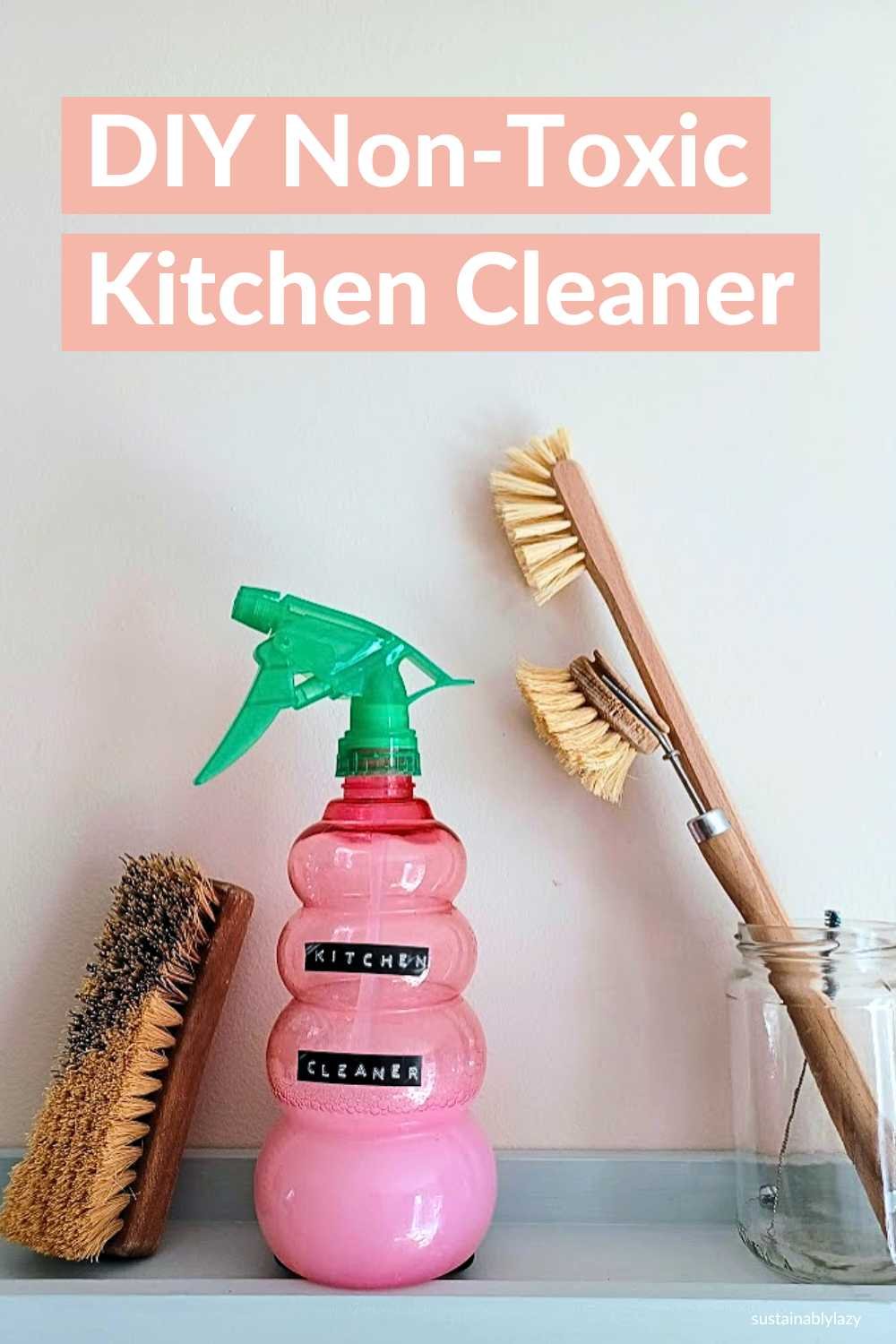
Always label your spray bottles clearly. Write the ingredients and the date you made the spray. Use waterproof markers or printed labels. Labels prevent mix-ups and keep everyone safe. Never store sprays in unmarked containers. Clear labels help avoid accidental use on food or skin.
Shelf Life Expectations
Homemade sprays do not last forever. Most sprays keep well for one to two weeks. Some sprays with vinegar or alcohol may last longer. Watch for changes in smell, color, or texture. If any change happens, make a fresh batch. Using old sprays can reduce cleaning power and cause harm.
Avoiding Chemical Reactions
Do not mix sprays with other cleaners. Some ingredients can create harmful gases or damage surfaces. Keep sprays away from heat and sunlight. Store sprays in a cool, dry place. Use clean containers and avoid metal bottles. Safe storage stops unwanted reactions and keeps sprays stable.
Eco-friendly Cleaning Practices
Eco-friendly cleaning practices help protect our planet and keep kitchens safe. Using homemade cleaning sprays reduces harmful chemicals and waste. These practices support a cleaner home and a healthier environment.
Reducing Waste
Homemade sprays cut down on plastic waste from store-bought products. You use fewer single-use containers. Mixing your own cleaner means buying ingredients in bulk. This approach lowers trash and pollution.
Reusable Bottles
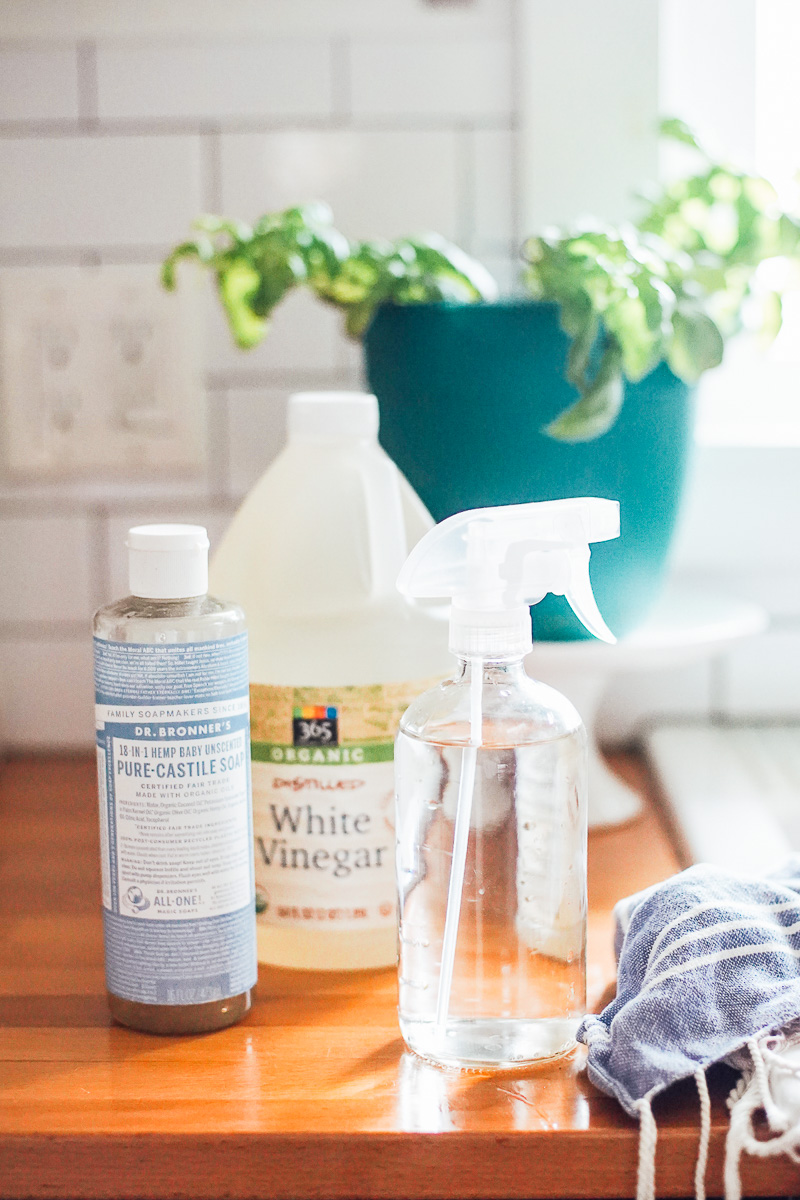
Reuse spray bottles instead of throwing them away. Glass or sturdy plastic bottles work best. Refillable bottles last longer and save money. Label each bottle for easy use and safety.
Non-toxic Benefits
Homemade sprays use simple, natural ingredients. These are safer for your family and pets. They avoid harsh chemicals found in many cleaners. Non-toxic sprays reduce allergies and skin irritation. They keep indoor air fresh and healthy.
Credit: livesimply.me
Frequently Asked Questions
What Ingredients Are Best For Homemade Kitchen Cleaning Sprays?
Vinegar, water, baking soda, and essential oils work well. These natural items clean grease and grime effectively without harsh chemicals.
How Do I Make A Safe Spray For Kitchen Surfaces?
Mix equal parts water and vinegar in a spray bottle. Add a few drops of essential oil for scent and extra cleaning power.
Can Homemade Sprays Remove Tough Kitchen Stains?
Yes, sprays with baking soda and vinegar can break down tough stains. Let the spray sit for a few minutes before wiping.
How Often Should I Use Homemade Cleaning Sprays In The Kitchen?
Use homemade sprays daily or after cooking to keep surfaces clean. Regular use prevents dirt and germs from building up.
Are Homemade Cleaning Sprays Safe For All Kitchen Surfaces?
Most sprays are safe for countertops, sinks, and appliances. Avoid vinegar on natural stone like granite, as it may damage the surface.
How Do I Store Homemade Cleaning Sprays Properly?
Store sprays in dark, cool places to keep them fresh. Use clean spray bottles and label them clearly for safety.
Conclusion
Making your own kitchen cleaning sprays saves money and reduces chemicals. These recipes use common ingredients found at home. They clean surfaces well and smell fresh. You control what goes into your sprays. Try different mixes to find your favorite scent and strength.
Homemade sprays help keep your kitchen safe and tidy. Simple, natural, and effective. Give them a try today.