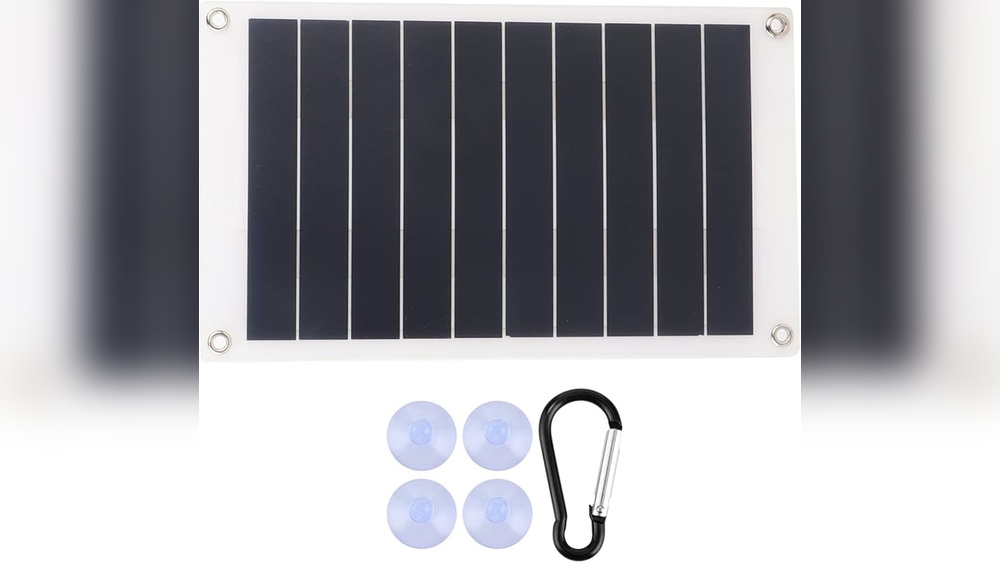
Are you tired of your devices running out of battery when you’re far from a power outlet? Imagine having a reliable way to keep your phone, camera, or tablet charged no matter where you go.
Solar chargers promise just that, but do they really work well for travel? You’ll discover how effective solar chargers are, what to look for, and whether they can truly keep your gadgets powered during your adventures. Keep reading to find out if a solar charger is the travel companion you’ve been missing.
How Solar Chargers Work
Solar chargers turn sunlight into power for your devices. They capture energy from the sun and change it into electricity. This process makes charging possible without traditional power sources. Understanding how they work helps travelers use them better.
Basics Of Solar Energy
Solar energy comes from sunlight. Solar panels have cells that absorb light. These cells create electrical currents from sunlight. This power is clean and renewable. It does not pollute or run out during the day.
Types Of Solar Chargers
There are several types of solar chargers. Some are small and portable, perfect for phones. Others are larger for laptops or multiple devices. Foldable chargers are easy to carry and use outdoors. Each type fits different travel needs.
Key Components
Solar chargers have key parts. The solar panel collects sunlight. A battery stores the power for later use. A charge controller manages the flow of electricity. These parts work together to charge your device safely.
Benefits For Travelers
Solar chargers offer many benefits for travelers. They provide a reliable way to keep devices charged during trips. This is useful for camping, hiking, or long journeys.
Using solar power means travelers can stay connected without searching for power outlets. This adds freedom and peace of mind on the road.
Portability And Convenience
Solar chargers are lightweight and easy to carry. Many models fold into small sizes that fit in backpacks. This makes them perfect for travel.
They work outdoors anywhere the sun shines. No need to carry heavy batteries or find power sources. Just place the charger in sunlight and let it work.
Eco-friendly Power Source
Solar chargers use clean energy from the sun. This helps reduce pollution and carbon footprint. Travelers can enjoy nature while protecting it.
No fuel or electricity is needed. This makes solar chargers a green choice for powering devices.
Cost Savings On The Road
Charging devices with solar power cuts down on electricity costs. No need to pay for public charging stations or buy batteries.
This saves money during long trips. Solar chargers provide free energy after the initial purchase.
Limitations To Consider
Solar chargers offer many benefits for travelers. They use sunlight to power devices without electricity. Yet, some limits affect their use. Knowing these helps set the right expectations. Travel plans can be smoother with this knowledge.
Weather Dependency
Solar chargers need sunlight to work well. Clouds, rain, or shade reduce their power. In bad weather, charging can be very slow or stop. Travelers in cloudy regions may find them less useful. Planning for backup charging options is wise.
Charging Speed Variations
Charging speed changes with sunlight intensity. Bright sun means faster charging. Weak or indirect light means slower charging. Different solar chargers also vary in speed. Some take hours to charge small devices. Fast charging is not always possible outdoors.
Device Compatibility Issues
Not all devices work well with solar chargers. Some need specific voltage or connectors. Older or rare devices might not charge properly. Using the right cables and adapters is important. Check device needs before relying on solar power.
Choosing The Right Solar Charger
Choosing the right solar charger is key for a smooth travel experience. The perfect charger fits your needs and travel style. It powers your devices without adding extra hassle. A few important points can guide your choice. Focus on power needs, size, weight, and durability.
Assessing Power Needs
Think about the devices you will charge. Small gadgets like phones need less power than laptops. Check the battery size of your devices. Match the solar charger’s output to your devices’ needs. Higher wattage chargers charge faster but may be bigger. Choose a charger that can handle all your devices.
Size And Weight Factors
Travel means carrying your gear all day. A bulky charger adds extra weight and takes space. Look for lightweight and compact models. Foldable solar panels save space in your bag. Consider how much room you have and the weight you can carry. Balance power output with portability for best results.
Durability And Build Quality
Travel exposes gear to rough conditions. A strong charger lasts longer in rain, dust, or drops. Check for water resistance and rugged materials. Sturdy chargers handle outdoor adventures better. Read reviews for real-world durability reports. Choose a charger built to survive your travel challenges.
Using Solar Chargers Effectively
Using solar chargers effectively can make a big difference during travel. These devices depend on sunlight to power your gadgets. Proper use helps you get the most energy in less time. Understanding how to place, time, and care for your charger boosts its performance.
Optimal Placement And Angles
Place your solar charger where sunlight hits directly. Avoid shade from trees, tents, or buildings. The sun moves, so adjust the angle often. Aim the panels toward the sun for the best power. Flat surfaces work, but tilting toward the sun works better.
Managing Charging Times
Charge devices during peak sunlight hours, usually late morning to early afternoon. Longer charging times help fill batteries fully. Avoid charging in cloudy or rainy weather as power drops. Use your device less while charging to save energy.
Maintaining Your Charger
Keep the solar panels clean by wiping off dust and dirt. Dirty panels reduce the energy collected. Store the charger in a dry place when not in use. Check cables and connectors for damage before each trip. Proper care extends your charger’s life and keeps it reliable.
Popular Models For Travel
Solar chargers are popular for travel because they offer power without wires or plugs. Many models fit different needs, from budget to high capacity. Choosing the right one can make your trip easier and keep your devices charged.
Budget-friendly Options
These chargers cost less but still work well for small devices. They usually have one or two solar panels. Ideal for phones or small gadgets. Perfect for travelers on a tight budget. Lightweight and easy to carry.
High-capacity Chargers
High-capacity models store more energy for longer use. They can charge multiple devices at once. Great for longer trips or groups. Often include a built-in battery pack. Larger size but very useful for heavy power needs.
Compact And Lightweight Picks
Small and light chargers are easy to pack anywhere. They fit in backpacks or pockets without adding bulk. Good for hiking or quick trips. May have fewer panels but still reliable. Designed for travelers who want minimal weight.
Real Travel Scenarios
Solar chargers can be very useful during travels. They offer a way to keep devices powered without needing a plug. Different travel styles show how well solar chargers work in real life. Below are examples of common travel situations.
Backpacking Adventures
Backpackers often walk far and stay outdoors for days. Solar chargers fit well because they are light and easy to carry. They can charge phones, GPS devices, and small cameras. Sunlight is usually available on trails, making charging possible. Solar chargers help avoid dead batteries in remote places.
Camping And Outdoor Trips
Campers spend time in nature without electricity. Solar chargers provide a steady power source during these trips. They can charge flashlights, phones, and portable speakers. Setting the charger on a tent or nearby spot captures sunlight. This keeps essential gear ready for use all day.
Urban Travel And Daily Use
City travelers can use solar chargers on the go. They work well in parks, cafes, or open spaces. Solar chargers can power phones and tablets while walking or waiting. They reduce the need to find outlets in busy places. This convenience helps keep devices charged during long days.

Credit: www.walmart.com
Future Trends In Solar Charging
Solar charging is growing fast. New trends will make it better for travelers. These changes focus on making solar chargers smaller, faster, and easier to use. They also aim to help the environment more.
Advancements In Solar Tech
Solar panels are becoming more efficient. They can catch more sunlight in less space. New materials help panels work well even on cloudy days. This means chargers will power devices quicker. Travelers will spend less time waiting for a full charge.
Integration With Portable Devices
Solar chargers will fit better with phones and tablets. Some chargers will come built into backpacks or cases. This design lets travelers charge devices while moving. Wireless charging options will also grow. It will be easier to keep devices powered without cables.
Sustainability Improvements
Manufacturers focus on eco-friendly materials. Chargers will use recycled parts and less plastic. Energy use during production will drop. These steps help reduce pollution. Travelers can choose products that protect nature while exploring.
Frequently Asked Questions
How Efficient Are Solar Chargers For Travel Use?
Solar chargers provide moderate power, enough for small devices like phones during sunny days.
Can Solar Chargers Work In Cloudy Or Low Sunlight?
They work slower in low light but still charge devices, just less quickly.
What Are The Best Devices To Charge With Solar Chargers?
Smartphones, cameras, and portable batteries charge well; larger devices need more power.
How Portable And Convenient Are Solar Chargers For Travelers?
Most solar chargers are lightweight and foldable, making them easy to carry on trips.
Conclusion
Solar chargers work well for many travelers. They provide power without needing outlets. Small and lightweight, they fit easily in bags. Sunlight is free and widely available outdoors. Yet, cloudy days can slow down charging. Carrying a backup battery helps avoid problems.
Choose a charger that suits your device needs. Keep your devices charged to stay connected. Solar chargers make travel more convenient and eco-friendly. Consider them for your next trip.