Have you ever wondered if the cookware you use every day could affect your health? Copper pans are popular in many kitchens, but are they truly good for you?
Understanding how copper pans interact with your food can help you make smarter choices for your well-being. Keep reading to discover the surprising facts about copper cookware and how it might impact your health in ways you didn’t expect. This could change the way you cook forever.
Health Benefits Of Copper Pans
Copper pans offer more than just style in the kitchen. They bring unique health benefits that can improve cooking and well-being. Understanding these benefits helps you choose the right cookware.
From natural cleaning to better nutrient intake, copper pans support a healthier cooking experience.
Natural Antimicrobial Properties
Copper has natural antimicrobial effects. It kills many bacteria and viruses on its surface. This helps keep your cookware cleaner without harsh chemicals. Using copper pans may reduce the risk of food contamination.
Copper And Trace Mineral Intake
Copper is an essential trace mineral for the body. Small amounts can transfer to food during cooking. This helps supply needed copper, supporting bones, nerves, and the immune system. Copper pans provide a gentle way to add this vital mineral.
Enhanced Cooking Performance
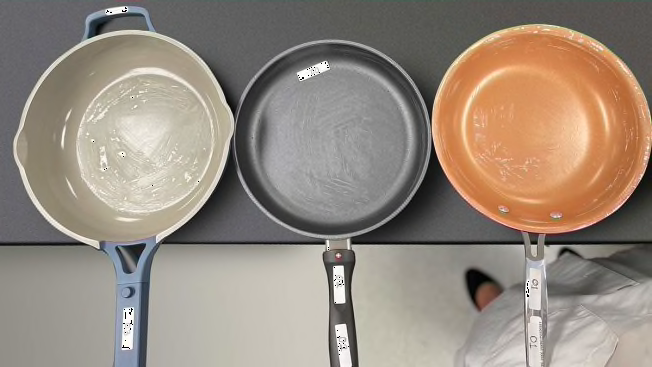
Copper heats quickly and evenly. This precise heat control reduces burning and undercooking. It helps preserve food nutrients and flavor. Better cooking means healthier meals and less waste.
Credit: www.consumerreports.org
Safety Considerations
Safety is key when using copper pans for cooking. Copper has many benefits but also some risks. Knowing how to use and care for copper cookware keeps it safe for health. This section covers important safety points about copper pans.
Copper Toxicity Risks
Copper can leach into food during cooking. Eating too much copper can cause stomach pain and nausea. Long-term high copper intake may harm the liver and kidneys. Acidic foods, like tomato sauce, increase copper release. Always avoid cooking acidic dishes directly in unlined copper pans. Using lined copper pans lowers the risk of copper exposure.
Proper Use And Maintenance
Use copper pans for low-acid foods to reduce copper contact. Keep the inside of the pan lined with stainless steel or tin. Clean copper pans gently with mild soap and water. Avoid harsh scrubbing that damages the lining. Re-tin or re-line copper pans when the coating wears off. Regular care extends the pan’s life and keeps food safe.
When To Avoid Copper Pans
Do not use copper pans if the lining is damaged or worn out. Avoid cooking acidic or salty foods in unlined copper cookware. People with Wilson’s disease should not use copper cookware. Avoid copper pans for high-heat cooking that can damage the lining. Choose other materials like stainless steel for safer cooking options.
Comparing Copper To Other Cookware
Copper pans have a unique place in the kitchen. They offer benefits and drawbacks compared to other cookware. Understanding these differences helps you choose safer and better tools for cooking.
Each type of cookware affects cooking style, food flavor, and health. Copper stands out for heat conduction but behaves differently than stainless steel, nonstick, and cast iron. Let’s explore these differences clearly.
Copper Vs Stainless Steel
Copper heats up fast and cools quickly. Stainless steel heats slower and keeps heat longer. Copper pans give precise control over temperature. Stainless steel is more durable and resists rust well.
Stainless steel pans do not react with acidic foods. Copper can react unless lined with another metal. Copper pans often have a tin or stainless steel lining. This lining protects food from copper exposure.
Both are safe when used properly. Copper offers better heat control. Stainless steel offers more durability and less maintenance.
Copper Vs Nonstick
Copper pans need seasoning or lining to prevent sticking. Nonstick pans have a coating that stops food from sticking. Nonstick coatings can wear off over time and may release chemicals if overheated.
Copper pans do not have harmful coatings. They last longer with proper care. Nonstick pans are easy to clean but can be less durable. Copper pans require more care but avoid chemical exposure risks.
For health, copper with a good lining is safer. Nonstick pans require careful use to avoid damage and health risks.
Copper Vs Cast Iron
Copper heats evenly and quickly. Cast iron heats slowly but holds heat well. Cast iron can add iron to food, which helps some people. Copper does not add minerals to food.
Cast iron pans need seasoning to stay nonstick. Copper pans need a lining to protect food. Cast iron is heavy and may rust without care. Copper is lighter and resists rust if lined.
Cast iron suits slow cooking and frying. Copper fits fast cooking and delicate sauces. Both offer health benefits if maintained well.
Credit: rilmac.org
Choosing The Right Copper Pan
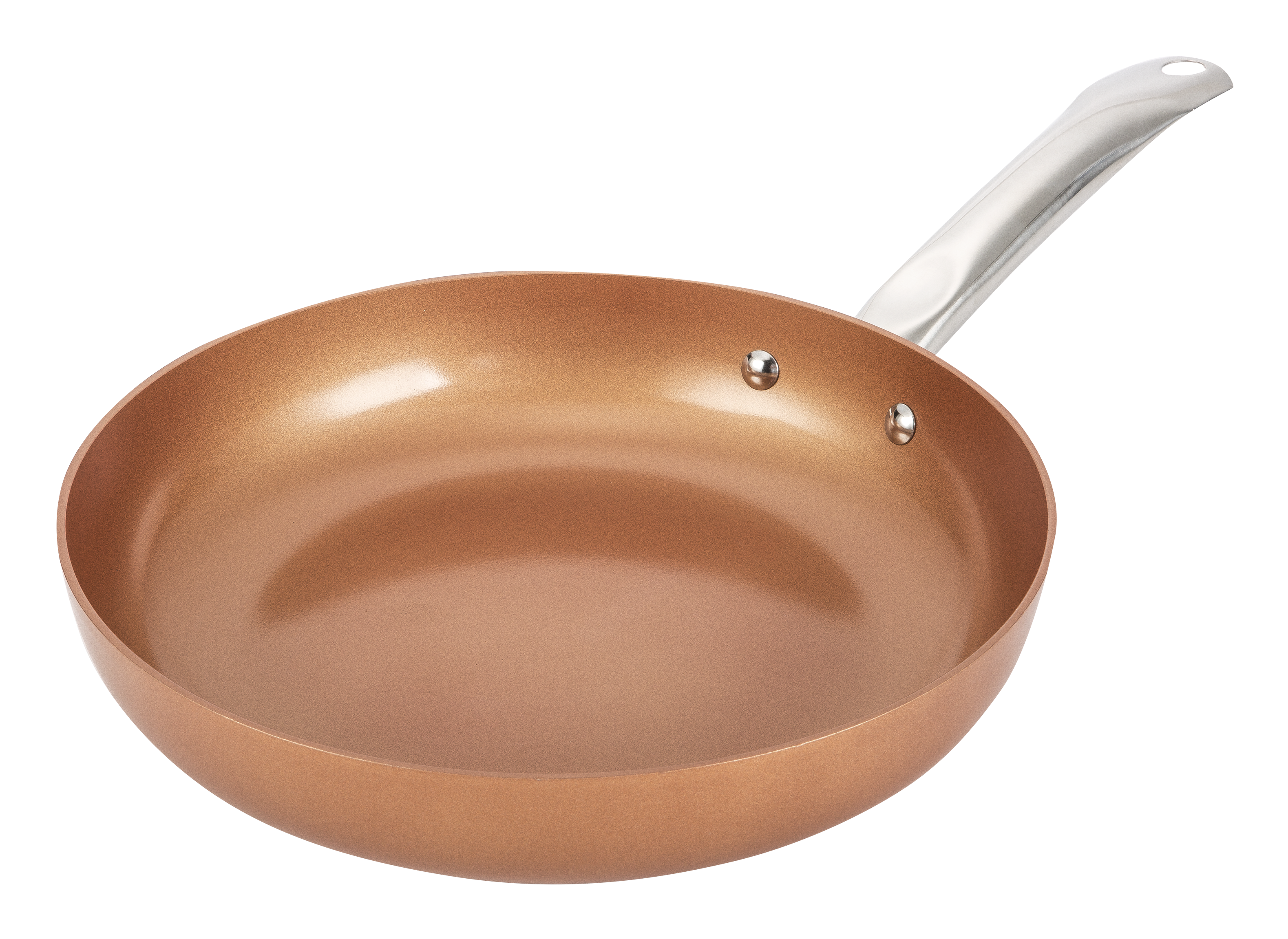
Choosing the right copper pan matters for health and cooking quality. Copper pans heat evenly and fast. This helps cook food well without burning. But pure copper can react with food. This may cause health concerns. So, picking a good copper pan is important for safe use.
Understanding different types of copper pans and their linings helps make a smart choice. Quality and safety depend on these factors. Here are key points to consider before buying copper cookware.
Types Of Copper Pans
Copper pans come in various types. Some are pure copper, others mix copper with other metals. Solid copper pans are heavy and conduct heat best. Copper-clad pans have a layer of copper on the outside and other metals inside. These pans cost less and last longer. Each type suits different cooking needs.
Lining Materials And Their Effects
Pure copper can react with acidic foods. This may cause copper to leach into food. Linings prevent this. Common linings include stainless steel, tin, and ceramic. Stainless steel is durable and easy to clean. Tin offers good heat conduction but wears out faster. Ceramic linings are non-reactive and safe but can chip easily. Choose a lining that fits your cooking style and health concerns.
Tips For Buying Quality Copper Cookware
Check the thickness of the copper. Thicker pans hold heat better and last longer. Inspect the lining for even coverage and no damage. Look for strong rivets and handles that stay cool. Avoid pans with signs of poor workmanship. Brand reputation and customer reviews help find reliable products. A well-made copper pan can be a healthy and useful kitchen tool.
Caring For Copper Pans
Caring for copper pans keeps them shining and safe to use. Copper is a soft metal. It needs gentle handling to last long and stay healthy for cooking. Proper care stops damage and tarnish. It also keeps food tasting good.
Cleaning Techniques
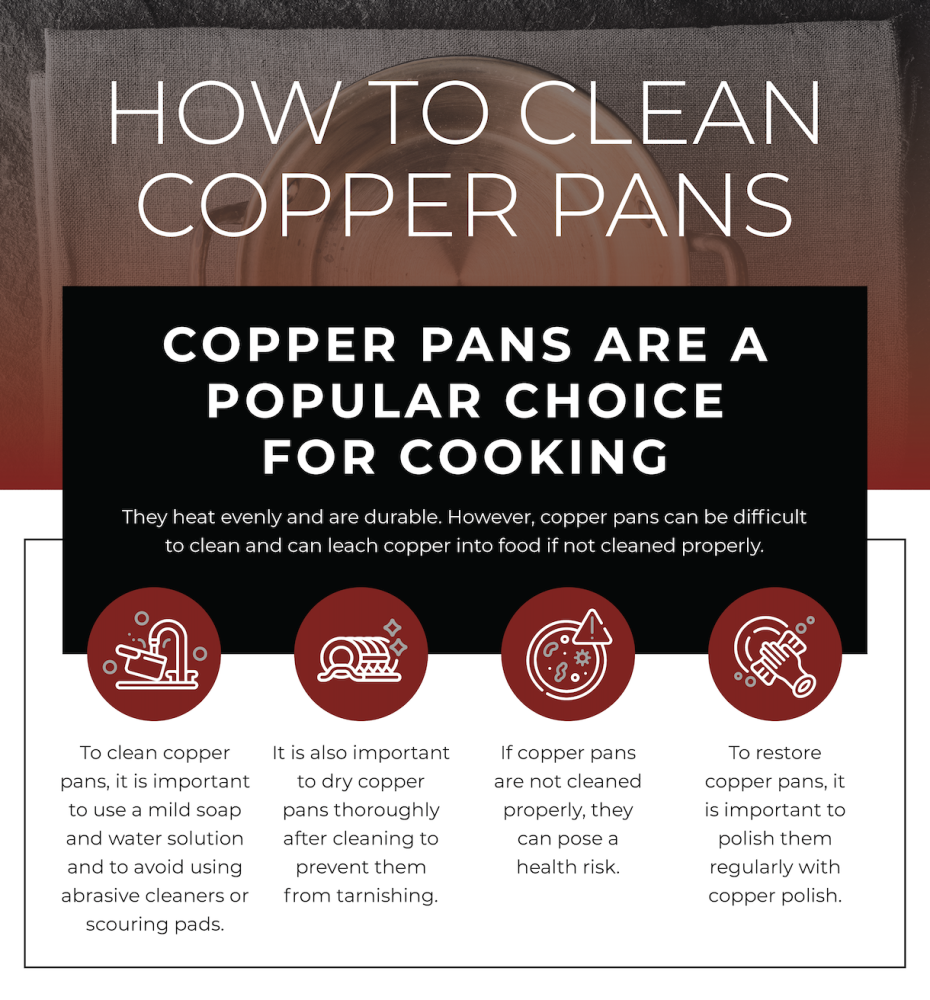
Wash copper pans by hand with warm water and mild soap. Avoid dishwashers. They can harm the copper surface. Use a soft sponge or cloth. Do not scrub hard or use steel wool. Rinse well to remove soap. Dry immediately with a soft towel. This prevents water spots and stains.
Preventing Tarnish And Damage
Tarnish happens when copper meets air and moisture. Clean pans often to stop this. Use natural cleaners like lemon and salt or vinegar and baking soda. Avoid harsh chemicals or abrasive cleaners. They can scratch or dull the pan. Heat pans slowly on the stove. Sudden heat changes can cause warping or cracks.
Storage Recommendations
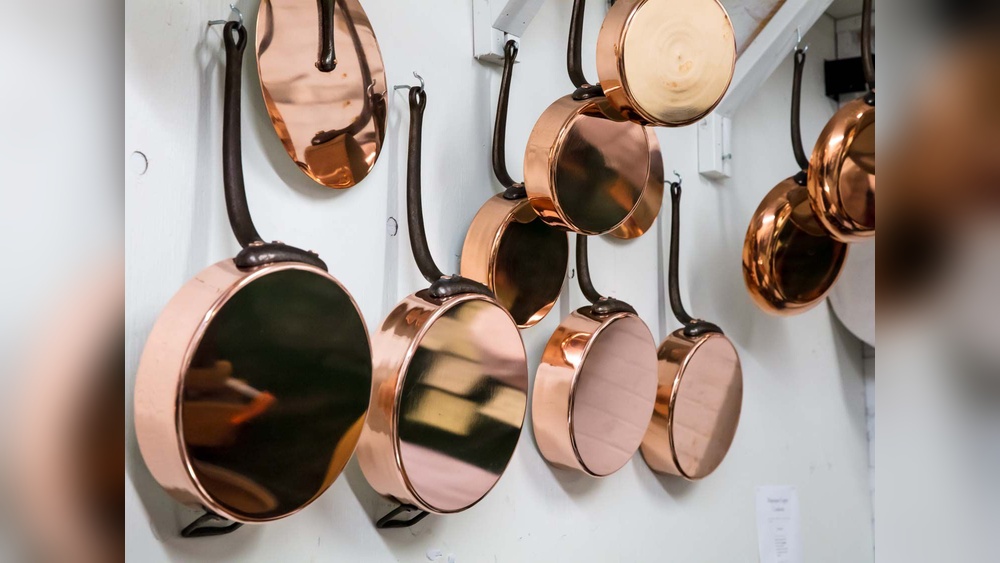
Store copper pans in a dry place. Moisture causes tarnish and corrosion. Hang pans or place soft cloth between them if stacking. This prevents scratches and dents. Keep pans away from direct sunlight. It can fade the copper’s shine over time.
Credit: www.worldcoppersmith.com
Frequently Asked Questions
Are Copper Pans Safe For Cooking Food?
Copper pans are safe if lined with stainless steel or tin. Unlined copper can cause toxicity.
Do Copper Pans Improve Cooking Quality?
Copper pans heat evenly and quickly, helping food cook better and preventing hot spots.
Can Copper Pans Affect Health Negatively?
Unlined copper pans may leach copper into food, which can cause stomach issues if consumed in excess.
Conclusion
Copper pans can be healthy if used correctly. They heat food quickly and evenly. Be sure to choose lined copper pans for safety. Unlined copper may release too much copper into food. Regular cleaning keeps your pans safe and shiny.
Cooking with copper adds a nice touch to your kitchen. Think about your cooking style before buying one. Healthy cooking tools make a big difference in daily meals. Copper pans offer both beauty and function for your kitchen. Consider their benefits and care needs before use.