When you’re baking or cooking, getting the measurements just right can make all the difference between a delicious dish and a disappointing one. Have you ever wondered why your favorite recipe didn’t turn out as expected?
The secret often lies in accurate measurement. By mastering a few simple tips, you can boost your confidence in the kitchen and enjoy better results every time. Keep reading, and you’ll discover easy, practical ways to measure ingredients like a pro—so your meals come out perfect, no matter what you’re making.

Credit: sallysbakingaddiction.com
Essential Tools For Precision
Precision in baking and cooking depends on the right tools. Accurate measurements ensure the best texture and taste. Using proper measuring tools reduces mistakes and saves time. These tools help achieve consistent results every time.
Choosing The Right Measuring Cups
Measuring cups come in plastic, metal, or glass. Dry ingredients need different cups than liquids. Use dry measuring cups for flour, sugar, or grains. Liquid measuring cups have a spout for easy pouring. Clear cups with measurement marks offer better visibility. Always fill cups to the top and level off for accuracy.
Using Digital Scales Effectively
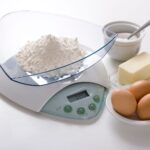
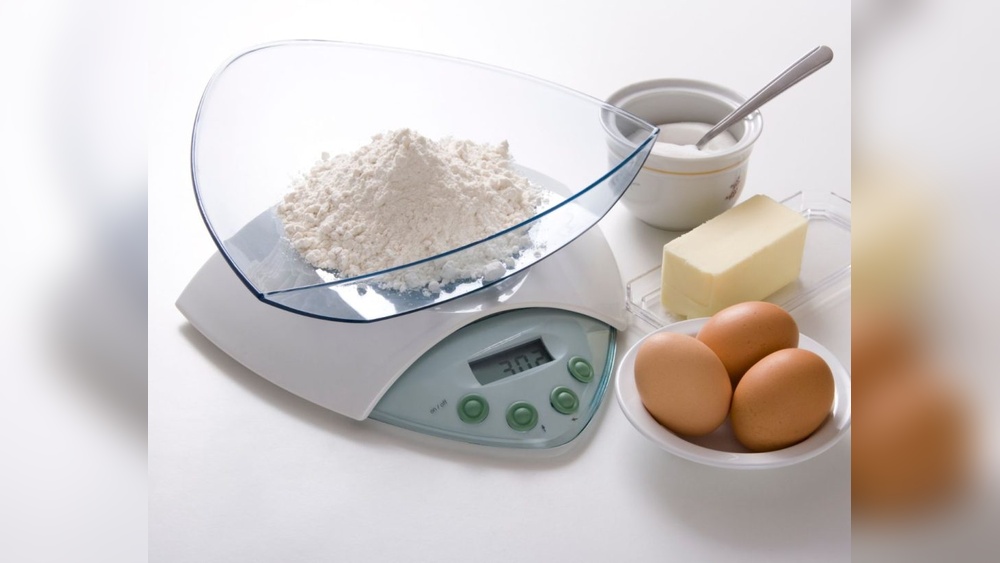
Digital scales provide the most accurate measurements. They work well for both dry and wet ingredients. Place a bowl on the scale and press tare to zero it. Add ingredients until reaching the desired weight. Scales reduce guessing and improve recipe results. Use grams or ounces based on the recipe’s needs.
Measuring Spoons That Matter
Measuring spoons are essential for small ingredient amounts. Use sets with clear labels for teaspoons and tablespoons. Spoon ingredients lightly and level them off with a knife. Avoid packing ingredients unless the recipe says so. Metal spoons are more durable than plastic ones. Keep spoons clean and dry to maintain accuracy.
Techniques For Dry Ingredients
Measuring dry ingredients correctly is key to good baking and cooking. Small mistakes can change the taste and texture of your dish. Using the right techniques helps you get accurate amounts every time. This section shares simple methods to measure dry ingredients well. These tips work for flour, sugar, spices, and other dry items.
Spoon And Level Method
Start by loosening the dry ingredient with a spoon. Do not scoop directly with the measuring cup. Fill the cup by spooning the ingredient lightly. Then, use a flat edge like a knife to level it off. This method avoids packing and gives you the right amount.
Avoiding Packing Ingredients
Do not press or shake the measuring cup to pack the ingredient. Packed flour or sugar adds more than needed. Always scoop gently or spoon into the cup. Light, fluffy ingredients measure more accurately this way. It keeps your recipes consistent and reliable.
Handling Sticky Substances
Sticky dry ingredients like brown sugar need special care. Press them lightly into the cup to fill gaps but do not overpack. Use a spatula to level off the top. This method ensures you measure the right amount without extra weight.
Measuring Liquids Accurately
Measuring liquids accurately is key to good baking and cooking. Too much or too little liquid changes the taste and texture. Precise measurement helps recipes turn out just right every time. It also saves money and avoids waste.
Different liquids need different ways to measure. Water is easy, but thick liquids like honey need special care. Using the correct tools and methods makes a big difference.
Proper Use Of Liquid Measuring Cups
Use a clear liquid measuring cup with a spout. Fill the cup on a flat surface. Pour slowly to avoid spills. Check the measurement at eye level. Use the marks on the side to measure exact amounts. Do not use dry measuring cups for liquids. They are made for powders and solids only.
Avoiding Parallax Errors
Parallax error happens when you read the cup from above or below. Always bend down to eye level with the liquid line. This gives the most accurate reading. Standing causes the liquid line to look higher or lower than it is. This small mistake can change your recipe outcome.
Measuring Thick Liquids
Thick liquids like syrup or honey stick to the cup. Spray the cup lightly with cooking spray first. This helps the liquid slide out easily. Use a rubber spatula to scrape every drop. Pour slowly to avoid bubbles and overflow. Measure thick liquids in a liquid measuring cup for best results.
Credit: qf01dx-q0.myshopify.com
Adjusting Measurements For Altitude
Baking and cooking at high altitudes need special attention. Air pressure is lower. This change affects how recipes turn out. Adjusting measurements helps keep your dishes perfect. Small changes make a big difference in taste and texture.
Impact Of Altitude On Baking
At high altitudes, water boils at lower temperatures. This causes liquids to evaporate faster. Gases in dough and batter expand more quickly. Cakes can rise too fast and then fall. Bread may become dry and crumbly. These changes need careful handling to avoid baking problems.
Modifying Ingredient Quantities
Reduce baking powder and baking soda slightly. This prevents over-rising and collapsing. Increase flour a little to strengthen dough structure. Add a bit more liquid to keep moisture. Sugar amounts may need to be cut down. These tweaks help balance rising and texture.
Temperature And Time Adjustments
Bake at a higher temperature by 15 to 25 degrees Fahrenheit. This helps set the structure before over-expansion. Check baked goods earlier than usual to avoid overbaking. Cooking times often shorten at altitude. Keep a close eye during baking for best results.
Converting Between Units
Converting between units is key for accurate baking and cooking. Recipes often use different measurements. Some list ingredients in cups, others in grams or ounces. Understanding how to change these units helps you follow recipes precisely. It avoids mistakes and improves results.
Common Volume To Weight Conversions
Some ingredients measure better by weight than volume. Flour, sugar, and butter often need this. For example, one cup of flour usually weighs about 120 grams. One cup of sugar can weigh around 200 grams. Butter often equals 227 grams per cup. Knowing these numbers helps you measure right every time.
Using Conversion Charts
Conversion charts simplify changing units. They show common ingredient weights and volumes side by side. Keep a chart in your kitchen for quick checks. This saves time and reduces guesswork. Charts often include cups, grams, ounces, and milliliters. They work for dry and liquid ingredients alike.
Tips For Metric And Imperial Systems
The metric system uses grams and liters. The imperial system uses ounces and cups. Metric is more precise. Use a digital scale for metric measurements. Scales give exact amounts. Cups and spoons can vary in size. Stick to one system per recipe for best results. Convert measurements carefully when needed.

Credit: www.youtube.com
Maintaining Consistency In Recipes
Maintaining consistency in recipes helps achieve the same great results every time. It builds confidence in cooking and baking. Knowing exactly how much to use ensures flavors and textures stay balanced. Consistent measurements reduce errors and waste.
Small changes in ingredient amounts can change the dish’s outcome. Following the same steps and quantities makes your cooking reliable. This is important for both beginners and experienced cooks.
Repeating Measurements Exactly
Use the same measuring tools for every recipe. Measuring cups and spoons must be filled the same way each time. Level dry ingredients with a flat edge for accuracy. For liquids, check measurements at eye level. Avoid guessing or eyeballing amounts.
Recording Custom Adjustments
Write down any changes made to ingredient amounts. Note how adjustments affect taste and texture. Keep a cooking journal or recipe notes. This helps recreate favorite dishes and improve recipes over time. Record details like oven temperature and cooking time too.
Calibrating Your Tools Regularly
Check scales and thermometers often for accuracy. Use known weights or boiling water tests. Replace or fix tools that give wrong readings. Accurate tools prevent mistakes and ensure consistent results. Calibration keeps your measurements trustworthy every time.
Common Measurement Mistakes To Avoid
Accurate measurement is key to successful baking and cooking. Many mistakes happen during measuring. These errors affect the taste and texture of your food. Avoiding common mistakes saves time and ingredients.
Overpacking Ingredients
Pressing flour or sugar too hard makes you use more than needed. Overpacking changes the amount and affects the recipe. Use a spoon to fill the cup and level it with a knife. This method gives a true measurement every time.
Ignoring Ingredient Temperature
Ingredients like butter and eggs change size with temperature. Cold butter is firmer and takes up less space. Warm butter spreads out and can cause errors. Use ingredients at the temperature stated in the recipe for best results.
Misreading Measurement Lines
Measuring liquids on a flat surface is important. Look at the bottom of the liquid’s curve, called the meniscus. Reading from the top line can cause using too much or too little. Always check the level at eye height for accuracy.
Frequently Asked Questions
How Do I Measure Dry Ingredients Accurately For Baking?
Use a dry measuring cup and fill it to the top. Level off the excess with a flat edge for exact amounts. This avoids packing and ensures accuracy.
What Is The Best Way To Measure Liquid Ingredients?
Use a clear liquid measuring cup placed on a flat surface. Pour the liquid and check the measurement at eye level for precision.
Why Is Measuring Ingredients Important In Cooking And Baking?
Precise measurements ensure consistent taste and texture in recipes. Small changes can affect the final outcome significantly.
How Can I Prevent Measuring Errors With Sticky Ingredients?
Spray the measuring cup with cooking spray or use a spatula to transfer sticky ingredients. This helps get the full amount without waste.
Can I Use Tablespoons Instead Of Measuring Cups For Accuracy?
Tablespoons work for small amounts, but measuring cups are better for larger quantities. Using the right tool improves recipe results.
How Do Temperature And Ingredient Form Affect Measurement Accuracy?
Ingredients like butter or sugar can change volume when cold or melted. Measure at the state called for in the recipe for best results.
Conclusion
Accurate measurements help your food taste better every time. Use the right tools for dry and wet ingredients. Level off spoons and cups to avoid extra amounts. Check measurements twice before adding to your recipe. Small changes can affect the final dish a lot.
Practice measuring regularly to improve your cooking skills. These simple steps bring more confidence in the kitchen. Enjoy cooking with clear and exact measurements today.