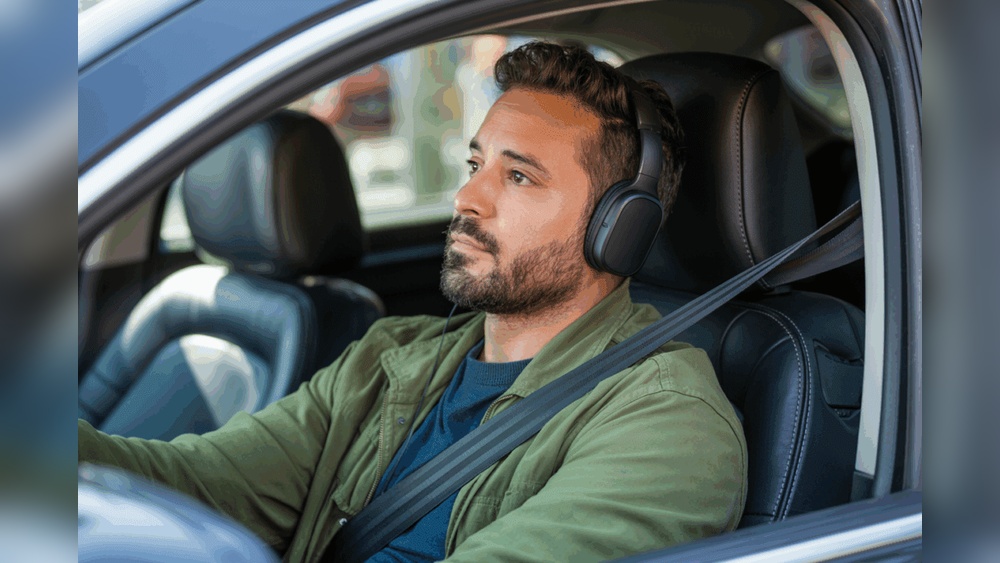
You rely on your headphones to escape noise, enjoy your favorite tunes, or catch up on podcasts while traveling. But have you ever noticed how quickly they can get tangled, damaged, or lose sound quality on the road?
Keeping your headphones in top shape doesn’t have to be a hassle. You’ll discover simple, effective tips to protect your headphones and make sure they deliver the best sound wherever you go. Ready to keep your music crystal clear and your headphones lasting longer?
Let’s dive in.
Choose The Right Carrying Case
Choosing the right carrying case protects your headphones during travel. It keeps them safe from damage and dust. A good case also makes it easy to carry your headphones. Picking a case depends on your travel style and how much protection you need.
Hard Vs Soft Cases
Hard cases offer strong protection against drops and impacts. They keep headphones from getting crushed in bags. Hard cases are heavier but very durable. Soft cases are lightweight and flexible. They protect against scratches and light bumps. Soft cases fit easily in small spaces. Choose hard cases for rough travel. Soft cases suit gentle handling and short trips.
Waterproof And Shockproof Options
Waterproof cases guard headphones from rain and spills. They keep electronics dry and safe. Shockproof cases absorb shocks from falls and bumps. These cases have padding inside for extra safety. Combining waterproof and shockproof features adds strong protection. Ideal for outdoor trips or rough conditions. Check case ratings for water and shock resistance before buying.
Clean Headphones Regularly
Cleaning headphones often is key for good sound and hygiene. Dirt and earwax build-up can harm your headphones and your ears. Keeping them clean helps headphones last longer and feel fresh.
Traveling can bring extra dirt and sweat. Regular cleaning stops damage and keeps your headphones working well.
Removing Earwax And Dirt
Use a soft, dry cloth to wipe the ear tips and speaker grills. Gently remove earwax with a small brush or a clean, dry cotton swab. Avoid using water or liquids directly on the speakers. Check for trapped dirt in small holes or crevices and clean them carefully.
Cleaning Ear Pads And Cushions
Remove the ear pads if possible. Wipe them with a damp cloth and mild soap. Let them dry completely before putting them back on. For foam cushions, use a gentle brush to clear dust and dirt. Clean ear pads often to avoid bad smells and skin irritation.
Protect Cables And Connectors
Protecting the cables and connectors of your headphones is key to keeping them working well during travel. These parts are delicate and can break easily if not handled carefully. Taking simple steps helps avoid damage and keeps your headphones ready to use anytime.
Proper care saves money and frustration. It also ensures clear sound and comfort on the go. Focus on how you wrap and store cables to prevent wear and tear.
Proper Cable Wrapping Techniques
Use gentle loops to wrap the cable. Avoid tight coils that stress the wires inside. Aim for loops about the size of your palm. Wrap the cable loosely around your hand or use a cable organizer. This prevents kinks and breaks.
Secure the wrapped cable with a soft tie or Velcro strap. Do not use rubber bands as they can pinch and damage the wire. Keep the cable neat and easy to unwind.
Avoiding Tangling And Bending
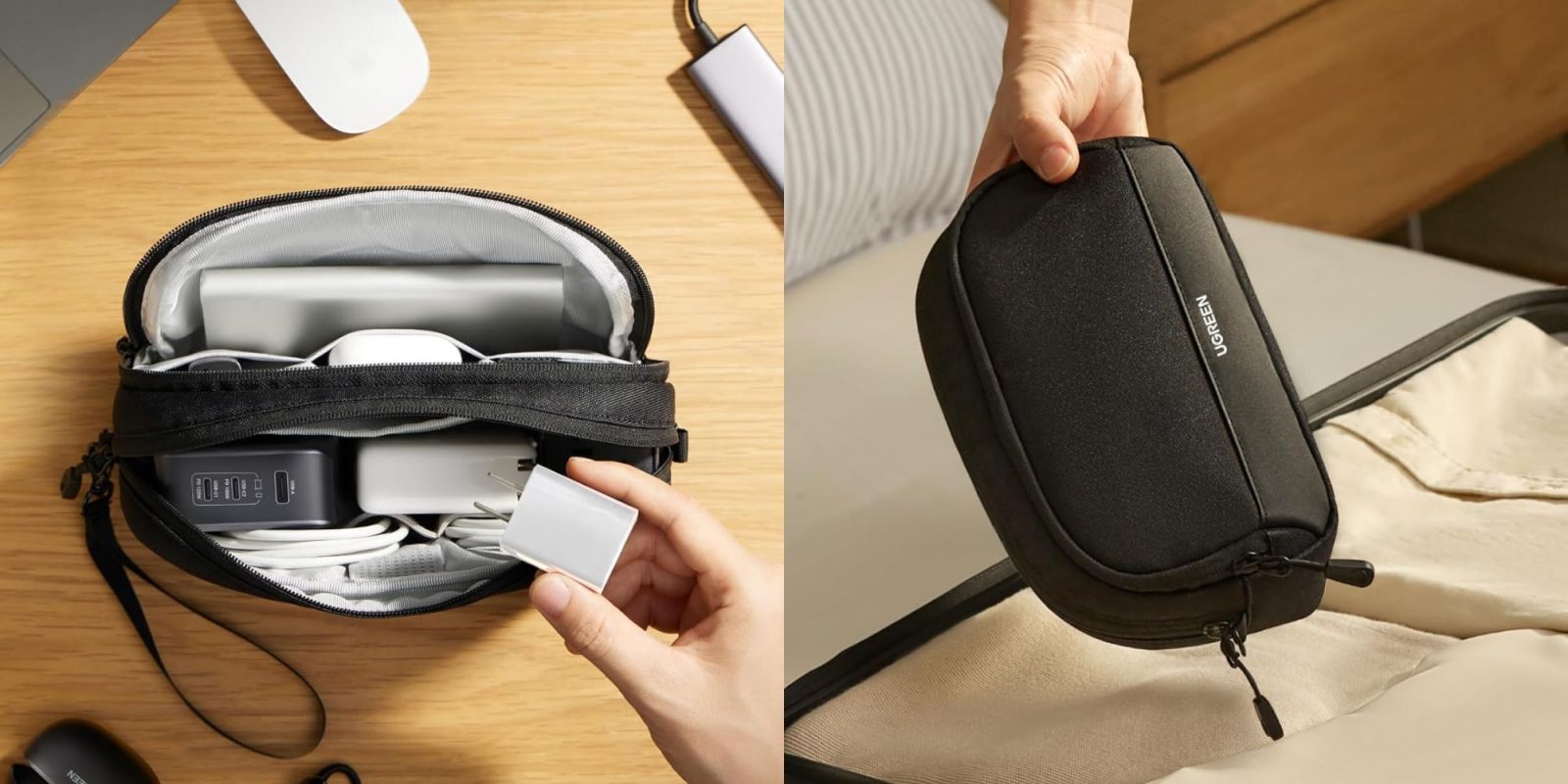
Tangles can weaken cables and cause internal breaks. Store headphones in a small pouch or case to stop cables from knotting. Lay cables flat or loosely coiled in the bag.
Be careful not to bend cables sharply near the connectors. Bending can cause wires to snap inside. Always unplug by holding the plug, not the cable, to avoid strain.
Credit: 9to5toys.com
Manage Battery Life
Managing battery life is key to enjoying headphones during travel. A dead battery can spoil your music or calls. Taking care of battery health helps headphones last longer. Follow simple steps to keep them charged and ready.
Charging Best Practices
Charge headphones fully before your trip starts. Use the original charger for best results. Avoid overcharging by unplugging once fully charged. Do not use headphones while charging. This can damage the battery and reduce its life. If possible, charge in short bursts instead of long sessions. Keep power banks handy for charging on the go.
Storing Headphones When Not In Use
Turn off headphones when not in use to save battery. Store them in a cool, dry place away from direct sunlight. Avoid leaving headphones in hot cars or damp areas. Use a protective case to prevent damage and accidental power on. Remove headphones from charging once full to avoid battery strain.
Avoid Extreme Temperatures
Keeping your headphones safe from extreme temperatures is key during travel. Both heat and cold can harm the delicate parts inside your headphones. Protecting them from these conditions helps keep the sound quality clear and the device working longer.
Heat Exposure Risks
High temperatures can damage your headphone battery and plastic parts. Heat may cause the ear pads to wear out faster. Avoid leaving headphones in direct sunlight or inside a hot car. Heat can also affect the internal wiring and reduce sound quality. Carry your headphones in a cool, shaded place to prevent damage.
Cold Weather Precautions
Cold weather can make headphone materials stiff and brittle. This can lead to cracks or breaks if handled roughly. Cold also reduces battery life and affects wireless connection. Keep headphones inside your bag or close to your body to stay warm. Avoid exposing them to freezing temperatures for long periods. Warm them gradually before use to avoid sudden damage.
Handle With Care During Transit
Taking care of your headphones during travel keeps them working well for longer. Rough handling can damage wires, ear pads, or electronic parts. Protecting your headphones from bumps and pressure is very important. Treat them gently while moving from place to place.
Packing Tips For Carry-on And Checked Luggage
Always pack headphones in your carry-on bag if possible. Carry-on bags face less rough treatment than checked luggage. Place headphones in a padded case to avoid crushing. Keep cables coiled loosely to prevent wire breaks. Avoid putting heavy items on top of headphones. If you must pack in checked luggage, use extra padding. Wrap headphones in soft clothes or bubble wrap. Place them in the center of your bag to protect from pressure.
Using Protective Accessories
Use a hard-shell case made for headphones. This case protects from drops and pressure. Soft pouches help but do not stop strong impacts. Cable organizers keep wires neat and untangled. Avoid bending cables sharply as this can cause damage. Consider waterproof covers if rain or spills are possible. These small accessories add strong protection during travel.
Regularly Update Firmware And Software
Keeping your headphones’ firmware and software updated is key to smooth travel use. Updates fix bugs that can cause problems on the road. They often add new features or improve sound quality. Regular updates keep your device secure from vulnerabilities. This simple step saves you hassle and keeps your headphones working well.
Benefits Of Updates
Updates improve headphone performance and fix errors. They add new features that enhance your listening. Updates can boost battery life and connection stability. They protect your device from security risks. Staying updated means fewer crashes and better sound quality.
How To Check For Updates
Check the headphone app or manufacturer’s website. Most brands have apps that notify you about updates. Connect your headphones to your phone or computer. Follow the instructions to install the latest firmware. Check updates before trips to avoid issues while traveling.
Frequently Asked Questions
How Can I Protect My Headphones During Travel?
Use a hard case or padded pouch to protect headphones from damage. Avoid placing heavy items on top of them. Keep cables neatly coiled to prevent tangling.
What Is The Best Way To Clean Headphones On The Go?
Use a soft, dry cloth to wipe ear pads and headbands gently. Avoid using water or harsh chemicals that can damage materials. For ear tips, use a small brush or cotton swab.
How Do I Prevent Headphone Wire Damage While Traveling?
Always unplug cables carefully by holding the plug, not the wire. Store wires loosely coiled, not tightly wrapped or bent sharply. Use cable organizers or ties to keep wires neat.
Should I Charge Wireless Headphones Before Traveling?
Yes, fully charge wireless headphones before your trip to avoid battery issues. Carry a charging cable and power bank for emergencies. This keeps your headphones ready for use anytime.
Conclusion
Taking good care of your headphones helps them last longer. Keep them clean and store them safely when not in use. Avoid pulling the cables or exposing them to water. Small steps like these protect your sound quality. Enjoy your music and calls without worry.
Travel smart, and your headphones will stay in great shape. Easy habits make a big difference on the road. Stay mindful and keep your gear ready for every trip. Your headphones deserve simple care to work well everywhere.