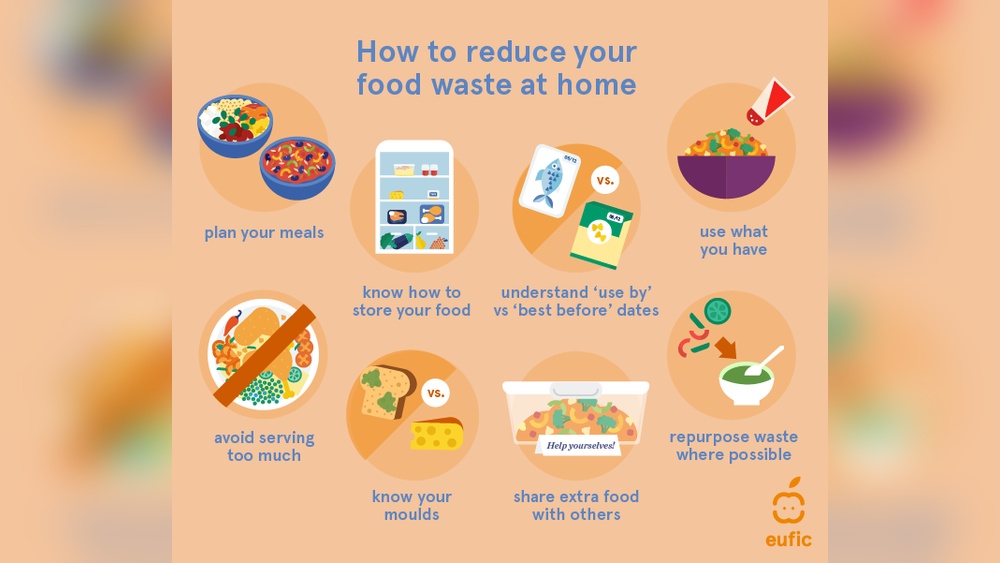
Are you tired of throwing away food that could have been saved? Reducing food waste at home is easier than you think, and it can save you money while helping the planet.
Imagine cutting down your grocery bills and making your kitchen more efficient with just a few simple changes. You’ll discover practical tips that fit right into your daily routine. Keep reading to learn how you can make a real difference starting today.
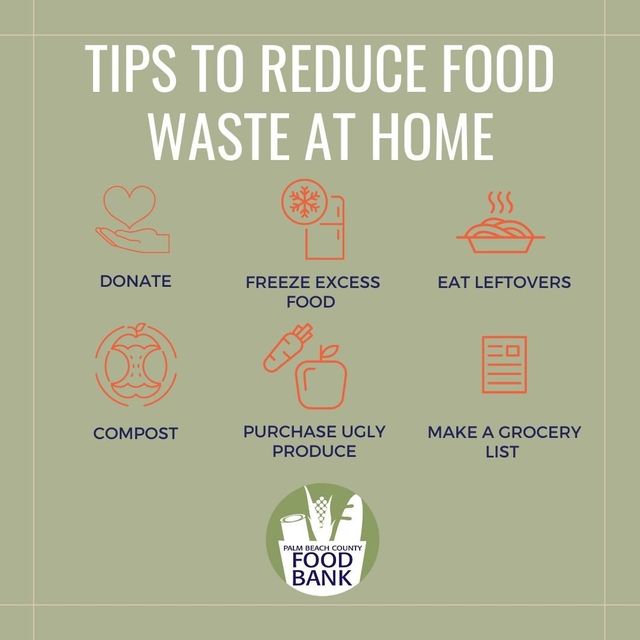
Credit: www.pbcfoodbank.org
Causes Of Food Waste At Home
Food waste happens in many homes. Understanding why it happens helps to stop it. Waste means throwing away food that could be used. This wastes money and harms the planet. Several common causes lead to food waste at home. Knowing these causes can guide better habits.
Overbuying And Impulse Purchases
Buying too much food causes waste. Shoppers often buy more than needed. Impulse purchases add items not planned. These extra foods may spoil before use. Shopping with a list helps avoid this problem. Sticking to the list saves money and food.
Poor Meal Planning
Not planning meals leads to wasted food. Without a plan, it’s hard to use all groceries. Some items go unused and expire. Planning meals ahead helps buy only what is needed. This makes sure all food gets eaten.
Improper Storage
Food spoils faster if stored wrong. Each food needs a certain place and temperature. Storing food incorrectly causes early spoilage. Learn the best way to store fruits, vegetables, and leftovers. Proper storage keeps food fresh longer.
Confusing Expiration Dates
Expiration dates can be hard to understand. Many throw food away too soon. Some dates show best quality, not safety. Knowing the difference helps keep food longer. Check food carefully before deciding to toss it.
Smart Shopping Habits
Smart shopping habits play a big role in reducing food waste at home. Buying only what you need helps keep food fresh. It also saves money and cuts down on trash. Planning before shopping makes a big difference.
Creating A Detailed Shopping List
Write down exactly what you need before going to the store. Check your kitchen to see what you already have. A list stops you from buying extra items. Stick to your list to avoid impulse buys.
Buying In Smaller Quantities
Purchase food in smaller amounts to prevent spoilage. Fresh fruits and vegetables last longer when used quickly. Smaller packages help you use food before it goes bad. This habit reduces the chance of throwing food away.
Choosing Versatile Ingredients
Pick ingredients that can be used in many dishes. Versatile foods reduce waste by fitting into different meals. Examples include rice, eggs, and canned beans. These items help you cook creatively and waste less.
Effective Meal Planning
Effective meal planning helps cut down food waste at home. It lets you buy only what you need and use all your ingredients. Planning meals ahead saves time and money. It also reduces stress about what to cook daily.
Organizing your meals ensures leftovers do not spoil. It helps you eat balanced and varied dishes. Simple steps can make meal planning easy and useful for everyone.
Planning Weekly Menus
Create a menu for the whole week. Write down meals for breakfast, lunch, and dinner. Check what ingredients you already have in your kitchen. Buy only what is missing.
This stops buying too much food. You can plan meals using similar ingredients. This way, nothing goes to waste. Stick to your menu to avoid last-minute food waste.
Using Leftovers Creatively
Leftovers do not have to be boring. Turn them into new meals with simple ideas. For example, use leftover vegetables in soups or stir-fries. Rice can become fried rice or rice pudding.
Mix leftovers with fresh ingredients. This reduces waste and saves cooking time. Keep leftovers in clear containers to remember to eat them.
Batch Cooking And Freezing
Cook large portions at once and freeze in smaller parts. This helps you eat home-cooked meals quickly later. Freeze soups, stews, and cooked grains for easy use.
Batch cooking saves energy and reduces last-minute food waste. Label containers with dates to keep track. Freeze leftovers before they spoil to extend their life.
Proper Food Storage Techniques
Proper food storage helps keep food fresh longer. It reduces waste and saves money. Learning how to store food well is a smart step for every home.
Small changes in storage can make a big difference. Knowing the right way to store fruits, vegetables, and leftovers stops spoilage. It also keeps your kitchen organized and clean.
Storing Fruits And Vegetables Correctly
Some fruits and vegetables need cold storage. Others last better at room temperature. For example, apples do well in the fridge. Bananas and tomatoes should stay outside.
Keep fruits and vegetables separate. Many fruits release ethylene gas. This gas makes vegetables ripen and spoil faster. Use different drawers or containers to store them apart.
Using Airtight Containers
Airtight containers stop air and moisture from spoiling food. Use them for leftovers, grains, and snacks. Clear containers help you see what you have. This reduces the chance of food getting forgotten and wasted.
Choose containers that seal tightly. Glass or BPA-free plastic works well. Label containers with dates to track freshness better.
Organizing The Refrigerator
Keep your fridge clean and organized. Place older items in front. Use clear bins to group similar foods. This way, you use food before it spoils.
Set your fridge temperature between 35°F and 38°F. This keeps food fresh without freezing it. Avoid overcrowding to let cold air circulate well.
Utilizing Food Scraps
Using food scraps is a smart way to cut down on waste at home. Many parts of fruits and vegetables often go unused. These scraps can still add flavor and nutrients to meals or help your garden. Small changes in how you handle food leftovers make a big difference.
Making Broths And Stocks
Save vegetable peels, onion ends, and carrot tops in a bag in your freezer. When you have enough, boil them with water, salt, and herbs. This makes a tasty broth for soups and stews. Broths made from scraps use parts that usually get thrown away. It’s an easy way to get more from your food.
Composting Kitchen Waste
Composting turns food scraps into rich soil for plants. Collect fruit and vegetable scraps, coffee grounds, and eggshells in a compost bin. Avoid meat, dairy, and oily foods to keep compost healthy. Compost helps your garden grow without needing chemical fertilizers. It’s a natural cycle that reduces trash and feeds plants.
Repurposing Peels And Ends
Peels and ends of fruits and vegetables can be useful in many ways. Citrus peels add zest to dishes or make natural cleaners. Potato skins can be baked into crispy snacks. Broccoli stems chop well into stir-fries. Using these parts saves money and cuts waste. Find simple recipes that include scraps for tasty meals.

Credit: www.thistle.co
Tracking And Monitoring Waste
Tracking and monitoring food waste at home helps you see exactly what gets thrown away. This awareness is the first step to cutting down waste. By paying attention to your habits, you can find small changes that save food and money.
Keeping A Food Waste Diary
Write down what food you throw away each day. Note the type of food and the amount wasted. Keep the diary near your trash bin or compost area. This makes it easy to jot down details right away. A diary shows clear facts about your waste.
Identifying Waste Patterns
Review your food waste diary weekly. Look for items wasted most often. Notice if food spoils before you eat it. Spot times when waste increases, like after shopping. Patterns help you understand why waste happens.
Adjusting Habits Accordingly
Change your shopping list based on waste patterns. Buy less of items you waste most. Plan meals to use leftovers or soon-to-expire food. Store food properly to keep it fresh longer. Small habit changes reduce waste over time.
Involving The Whole Family
Reducing food waste at home works best when everyone takes part. Involving the whole family creates shared responsibility. It builds good habits that last. Each family member can help save food and money.
Educating Family Members
Teach everyone about food waste and its effects. Explain how throwing away food harms the planet. Show simple ways to reduce waste daily. Use clear examples like planning meals and storing food properly. Kids and adults learn better with hands-on activities. Try cooking together or checking expiration dates as a team.
Assigning Food Waste Roles
Give each person a specific task to reduce waste. One can check the fridge for leftovers. Another can help plan meals or make shopping lists. Assign someone to compost food scraps or recycle packaging. Roles make everyone feel important and involved. Rotate tasks to keep it interesting for all ages.
Encouraging Mindful Eating
Encourage family members to take only what they can finish. Teach kids to appreciate food and avoid waste. Serve smaller portions and allow seconds if still hungry. Use leftovers creatively in new meals. Praise efforts to finish plates and save food. Mindful eating helps reduce waste and promotes health.
Frequently Asked Questions
How Can I Plan Meals To Reduce Food Waste?
Planning meals helps buy only what you need. It stops extra food from going bad. Use a shopping list to avoid buying too much.
What Are Easy Ways To Store Food Longer?
Store food in airtight containers to keep it fresh. Use the fridge or freezer for perishable items. Label leftovers with dates to eat them on time.
How Do Leftovers Help Minimize Food Waste?
Leftovers can be eaten later, saving money and food. Use them in new recipes or freeze for future meals. This reduces waste and saves cooking time.
Conclusion
Reducing food waste at home saves money and helps the planet. Plan meals and shop with a list. Store food properly to keep it fresh longer. Use leftovers creatively to avoid throwing food away. Small changes make a big difference over time.
Everyone can join in and protect resources. Start today and enjoy a cleaner, greener home.