Using a mandoline slicer at home can make your food prep faster and your dishes look professionally cut. But here’s the thing—if you’re not careful, it can also cause serious cuts.
You want to enjoy all the benefits without the risk of injury, right? You’ll discover simple, effective tips to use your mandoline slicer safely every time. Keep reading to protect your fingers and make your kitchen experience smoother and safer.

Credit: www.ilcs.org
Choosing The Right Mandoline
Choosing the right mandoline slicer can make food prep safer and easier. A good slicer helps create even slices quickly. It also protects your fingers from cuts. Picking the right type and features is very important. This guide covers the main types of mandoline slicers and key safety features.
Types Of Mandoline Slicers
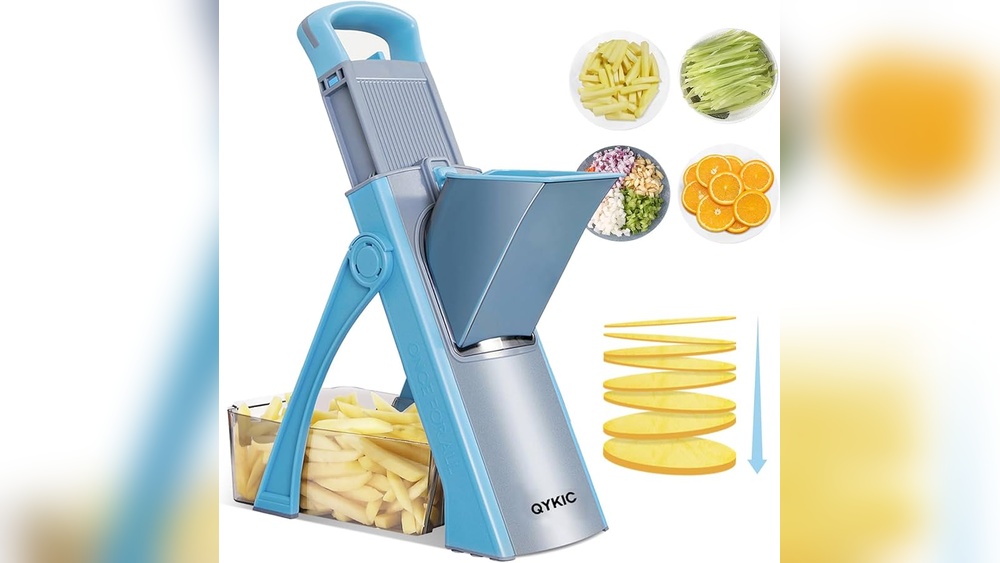
Mandoline slicers come in various styles. The most common are flat and handheld models. Flat mandolines have a wide base for stability. Handheld slicers are small and easy to store. Some mandolines offer adjustable thickness settings. Others include multiple blade options for different cuts. Choose one that fits your kitchen space and cooking needs.
Safety Features To Look For
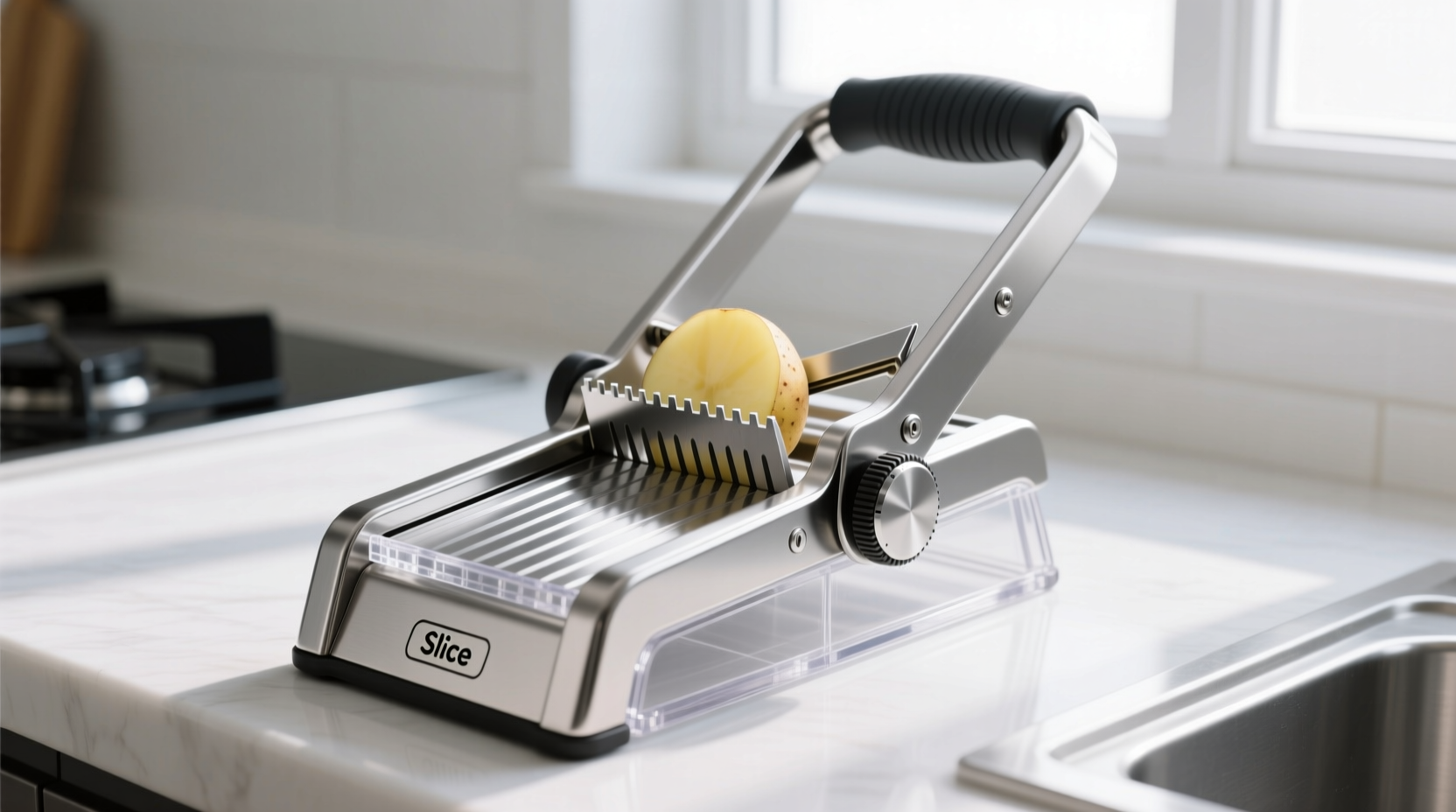
Look for mandolines with built-in safety features. A hand guard or food holder keeps fingers away from blades. Non-slip feet help keep the slicer steady on surfaces. Blade covers protect the sharp edges when not in use. Some models have locking mechanisms for secure storage. These features reduce the risk of accidents during slicing.
Preparing For Safe Use
Preparing for safe use of a mandoline slicer is key to avoiding injuries. It starts with setting up the right environment and using the proper protection. These steps keep your hands safe and your work smooth.
Setting Up Your Workspace
Choose a clean, flat surface to place your mandoline. Make sure it is stable and will not slide. Clear the area of any clutter or wet spots. Good lighting helps you see the food and slicer clearly. Keep a bowl or plate nearby to catch sliced pieces. This setup makes slicing easier and safer.
Wearing Protective Gear
Use a cut-resistant glove on the hand that holds the food. This glove protects your fingers from the sharp blade. Some mandolines come with a hand guard; always use it. Avoid loose clothing or jewelry that might catch on the slicer. Protective gear reduces the chance of accidents while slicing.
Proper Handling Techniques
Proper handling techniques are essential for safe use of mandoline slicers. These tools have very sharp blades that can cause serious cuts. Learning how to hold and use them correctly reduces the risk of injury. Focus and care are key while slicing vegetables or fruits.
Using The Hand Guard
Always use the hand guard that comes with the mandoline. It protects your fingers from the blade. Place the food inside the guard and push it down gently. The guard holds the food firmly while slicing. This method keeps your hands away from the sharp edge.
Do not remove the hand guard during use. It is designed to keep you safe. If the food is too small for the guard, stop slicing and use a different tool. Safety over speed.
Maintaining A Steady Grip
Hold the mandoline slicer with a steady grip. Use one hand to stabilize the slicer on a flat surface. Use your other hand to slide the food along the blade. Keep your hands dry to avoid slipping.
Do not rush while slicing. Slow, steady movements help prevent accidents. Keep your wrist straight and avoid awkward angles. A firm, controlled grip ensures better slices and less risk.
Slicing Tips To Avoid Injuries
Using a mandoline slicer can speed up food prep and create even slices. Safety is key to avoid cuts and injuries. Follow simple slicing tips to protect your fingers and hands.
Choosing The Right Thickness
Set the slicer to a thickness that suits your recipe. Thicker slices are easier to control and safer to cut. Thin slices need more caution and steady hands. Always start with a larger thickness, then adjust as needed. This reduces the chance of slipping and cutting yourself.
Slicing Small Or Odd-shaped Items Safely
Small or oddly shaped foods can be tricky to slice. Use a food holder or guard to keep fingers away from the blade. If no holder is available, wrap the item in a clean cloth for grip. Cut small pieces slowly and steadily. Avoid forcing the food into the blade to prevent slips and injuries.
Cleaning And Maintenance
Proper cleaning and maintenance keep your mandoline slicer safe and working well. Dirt and food bits can cause problems or accidents. Careful cleaning stops bacteria and keeps blades sharp. Regular upkeep makes the slicer last longer and stay safe.
Safe Cleaning Practices
Always unplug or remove parts before cleaning. Use a brush to remove food pieces from the blades. Avoid touching sharp edges with your hands. Wash slicer parts in warm, soapy water. Rinse well to remove soap residue. Dry all parts completely to stop rust. Some slicers are dishwasher-safe; check the manual first. Store the mandoline in a dry place after cleaning.
Blade Care And Replacement
Keep blades sharp for easy and safe slicing. Dull blades need more force and can slip. Use a sharpening tool if your slicer allows it. Replace blades if they are chipped or too dull. Follow the manufacturer’s instructions for blade replacement. Handle blades carefully during changes to avoid cuts. Regular blade care improves slicer performance and safety.
Credit: spice.alibaba.com
Common Mistakes To Avoid
Using a mandoline slicer can make food preparation quick and easy. Yet, many people make mistakes that cause accidents or poor results. Avoiding these common errors helps keep you safe and ensures even slices every time.
Ignoring Safety Features
Mandoline slicers come with safety parts for a reason. The hand guard protects your fingers from the sharp blade. Not using this guard increases the risk of cuts. Some slicers have non-slip bases to keep them steady. Skipping these features can cause the slicer to slip. Always use all safety tools provided with your mandoline.
Rushing Through Slicing
Speed can lead to accidents. Moving too fast makes it easy to lose control. Slow, steady movements keep your hands safe. Take your time to align the food correctly. Focus on the task to avoid slips and uneven slices. Patience leads to better results and fewer injuries.

Credit: www.amazon.com
Frequently Asked Questions
How Can I Use A Mandoline Slicer Safely At Home?
Always use the hand guard or safety holder when slicing. Keep fingers away from the blade to prevent cuts. Work slowly and with care for best results.
What Should I Do To Avoid Injuries With Mandoline Slicers?
Keep your mandoline slicer clean and dry before use. Never slice without the protective guard in place. Store it safely out of children’s reach.
Which Foods Are Best For Mandoline Slicers?
Firm vegetables like potatoes, carrots, and cucumbers work best. Avoid slicing soft or small foods without the guard. Use slow, steady pressure for even slices.
How Do I Clean My Mandoline Slicer Safely?
Unplug or remove any power source before cleaning. Use a brush to clean the blade, not your fingers. Dry all parts completely to avoid rust.
Can I Use A Mandoline Slicer Without The Hand Guard?
It’s unsafe to use the slicer without the guard. The blade is very sharp and can easily cut your fingers. Always use the hand guard for protection.
Conclusion
Using a mandoline slicer can save time in the kitchen. Always keep your fingers safe by using the hand guard. Cut slowly and carefully to avoid accidents. Clean the slicer right after use to keep it sharp and safe. Store it in a place out of reach of children.
Safe habits help you enjoy cooking without injury. Remember these tips every time you slice. Cooking stays fun and safe this way. Simple steps make a big difference. Stay cautious and enjoy your meals!