Are you ready to make baking easier, cleaner, and healthier? Silicone baking mats are a game-changer in the kitchen, but using them the right way is key to getting the best results—and keeping your food safe.
If you’ve ever wondered how to handle these mats without ruining your recipes or risking your health, you’re in the right place. Keep reading to discover simple, smart tips that will help you use silicone baking mats safely every time you bake.
Your perfect batch is just a few steps away.

Credit: www.amazon.com
Benefits Of Silicone Baking Mats
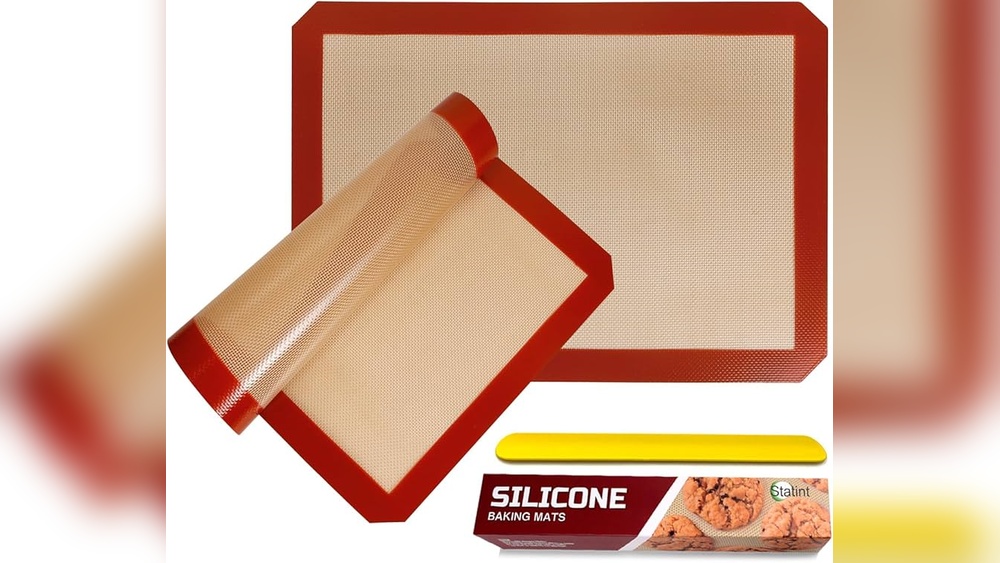
Silicone baking mats offer many benefits for home bakers and chefs. They improve baking by providing a smooth, reliable surface. These mats help make cooking easier and cleaner. Using them often means less waste and less mess in the kitchen.
Non-stick Surface Advantages
Silicone mats have a natural non-stick surface. Foods do not stick or burn easily on them. This means no need for extra oils or sprays. Cleaning up becomes quick and simple. Cakes, cookies, and pastries come out perfect every time.
Heat Resistance Features
These mats can resist very high temperatures. Most can handle heat up to 480°F (250°C). They protect baking sheets from direct heat. This makes baking safer and more even. No warping or melting occurs with proper use.
Eco-friendly And Reusable Qualities
Silicone mats are reusable and last for years. They replace disposable parchment paper or foil. This reduces kitchen waste and saves money. Made from food-grade silicone, they are safe and non-toxic. A smart choice for the environment and your budget.
Choosing The Right Silicone Mat
Choosing the right silicone baking mat is important for safe and effective use. The right mat can make your baking easier and cleaner. It also helps prevent sticking and burning. Several factors matter when picking a silicone mat. Size, thickness, certification, and brand quality all play a role. This guide helps you find the best mat for your kitchen.
Size And Thickness Considerations
Select a silicone mat that fits your baking trays. A mat too small or too large can cause uneven cooking. Thickness affects durability and heat resistance. Thicker mats last longer and spread heat evenly. Thin mats may tear or warp faster. Choose a size and thickness that match your baking needs.
Food-grade Certification
Always check for food-grade certification on silicone mats. This confirms the mat is safe for cooking and baking. Certified mats do not release harmful chemicals. Look for FDA or LFGB approval. These certifications ensure the silicone is non-toxic and heat safe. Avoid mats without clear food safety labels.
Brand And Quality Differences
Brands vary in quality and price. Well-known brands usually offer better durability and safety. Cheap mats may contain fillers or low-quality silicone. Read reviews and compare products before buying. Investing in quality mats ensures they last long and stay safe. Quality mats provide a better baking experience overall.
Preparing Your Mat For Use
Preparing your silicone baking mat before use helps ensure safe and effective baking. Proper preparation improves the mat’s performance and extends its life. It also prevents unwanted flavors or residues from affecting your food.
Cleaning Before First Use
Rinse the silicone baking mat with warm water. Use mild soap and a soft sponge to clean it gently. Avoid harsh detergents or scrubbers that can damage the mat. Rinse thoroughly to remove all soap. Let the mat air dry completely before using it for baking.
Proper Placement On Baking Sheets
Place the silicone mat flat on the baking sheet. Ensure it fits well and lies evenly without wrinkles. Do not fold or overlap the edges. The mat should cover the baking surface fully for even heat distribution. Avoid placing it directly on oven racks without a baking sheet underneath.
Safe Baking Practices
Using silicone baking mats can make baking easier and cleaner. Safe baking practices protect your mats and keep your food healthy. Follow these tips to use your silicone mats properly and avoid damage or safety risks.
Temperature Limits To Follow
Check the temperature limit on your silicone mat packaging. Most mats handle temperatures up to 480°F (250°C). Avoid heating mats above this limit to stop melting or burning. Use an oven thermometer to be sure your oven does not get too hot. High heat can ruin the mat and release harmful fumes.
Avoiding Direct Contact With Open Flames
Never place silicone mats directly over open flames. Flames cause the mats to melt or catch fire. Keep mats on baking trays or oven racks only. Use mats inside the oven, not on stovetops or grills. This keeps your mats safe and extends their life.
Using Mats With Different Oven Types
Silicone mats work well in electric and gas ovens. For convection ovens, place mats on a flat baking sheet. Avoid using mats in microwave ovens unless the packaging says so. Some ovens have hot spots; rotate trays to cook evenly. Follow manufacturer instructions for each oven type.
Cleaning And Maintenance Tips
Keeping silicone baking mats clean is key to their long life. Proper care stops smells and stains. It also keeps your mats safe for baking. Follow these simple cleaning and maintenance tips to make your mats last.
Hand Washing Vs. Dishwasher Use
Hand washing is gentle and helps keep mats in good shape. Use warm water and mild soap. Scrub softly with a sponge or cloth. Avoid harsh scrubbers that can damage the surface.
Dishwasher use is okay for many silicone mats. Check the mat’s instructions first. Place the mat on the top rack only. The dishwasher’s heat can sometimes warp mats if placed too close to the heating element.
Removing Stubborn Stains And Odors
Stains may happen after baking sticky or oily foods. Make a paste with baking soda and water. Rub it gently on the stained area. Let it sit for 10 minutes, then rinse well.
To remove odors, soak the mat in warm water with vinegar. Leave it for 20 minutes. Rinse the mat thoroughly. This helps remove lingering smells from strong foods.
Storage Suggestions To Preserve Shape
Store mats flat to keep their shape. Rolling them loosely can also work, but avoid tight rolls. Do not fold mats, as this causes creases.
Keep mats in a cool, dry place. Avoid placing heavy objects on top. This prevents warping and damage.
Common Mistakes To Avoid
Silicone baking mats are great tools for baking and cooking. They save time and reduce mess. Still, some common mistakes can cause damage or reduce their lifespan. Avoid these errors to keep your mat safe and useful for a long time.
Cutting On The Mat
Never cut directly on a silicone baking mat. Sharp knives or blades can damage the silicone surface. This damage can cause the mat to lose its non-stick qualities. Use a cutting board instead of the mat for chopping or slicing.
Overheating Beyond Recommended Limits
Check the maximum temperature your silicone mat can handle. Most mats are safe up to 480°F (250°C). Exceeding this limit can melt or warp the mat. Avoid using the mat under a broiler or on open flames. Heat damage shortens the mat’s life and may release harmful fumes.
Using With Non-compatible Foods
Some foods or cooking methods do not suit silicone mats. Avoid placing very greasy or oily foods directly on the mat. Sticky or sugary items can stick and become hard to clean. Also, do not use the mat with foods that require high heat frying or grilling.
Creative Uses Beyond Baking
Silicone baking mats are not just for baking. Their heat resistance and non-stick surface make them great for other uses. These mats can help in craft projects and even in the kitchen beyond baking. They are easy to clean and flexible, perfect for many creative tasks.
Craft Projects And Diy Uses
Use silicone mats as a work surface for glue and paint projects. They protect tables from spills and mess. The non-stick surface lets you peel off dried glue or paint easily. Great for making jewelry or decorating items. Also, use mats for rolling out clay or dough for crafts. They keep materials from sticking and make cleanup simple.
Freezing And Candy Making
Silicone mats work well for freezing small food items like fruits or herbs. Spread pieces on the mat to freeze without clumping. They also serve as a good base for making candies or chocolates. The mats handle heat and cold, so candy cools evenly. Easy to remove candies without breaking or sticking.
:max_bytes(150000):strip_icc()/silicone-baking-mat-getty-0521-2000-63e00c68db2b4f6aa4585dbf2ec85397.jpg)
Credit: www.marthastewart.com
Frequently Asked Questions
What Temperature Limits Should I Follow For Silicone Baking Mats?
Silicone baking mats usually work well up to 480°F (250°C). Avoid using them under a broiler or open flame to prevent damage. Always check the manufacturer’s temperature guidelines.
Can Silicone Mats Be Used Directly On Oven Racks?
No, silicone mats should be placed on baking sheets or trays, not directly on oven racks. Direct heat can cause uneven cooking or damage the mat. This helps keep the mat safe and your food cooked evenly.
How Do I Clean Silicone Baking Mats Safely?
Clean mats with warm, soapy water using a soft sponge or cloth. Avoid abrasive scrubbers that can damage the surface. Let the mat air dry completely before storing.
Are Silicone Mats Safe For Food Contact And Reuse?
Yes, silicone mats are food-safe and designed for repeated use. They do not release harmful chemicals when used properly. Always keep mats clean to maintain safety and hygiene.
Conclusion
Silicone baking mats make baking easier and cleaner. Use them on flat surfaces and avoid sharp tools. Clean them gently with warm water and mild soap. Store mats rolled or flat to keep their shape. Avoid high heat beyond the mat’s limit to stay safe.
Following these tips helps your mats last longer. Enjoy baking with less mess and more fun. Simple care keeps your mats safe and useful every time.