Are you struggling with dry air that leaves your skin itchy, your throat scratchy, and your home feeling uncomfortable? You’re not alone.
Dry air can cause a lot of discomfort, especially during colder months or in places with low humidity. But what if there was a simple, effective way to bring moisture back into your space? Portable humidifiers might be the answer you’ve been looking for.
You’ll discover how these handy devices work, the benefits they offer, and whether they could be the solution to your dry air problems. Keep reading to find out how you can breathe easier and feel better every day.
Causes Of Dry Indoor Air
Dry indoor air can make your home feel uncomfortable. It also affects your health and furniture. Understanding the causes of dry air helps to find the right solution. Many factors lower the moisture inside your home. Some are natural, while others come from home systems.
Seasonal Changes And Heating Systems
Winter often brings dry air inside. Cold air holds less moisture than warm air. When heaters warm this cold air, it becomes even drier. Central heating and space heaters remove moisture from the air. This makes the indoor air dry and stale. The longer the heating runs, the drier the air gets.
Impact On Skin And Respiratory Health
Dry air can cause itchy, flaky skin. Lips may crack and feel sore. It also irritates the nose and throat. Breathing dry air can worsen allergies and asthma. The body loses moisture faster in dry conditions. This leads to discomfort and health problems.
Credit: laylasleep.com
How Portable Humidifiers Work
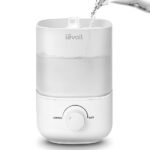
Portable humidifiers add moisture to dry air, making indoor spaces more comfortable. They are small, easy to carry, and work well in bedrooms, offices, or small rooms. Understanding how these devices work helps choose the right one for your needs.
Types Of Portable Humidifiers
There are several types of portable humidifiers. The most common are ultrasonic, evaporative, and steam vaporizers. Ultrasonic humidifiers use vibrations to create a fine mist. Evaporative models use a wick filter and a fan to release moisture. Steam vaporizers boil water and release warm steam. Each type has unique benefits and suits different environments.
Mechanisms Of Moisture Release
Humidifiers release moisture in different ways. Ultrasonic humidifiers use high-frequency vibrations to break water into tiny droplets. These droplets form a cool mist that spreads into the air. Evaporative humidifiers pull air through a wet wick, adding moisture naturally. Steam vaporizers heat water until it turns into steam, then release it to raise humidity quickly. These methods help balance indoor air moisture effectively.
Benefits Of Using Portable Humidifiers
Portable humidifiers bring many benefits to indoor spaces. They add moisture to dry air quickly and easily. This helps improve comfort and health in rooms of any size. Small and convenient, these devices fit well in homes, offices, or bedrooms. They help keep air fresh and balanced.
Improved Air Quality
Portable humidifiers increase moisture in dry rooms. This stops dust and allergens from spreading. Moist air feels fresher and cleaner to breathe. They also reduce static electricity in the air. This makes the environment safer for electronic devices. The cleaner air supports overall well-being.
Relief For Dry Skin And Sinus Issues
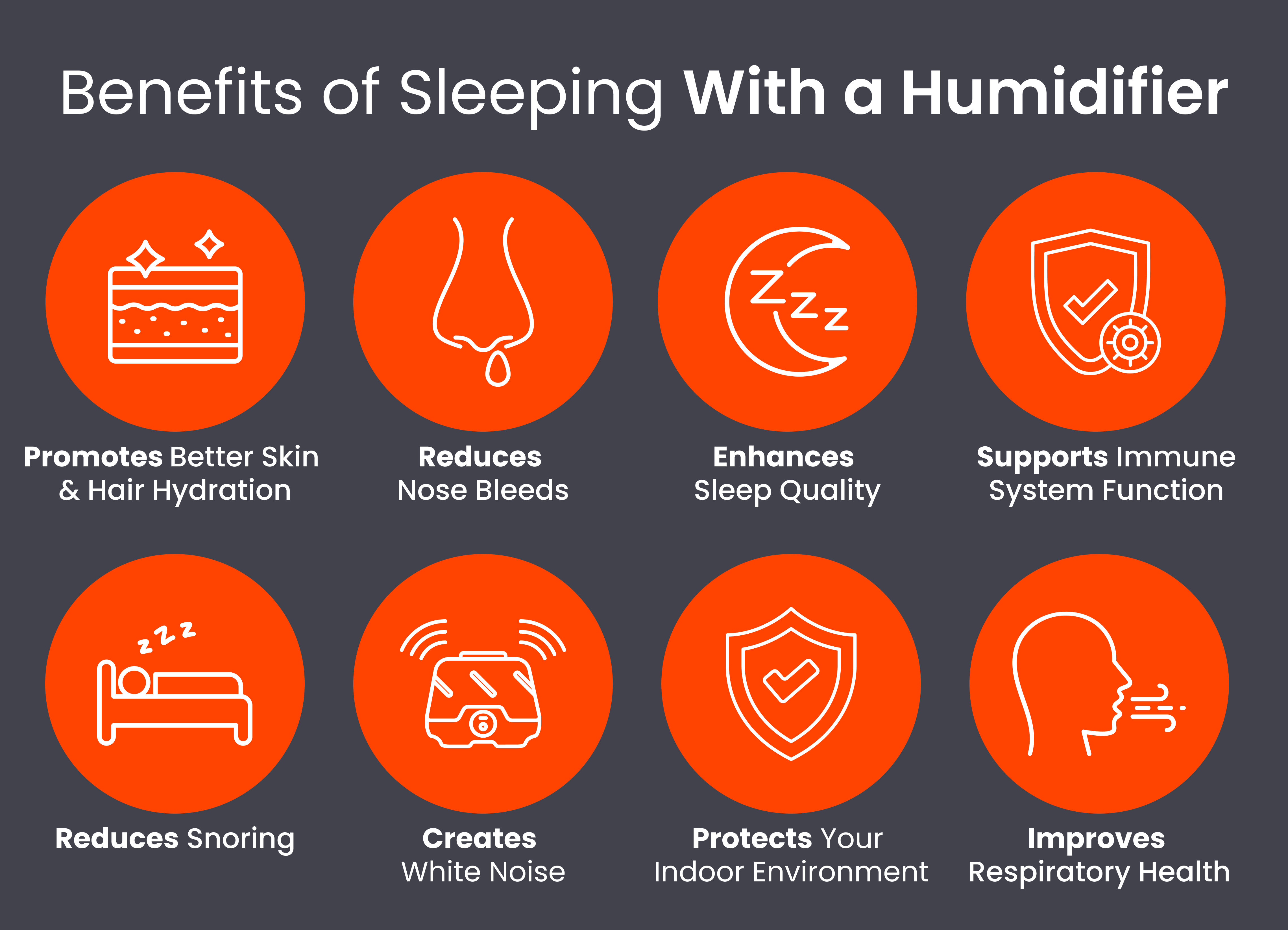
Dry air often causes itchy skin and irritated sinuses. Portable humidifiers add moisture that soothes dry skin. They help prevent chapped lips and flaky patches. Moist air also eases sinus discomfort and congestion. This reduces headaches and breathing problems. Humidifiers support healthier skin and clearer sinuses.
Better Sleep And Comfort
Dry air can disturb sleep with coughing or dry throats. Portable humidifiers create a comfy, moist environment for rest. They help reduce snoring by keeping airways moist. This leads to deeper, more restful sleep. Waking up refreshed becomes easier with balanced humidity.
Credit: www.healthline.com
Choosing The Right Portable Humidifier
Choosing the right portable humidifier can make a big difference in beating dry air. Not all humidifiers work the same. Picking one that fits your needs helps keep your room comfortable and healthy. Think about the space size, how long it runs, and easy upkeep. These points make choosing easier and better for your home.
Size And Capacity Considerations
Pick a humidifier size that matches your room. Small units work well for bedrooms or offices. Larger spaces need bigger tanks to keep air moist longer. A small tank means refilling often. A big tank lasts longer but may be heavier. Choose size based on where you use it most.
Features To Look For
Look for controls that are simple to use. Some have adjustable mist levels for comfort. Auto shut-off is good for safety when the water runs out. Quiet operation helps if you use it at night. Check if it has a night light or timer. These features add convenience without extra cost.
Maintenance And Cleaning Tips
Clean your humidifier often to stop germs from growing. Empty the tank daily and dry it well. Use vinegar or mild soap to wash parts weekly. Avoid harsh chemicals that damage the unit. Regular cleaning keeps air fresh and the machine working well. A clean humidifier lasts longer and stays safe.
Potential Drawbacks And Safety Tips
Portable humidifiers can improve dry air but come with some drawbacks. Knowing these helps you use them safely. Careful use prevents health problems and equipment damage.
Over-humidification Risks
Too much moisture can harm your home and health. High humidity causes damp walls and peeling paint. It can also trigger allergies and worsen asthma symptoms. Keep humidity levels between 30% and 50%. Use a hygrometer to monitor your room’s moisture. Avoid running the humidifier all day without breaks.
Mold And Bacteria Prevention
Humidifiers need regular cleaning. Standing water in the tank breeds mold and bacteria. These germs spread in the air and cause sickness. Empty and dry the tank daily. Use clean, filtered water to reduce impurities. Follow the manufacturer’s cleaning instructions strictly. Proper care keeps the air fresh and safe.
Alternative Solutions For Dry Air
Dry air can cause discomfort and health problems. Portable humidifiers help, but other options exist too. These alternative solutions can improve indoor humidity naturally and effectively.
Natural Methods To Increase Humidity
Place bowls of water near heat sources. The heat will help water evaporate slowly.
Houseplants release moisture into the air. They also improve air quality.
Dry clothes indoors on a rack. This adds moisture without extra devices.
Open bathroom doors after showers. Steam spreads to other rooms.
Combining Humidifiers With Other Devices
Use a humidifier along with an air purifier. Clean air feels fresher and less dry.
Fans help spread moisture evenly around the room.
Use a hygrometer to monitor humidity levels. Adjust devices for best comfort.
Frequently Asked Questions
What Are The Benefits Of Using Portable Humidifiers?
Portable humidifiers add moisture to dry air, helping to ease breathing and reduce dry skin.
Can Portable Humidifiers Improve Sleep Quality?
Yes, humidifiers can reduce snoring and dry throat, making sleep more comfortable and restful.
How Often Should I Clean A Portable Humidifier?
Clean your humidifier every three days to prevent mold and bacteria buildup.
Are Portable Humidifiers Safe For Children And Pets?
Most portable humidifiers are safe but choose models with cool mist to avoid burns.
Conclusion
Portable humidifiers can ease dry air problems in your home. They add moisture, making the air feel fresher and softer. This helps with dry skin, throat, and even breathing. Small and easy to move, they fit any room. Use them safely and clean often to avoid germs.
A portable humidifier is a simple way to improve air quality. It brings comfort and helps you feel better every day. Give your dry space some moisture and notice the difference.