Have you ever worried about someone stealing your personal information without you even knowing? Your wallet holds more than just cash—it carries sensitive data like credit card details and ID numbers.
That’s where RFID blocking wallets come in. They act as a shield, protecting your information from invisible digital thieves. You’ll discover exactly how to use RFID blocking wallets to keep your data safe and enjoy peace of mind every time you step out.
Ready to learn the simple steps that can protect your identity? Let’s dive in.

Credit: www.polareoriginal.com
What Is An Rfid Blocking Wallet
An RFID blocking wallet protects your cards from electronic theft. It stops criminals from stealing your card data without touching your wallet. This type of wallet has special materials inside. These materials block radio waves used by scanners to read RFID chips.
Many credit cards, ID cards, and passports have RFID chips. These chips store your personal information. Thieves use scanners to steal data through your wallet. An RFID blocking wallet creates a shield that stops this.
How Does An Rfid Blocking Wallet Work?
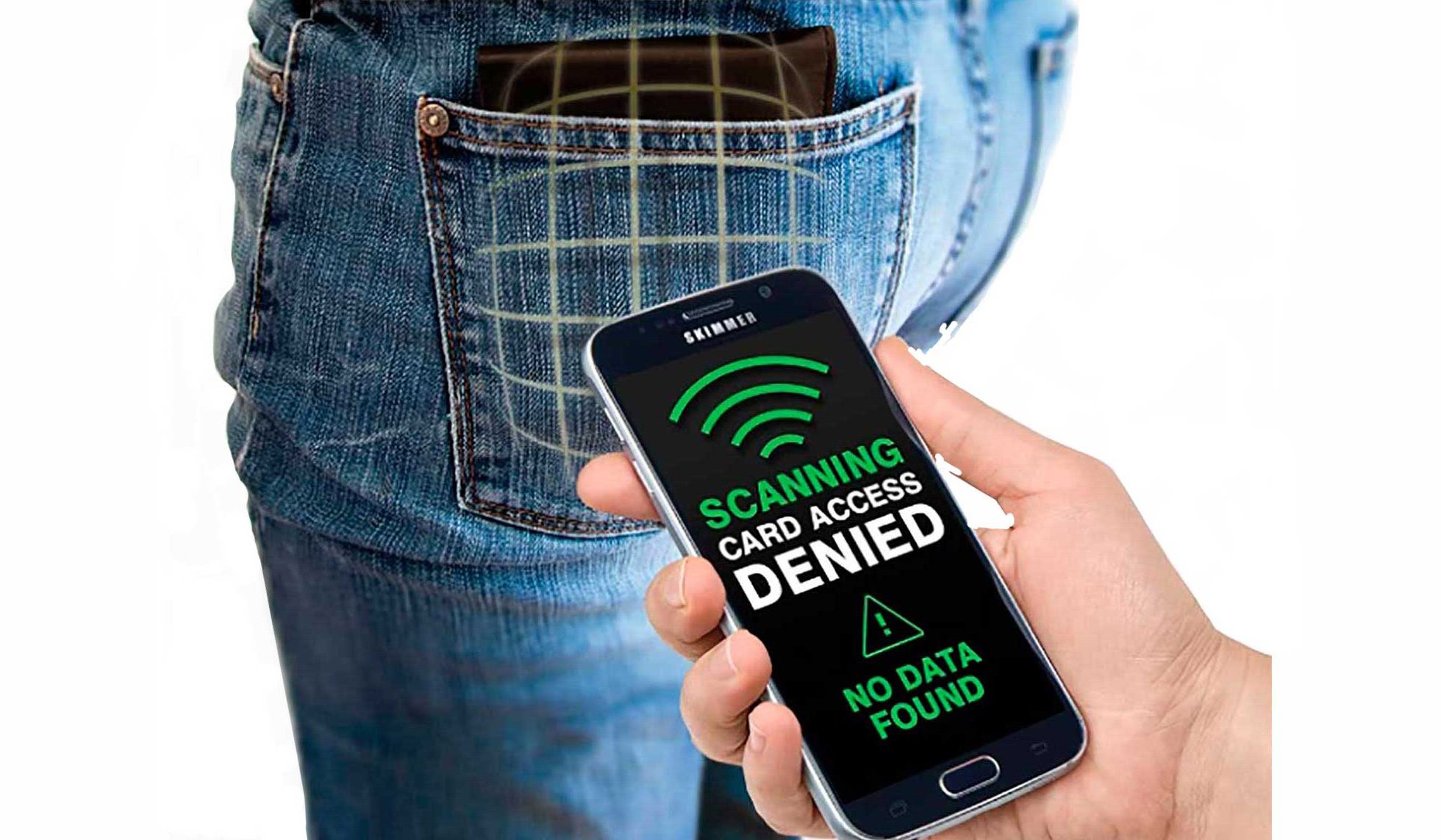
The wallet uses metal or carbon fiber layers inside. These layers create a barrier against radio waves. When a scanner tries to read your card, signals can’t pass through. This blocks data transfer and keeps your information safe.
Materials Used In Rfid Blocking Wallets
Common materials include aluminum, copper, and carbon fiber. These metals stop electromagnetic signals from reaching your cards. The wallet’s lining holds these materials without adding bulk. This keeps your wallet slim and easy to carry.
Why Use An Rfid Blocking Wallet?
Electronic pickpocketing is a growing problem worldwide. RFID blocking wallets reduce the risk of data theft. They protect your personal and financial information. Carrying one gives peace of mind during travel or daily use.
How Rfid Wallets Protect Your Data
RFID wallets keep your personal data safe from electronic theft. They block signals that thieves use to scan cards without touching them. This simple barrier stops criminals from stealing your credit card info or ID details.
These wallets use special materials that prevent radio waves from reaching your cards. They act like a shield, protecting your sensitive information. You can carry your wallet anywhere without worrying about invisible scanners.
What Is Rfid Technology?
RFID stands for Radio Frequency Identification. It uses radio waves to read data stored on small chips. Many credit cards and IDs have RFID chips for fast scanning. This makes paying or showing ID quick and easy.
How Thieves Use Rfid Scanners
Thieves use hidden RFID scanners to steal card information. They can scan your wallet without your knowledge. This is called “electronic pickpocketing.” It is quick and leaves no trace.
Material Inside Rfid Wallets
RFID wallets have metal or carbon fiber layers inside. These materials block radio waves. They stop scanners from reading the chips in your cards. The wallet acts like a Faraday cage, shielding your data.
Benefits Of Using Rfid Wallets
Using an RFID wallet reduces the risk of identity theft. It protects your money and personal details. These wallets are easy to use and look like regular wallets. They give peace of mind in crowded places.
Types Of Rfid Blocking Wallets
RFID blocking wallets protect your cards from electronic theft. They come in different styles and materials. Each type offers unique benefits. Choosing the right one depends on your needs and style.
Leather Rfid Wallets
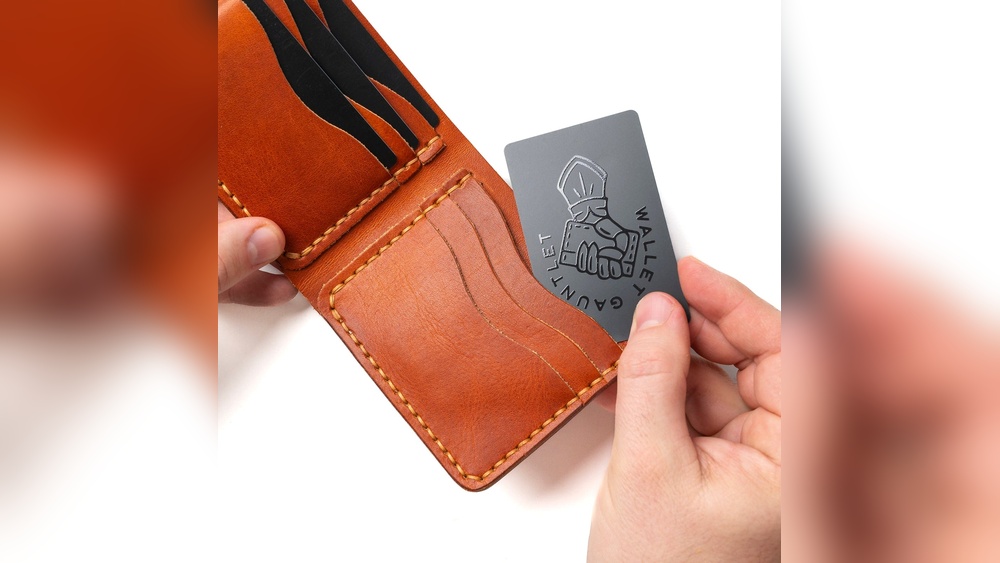
Leather RFID wallets combine style and protection. They feel soft and look classic. These wallets block RFID signals with a special lining inside. They last long and age beautifully. Ideal for those who want a traditional wallet with modern security.
Metal Rfid Wallets
Metal RFID wallets offer strong protection against RFID scanning. Made from aluminum or stainless steel, they block signals completely. These wallets are slim and durable. Perfect for people who want a sleek, tough design. They also resist water and damage better than others.
Fabric Rfid Wallets
Fabric RFID wallets use woven materials with RFID blocking layers. They are lightweight and flexible. Many come in colorful designs and patterns. These wallets suit casual styles and active lifestyles. Easy to carry and comfortable in pockets or bags.
Choosing The Right Rfid Wallet
Choosing the right RFID wallet is important to keep your cards safe and organized. The wallet must fit your daily needs and style. It should protect your information without adding bulk. Think about how you carry your wallet and what you need inside.
Size And Capacity
Pick a wallet that holds all your cards comfortably. Too small, and it won’t fit everything. Too big, and it feels bulky in your pocket. Count your cards and cash before choosing the size. Some RFID wallets also have extra slots for receipts or coins. Choose a size that matches your usual carry.
Material And Durability
Look for wallets made with strong materials. Leather, metal, and high-quality fabric are common choices. A durable wallet lasts longer and protects better. It should resist daily wear and tear. Check if the RFID blocking layer is well built inside. Durable wallets keep your data safe for years.
Design And Style
Find a design that matches your personal taste. RFID wallets come in many styles and colors. Slim and minimalist for a modern look. Classic bi-fold or tri-fold for traditional users. Consider the wallet’s weight and feel in your hand. A stylish wallet makes you feel confident and organized.
Setting Up Your Rfid Blocking Wallet
Setting up your RFID blocking wallet is simple and quick. Organize your items carefully for easy access. This ensures you get the most protection and convenience from your wallet.
Organizing Cards
Place your most used cards in the front slots. Keep credit, debit, and ID cards separated. Avoid overcrowding the slots. This helps the RFID blocking work effectively and lets you find cards fast.
Placing Cash And Receipts
Fold your cash neatly before placing it inside. Use a separate compartment for receipts. Keep receipts away from cards to reduce bulk. This keeps your wallet slim and clean.
Keeping Track Of Important Items
Check your wallet regularly to avoid losing items. Use a small tracker if needed for extra security. Keep important cards and cash in the RFID section only. This protects your valuables from digital theft.
Tips For Maximizing Rfid Protection
Using an RFID blocking wallet helps protect your personal data from electronic theft. To get the best protection, follow simple steps that keep your wallet effective. These tips will help you use your RFID wallet smartly and keep your cards safe.
Regularly Check For Damage
Inspect your RFID wallet often for any tears or holes. Small damages can let signals pass through. Replace the wallet if it shows signs of wear. A damaged wallet loses its ability to block RFID signals well.
Avoid Overstuffing
Do not fill your wallet too much. Too many cards or receipts can stretch the material. Overstuffing may reduce the RFID blocking effect. Keep only essential cards inside for better protection.
Combine With Other Security Measures
Use your RFID wallet with additional safety steps. Keep cards in a safe place when not in use. Monitor your bank statements for unusual activity. Using more than one protection method strengthens your security.
Common Myths About Rfid Wallets
RFID blocking wallets help protect your cards from unauthorized scanning. Many people have doubts about how well they work. Some common myths create confusion about their use and effectiveness. Clearing up these myths helps you make better choices.
Myth: Rfid Wallets Block All Types Of Scanning
Not all scanning methods are stopped by RFID wallets. These wallets block only RFID signals. Other methods, like physical card reading, are not affected. Keep this in mind when protecting your cards.
Myth: Rfid Theft Happens Very Often
Cases of RFID theft are rare. Thieves need special tools and close distance to steal data. Most card fraud happens through lost or stolen cards, not RFID scanning.
Myth: Any Wallet Can Block Rfid Signals
Regular wallets do not block RFID signals. Special materials like metal or carbon fiber are needed. Look for wallets labeled as RFID blocking for real protection.
Myth: Rfid Wallets Are Bulky And Uncomfortable
Modern RFID wallets are slim and light. Technology allows protection without extra bulk. You can carry them easily in any pocket or bag.
Myth: Rfid Wallets Are Expensive
Many affordable RFID wallets exist today. Prices vary by brand and design. Choose one that fits your budget and needs.

Credit: www.youtube.com
Maintaining And Cleaning Your Rfid Wallet
Maintaining and cleaning your RFID wallet helps keep it working well and looking good. Dirt and dust can build up with daily use. Taking care of your wallet will extend its life and protect your cards. Simple steps can keep your wallet clean without damaging its RFID blocking features.
Cleaning The Exterior Of Your Rfid Wallet
Use a soft cloth to wipe the outside of your wallet. Avoid harsh chemicals or strong soaps. A damp cloth with mild soap is safe for most materials. Gently rub the surface to remove stains or dirt. Let the wallet air dry completely before using it again.
Keeping The Interior Safe And Clean
Open your wallet and remove all cards. Use a dry cloth to clean the inside pockets. If needed, use a slightly damp cloth for stubborn dirt. Avoid soaking the inside to protect the RFID lining. Dry the interior fully before putting cards back inside.
Storing Your Rfid Wallet Properly
Store your wallet in a cool, dry place when not in use. Avoid direct sunlight and damp areas. Keep it away from sharp objects to prevent scratches. Proper storage helps maintain its shape and effectiveness. Use a small pouch or box for extra protection.
Credit: www.ironcladfamily.com
Frequently Asked Questions
What Is An Rfid Blocking Wallet Used For?
An RFID blocking wallet protects your cards from electronic theft by stopping unauthorized scans.
How Do Rfid Blocking Wallets Protect My Cards?
They use special materials that block radio waves to keep your card data safe.
Can Rfid Blocking Wallets Stop All Types Of Card Theft?
They mainly stop electronic pickpocketing but do not protect against physical theft.
How Do I Know If My Wallet Blocks Rfid Signals?
Look for labels or product details that confirm RFID blocking technology inside the wallet.
Conclusion
RFID blocking wallets help protect your personal data from thieves. They stop wireless scanning of your cards and ID. Using one is simple—just place your cards inside. Choose a wallet that fits your style and needs. Keep your information safe wherever you go.
Small steps like this make a big difference. Stay aware and protect your privacy every day. A secure wallet adds peace of mind to your routine. Try it out and see how easy it is. Your data deserves safe, smart protection.