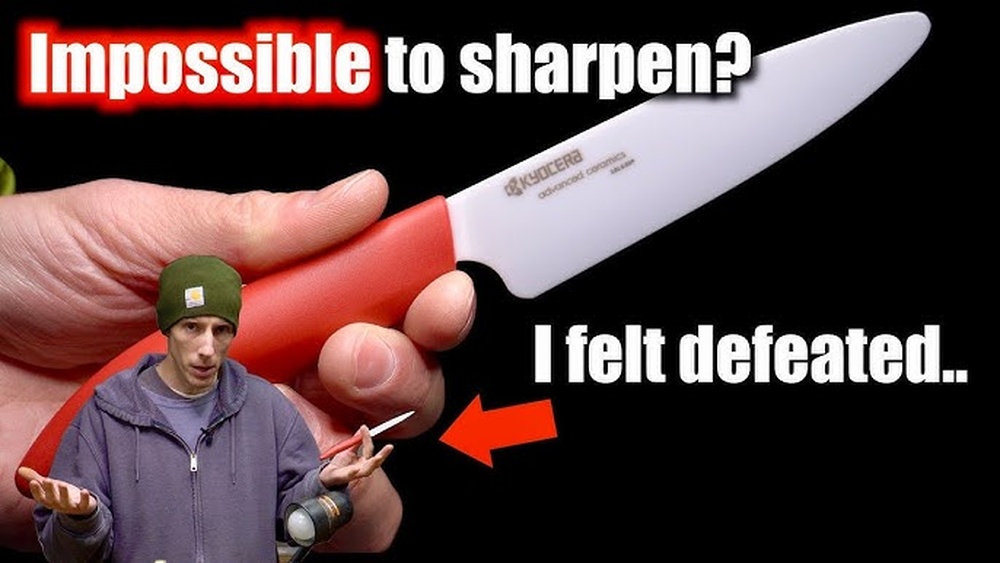
Your ceramic knife is sharp, sleek, and perfect for precise cutting—but over time, even the best blades lose their edge. If you’ve noticed your knife isn’t slicing as smoothly as before, don’t worry.
You can bring back that sharpness with the right technique. In this guide, you’ll discover simple, effective ways to sharpen your ceramic knife safely and quickly. Keep reading, and you’ll soon have your knife cutting like new again.
Why Sharpen Ceramic Knives Differently
Ceramic knives need special care during sharpening. Their unique material changes how you sharpen them. Ordinary sharpening tools can damage ceramic blades. Understanding their properties helps keep the edge sharp and strong.
Material Properties Of Ceramic Blades
Ceramic blades are made from zirconium oxide. This makes them very hard but also brittle. They hold sharp edges longer than steel knives. Their hardness means regular sharpeners cannot work well. Using steel-based sharpeners can cause cracks or chips. Only diamond or special ceramic sharpeners suit these blades. The blade’s surface is smooth and delicate. Sharpening must be gentle to avoid damage.
Common Mistakes To Avoid
Using wrong sharpeners can ruin ceramic knives. Avoid using metal sharpening rods or stones. Applying too much pressure may cause the blade to break. Sharpening at the wrong angle weakens the edge. Trying to sharpen at home without proper tools risks damage. Cleaning the knife incorrectly after sharpening can cause stains. Always use tools designed for ceramic blades. Handle the knife carefully during and after sharpening.

Credit: www.wikihow.com
Tools Needed For Sharpening
Sharpening a ceramic knife requires specific tools designed for hard and brittle blades. Using the right equipment makes sharpening easier and safer. It also helps keep the blade sharp for longer. This section covers the best tools for sharpening ceramic knives.
Diamond Sharpening Stones
Diamond sharpening stones are perfect for ceramic knives. Their hard surface can grind the tough ceramic blade without damage. These stones come in different grit levels. Coarse grit removes chips and dull edges fast. Fine grit smooths and polishes the blade’s edge. Use water or oil as a lubricant during sharpening.
Electric Sharpeners Suitable For Ceramic
Some electric sharpeners work well with ceramic knives. Look for models with diamond-coated wheels. These sharpeners speed up the process and provide a consistent edge. Make sure the sharpener has a setting for ceramic blades. Avoid using regular sharpeners designed only for steel knives.
Alternative Sharpening Methods
Alternative methods include using diamond-coated rods or ceramic sharpening sticks. These tools help maintain the edge between full sharpenings. They are easy to handle and good for quick touch-ups. Another option is professional sharpening services. Experts use special machines to sharpen ceramic knives safely.
Preparing Your Knife For Sharpening
Preparing your ceramic knife for sharpening is a key step. It ensures the sharpening process is safe and effective. Proper preparation helps protect the knife and you from damage. Follow these steps to get ready.
Cleaning And Inspection
Start by cleaning the knife carefully. Use warm water and mild soap. Remove any food or dirt from the blade. Dry the knife fully with a soft cloth. Check the blade for chips or cracks. Small damages can worsen during sharpening. If the knife has serious damage, avoid sharpening it.
Setting Up A Safe Sharpening Area
Choose a flat, stable surface for sharpening. This prevents slips and accidents. Make sure the area is well-lit. Good lighting helps you see the blade clearly. Keep children and pets away from the area. Have a towel or non-slip mat under the knife. This keeps the knife steady during sharpening.
Step-by-step Sharpening Process
Sharpening a ceramic knife needs care and the right tools. Follow these steps to keep your blade sharp and safe. The process is simple but must be done carefully. This guide shows you how to sharpen your ceramic knife easily.
Choosing The Right Angle
Set the knife at a 15 to 20-degree angle. This angle protects the ceramic edge. Hold the knife steady for even sharpening. Avoid too steep or shallow angles. Consistency keeps the blade sharp and strong.
Using A Diamond Stone Correctly
Use a fine-grit diamond stone for ceramic knives. Wet the stone slightly before starting. Move the knife blade gently across the stone. Use smooth, even strokes from heel to tip. Repeat on both sides until sharp.
Sharpening With An Electric Sharpener
Choose an electric sharpener made for ceramic blades. Insert the knife slowly and follow the machine’s instructions. Let the sharpener guide the angle for you. Do not press hard; let the sharpener do the work. Check the blade often to avoid over-sharpening.
Finishing Touches For A Polished Edge
Use a ceramic honing rod to smooth the edge. Lightly run the blade along the rod a few times. Clean the knife with water and dry it well. Test the sharpness carefully on a soft material. Your knife is ready for safe use.
Maintaining Sharpness Longer
Keeping your ceramic knife sharp for a long time saves effort and money. Sharpness affects how well the knife cuts and how safe it feels to use. Small habits can protect the blade and keep it working well. Follow these tips to maintain sharpness longer.
Proper Storage Tips
Store ceramic knives in a knife block or on a magnetic strip. Avoid tossing them in a drawer with other utensils. Contact with hard objects can chip the blade. Use blade guards if you need to carry the knife. Keep the knife dry to stop rust on the metal parts.
Regular Honing Techniques
Honing helps keep the edge aligned without removing much material. Use a diamond honing rod made for ceramic blades. Hold the rod steady and slide the knife gently along the rod. Do this a few times on each side. Avoid using steel rods; they can damage ceramic blades.
Avoiding Damage During Use
Cut only soft foods like fruits and vegetables. Avoid bones, frozen foods, or hard shells. Do not twist or pry with the knife. Use a wooden or plastic cutting board to protect the blade. Avoid dropping the knife, as ceramic blades are brittle and can break easily.

Credit: www.youtube.com
Signs Your Ceramic Knife Needs Sharpening
Recognizing the signs that your ceramic knife needs sharpening is important for safe and efficient use. Dull blades reduce cutting precision and increase the risk of accidents. Paying attention to specific indicators helps keep your knife in top condition.
Performance Indicators
A ceramic knife that struggles to cut through food is a clear sign. You may notice it requires more force than before. Slicing becomes uneven and takes longer. The blade may slip off the surface rather than slice cleanly. These issues affect your cooking speed and safety.
Visual Clues On The Blade
Look closely at the blade edges for chips or cracks. Small chips can dull the knife quickly. The blade may appear dull or less shiny than usual. A rough or uneven edge means it is time to sharpen. Regular checks prevent damage and extend the knife’s life.
When To Seek Professional Sharpening
Ceramic knives are sharp and durable but need proper care. Some damage is easy to fix at home. Other problems require expert help. Knowing when to seek professional sharpening saves your knife from worse damage. It keeps the blade safe and working well for longer.
Complex Damage Repair
Chips, cracks, or deep scratches need special tools. Home sharpening tools cannot fix these properly. Professionals use diamond wheels and precise techniques. They restore the edge without breaking the blade. Complex damage repair improves safety and sharpness. Trying to fix serious damage yourself can cause more harm.
Finding Certified Sharpening Services
Not all sharpening shops handle ceramic knives. Choose services with certified experience in ceramic blades. Certified sharpeners know the right angles and materials. They protect the knife’s ceramic surface and edge. Check reviews and ask about their sharpening process. A trusted professional keeps your knife like new.
Credit: www.vosknife.com
Frequently Asked Questions
How Often Should I Sharpen A Ceramic Knife?
Sharpen ceramic knives after 6 to 12 months, depending on use and blade dullness.
What Tools Are Best For Sharpening Ceramic Knives?
Use a diamond sharpening stone or a ceramic knife sharpener for best results.
Can I Sharpen A Ceramic Knife At Home Safely?
Yes, with the right tools and care, sharpening at home is safe and easy.
Why Is Sharpening Ceramic Knives Different From Steel Knives?
Ceramic blades are harder and need diamond tools, unlike steel knives that use regular stones.
Conclusion
Sharpening a ceramic knife keeps it working well and safe to use. Use the right tools and gentle strokes for best results. Take your time and check the blade often. Avoid strong pressure to protect the knife’s edge. Regular care helps the knife last a long time.
Keep practicing these simple steps for a sharp blade. Now, you can cut easily and enjoy cooking more.