Choosing the right blender can feel overwhelming with so many options out there. You want a blender that’s powerful, durable, and easy to use—something that fits your lifestyle and kitchen needs perfectly.
But how do you know which one is truly worth your money? You’ll discover simple tips to pick a quality blender that saves you time, makes your favorite recipes better, and lasts for years. Keep reading, and you’ll soon feel confident making the best choice for your kitchen.
Key Features To Consider
Choosing a quality blender means looking at features that matter most. These features help you pick a blender that works well and lasts long. Knowing what to check makes the choice easier and smarter.
Motor Power And Speed Settings
Motor power affects how well a blender handles tough ingredients. Higher watts mean stronger blending. Multiple speed settings give control over texture. Low speeds mix soft foods gently. High speeds crush ice and hard items fast.
Blade Material And Design
Blades made from stainless steel last longer and resist rust. Sharp blades blend ingredients smoothly. The design should create a strong vortex. This pulls food down for even blending. Some blades are removable for easy cleaning.
Jar Capacity And Material
Choose a jar size that fits your needs. Small jars suit single servings. Larger jars work for families or groups. Glass jars do not hold odors. Plastic jars are lighter but can scratch. Look for jars marked BPA-free for safety.
Ease Of Cleaning
Cleaning should be quick and simple. Removable parts help reach all spots. Dishwasher-safe pieces save time. Smooth surfaces prevent food from sticking. Easy cleaning keeps the blender fresh and ready.
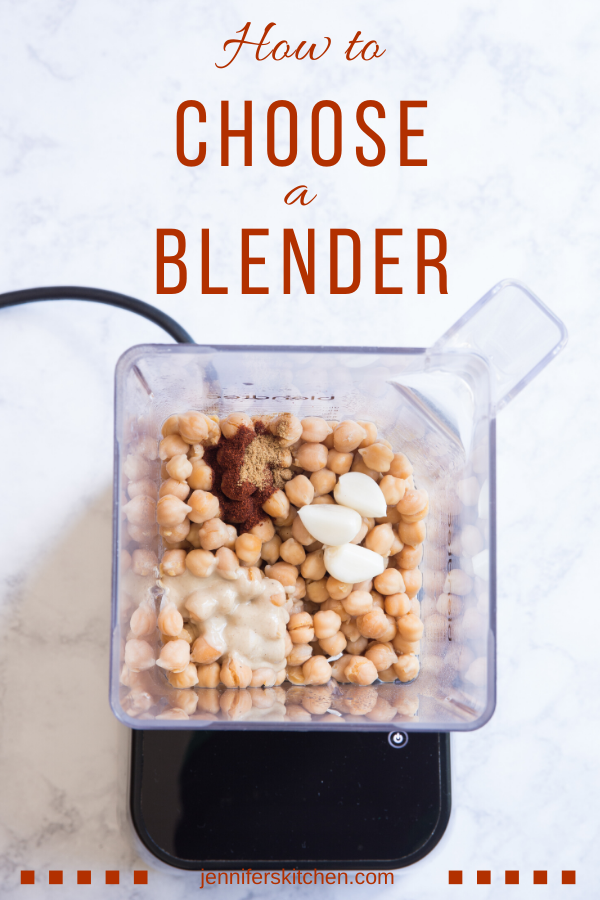
Credit: jenniferskitchen.com
Types Of Blenders
Choosing the right blender depends on understanding the types available. Each type serves a unique purpose in the kitchen. Knowing these types helps pick the best blender for your needs.
Countertop Blenders
Countertop blenders are the most common type. They sit on your kitchen counter and have a large jar. Ideal for making smoothies, soups, and sauces. These blenders usually have multiple speed settings. They can crush ice and blend hard ingredients easily.
Personal Blenders
Personal blenders are small and compact. Perfect for making single servings quickly. They come with travel cups for convenience. These blenders are easy to clean and store. Great for simple tasks like smoothies or shakes.
Immersion Blenders
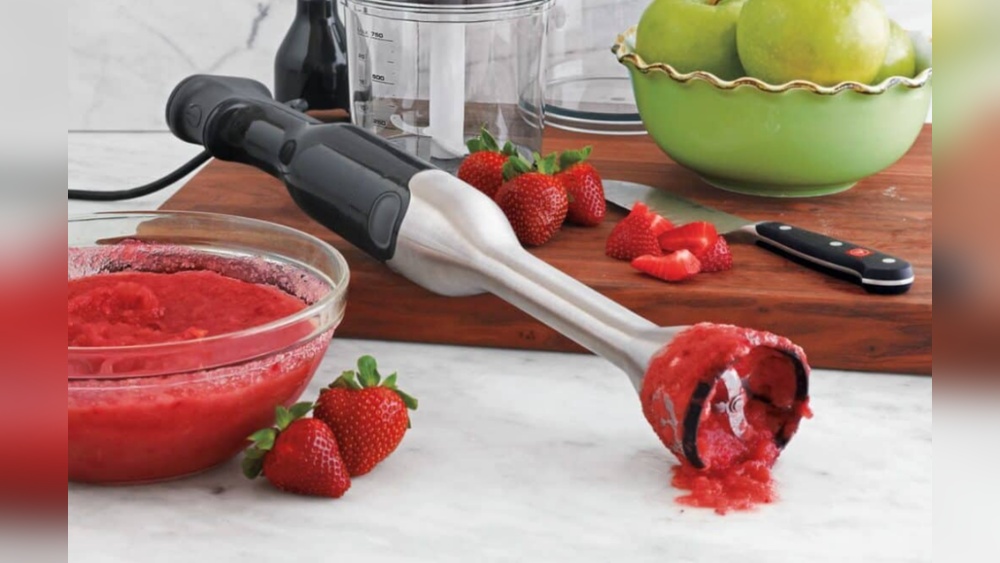
Immersion blenders are handheld and lightweight. You can blend directly in pots or bowls. They are perfect for soups and sauces. Easy to use and clean with fewer parts. They do not take much counter space.
High-performance Blenders
High-performance blenders offer powerful motors and sharp blades. They blend ingredients into smooth textures quickly. These blenders handle tough tasks like nut butters. Often used by people who blend daily. They tend to be more expensive but very durable.
Assessing Your Blending Needs
Choosing the right blender starts with knowing what you need it for. This helps find a blender that fits your kitchen and lifestyle. Think about how often you will use it and what foods you want to blend.
Understanding your blending needs makes the buying process easier. It saves money and avoids buying a machine that does not suit your habits. Let’s explore key points to consider before picking a blender.
Frequency Of Use
Consider how often you will use your blender. Daily use requires a strong, durable machine. Occasional use means a basic model might be enough. Frequent blending needs a blender that can handle wear and tear.
Types Of Ingredients
Think about the ingredients you want to blend. Soft fruits and liquids need less power. Hard foods like nuts or ice need a more powerful motor. Some blenders handle all types better than others.
Recipe Variety
Decide what recipes you want to make. Smoothies, soups, or sauces need different settings. Some blenders offer multiple speeds and functions. A versatile blender works well for many recipes.
Budget And Warranty
Choosing a blender means balancing budget and warranty. These two factors protect your investment and ensure long-term satisfaction. Blenders vary widely in price and warranty terms. Understanding what each offers helps pick the best option for your needs and wallet.
Price Ranges And Value
Blenders come in several price ranges. Low-cost models usually start under $50. They handle basic tasks but may lack power or durability. Mid-range blenders cost between $50 and $150. They offer better motors and more features. High-end blenders go above $150. These often have strong motors, multiple settings, and quality build.
Value matters more than price alone. A cheap blender that breaks quickly is not a bargain. A more expensive blender with better parts and longer life saves money in time. Consider what you blend most. Simple smoothies need less power than nuts or ice crushing. Match the price to your blending habits for best results.
Warranty Coverage And Customer Support
Warranties protect against defects and damage. Most blenders offer 1 to 7 years of coverage. Longer warranties show confidence from the maker. Check what parts are covered, like motor or jar. Some warranties exclude wear and tear or misuse.
Customer support is crucial after purchase. Good companies answer questions clearly and quickly. They help with repairs or replacements. Read reviews on customer service before buying. A solid warranty and helpful support reduce stress. They keep your blender running smoothly for years.
Additional Features To Look For
Choosing a quality blender means more than just power and speed. Extra features can make your blending easier and safer. These features help you get better results and protect your kitchen and yourself.
Pre-programmed Settings
Blenders with pre-programmed settings save time and effort. They have buttons for smoothies, ice crushing, or soups. Press one button, and the blender adjusts speed and time. This ensures consistent results every time.
Noise Levels
Noise is important for home use. Some blenders are very loud and can disturb others. Look for models that run quietly. Quiet blenders make early morning or late-night use easier.
Safety Features
Safety is a top priority. Good blenders have features like secure lids and automatic shut-off. These prevent accidents and spills. Some models also lock the jar to the base before starting. This keeps you safe during use.
Tips For Testing Blenders Before Buying
Testing a blender before buying saves money and frustration. It helps you find a model that fits your needs. Focus on key areas to make the best choice.
Performance Testing
Check how well the blender handles different foods. Try blending soft and hard ingredients. Notice if it crushes ice smoothly. Listen for loud or uneven noises. A good blender runs quietly and blends evenly.
Checking Build Quality
Look at the materials used for the jar and base. Heavy, sturdy parts last longer. Test the buttons and dials for ease of use. Make sure the lid fits tightly. Avoid flimsy or cheap-feeling components.
User Reviews And Recommendations
Read reviews from real buyers. They share honest experiences and common problems. Pay attention to frequent issues or praise. Recommendations from trusted sources add confidence. Reviews help confirm your choice before purchase.
Frequently Asked Questions
What Features Make A Blender High Quality?
A high-quality blender has strong motors, sharp blades, and durable materials for long-lasting use.
How Important Is Motor Power In A Blender?
Motor power affects blending speed and smoothness; stronger motors handle tough ingredients better.
Should I Choose A Blender With Multiple Speed Settings?
Multiple speeds allow more control for different recipes and textures, making blending easier.
What Safety Features Should A Quality Blender Have?
Look for secure lids, non-slip bases, and automatic shut-off to ensure safe operation.
Conclusion
Choosing the right blender can make cooking easier and more fun. Focus on what you need: power, speed, and size. Think about how often you will use it. A quality blender saves time and works well for many recipes. Take your time to compare features and prices.
A good blender fits your kitchen and your budget. Now, you can blend with confidence and enjoy tasty meals every day.