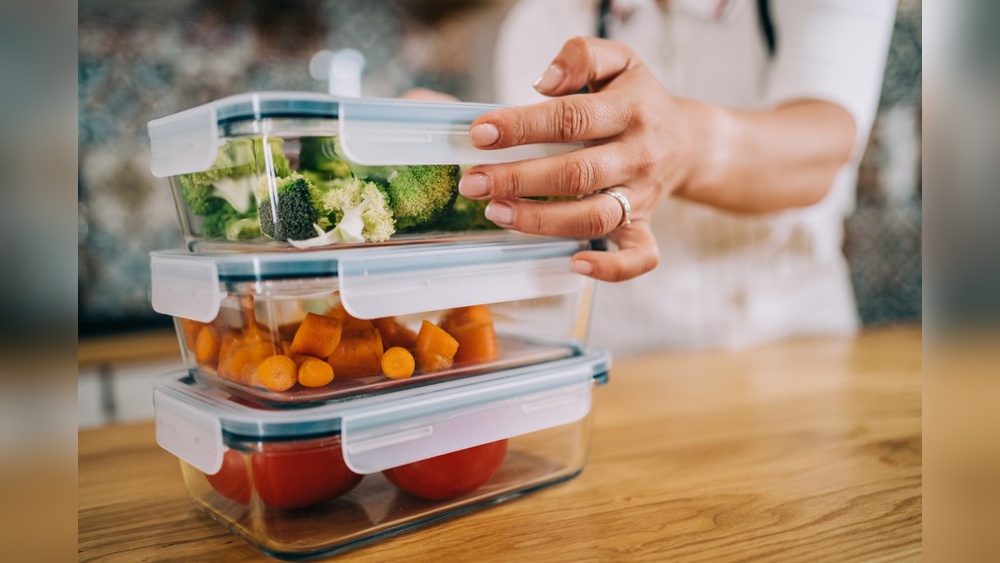
Are you worried about what’s really inside your food storage containers? Choosing the safest food storage container is more important than you might think.
The right container can protect your health, keep your food fresh longer, and save you money. But with so many options out there, how do you know which one is truly safe? Keep reading, because by the end of this article, you’ll know exactly what to look for to keep your food—and yourself—safe every time.
Health Risks From Unsafe Containers
Choosing the right food storage container matters for health. Unsafe containers can cause serious health problems. Chemicals from some containers can mix with food. This mixing can harm your body over time. Understanding the risks helps you make safer choices for your family.
Chemical Leaching Concerns
Chemical leaching happens when harmful substances move from containers into food. Heat and time increase this risk. Plastic containers often release chemicals during microwaving or washing. These chemicals can enter your body through the food you eat. Avoid containers that are not labeled safe for food use.
Bpa And Phthalate Exposure
BPA and phthalates are common chemicals in plastics. They can disrupt hormones and cause health issues. Babies and children are more vulnerable to these chemicals. Many experts warn against using containers with BPA or phthalates. Always check for BPA-free labels on containers before buying.
Impact On Food Quality
Unsafe containers affect food taste and freshness. Chemicals can change the smell and flavor of stored food. This can make food less appealing and possibly unsafe. Poor-quality containers may also allow bacteria to grow. Use containers that keep food fresh and free from contamination.
Materials Used In Food Storage
Choosing the right material for food storage containers is important for safety and health. Different materials offer various benefits and drawbacks. Some keep food fresh longer, while others avoid harmful chemicals. Understanding these materials helps pick the safest option for your kitchen.
Glass Containers
Glass is a popular choice for food storage. It does not absorb odors or stains. Glass containers are easy to clean and safe for microwave use. They do not release chemicals into food. Many are dishwasher-safe and last a long time.
Stainless Steel Options
Stainless steel is strong and durable. It resists rust and corrosion. These containers keep food fresh without chemicals. Stainless steel is lightweight and easy to carry. It is not microwave-safe, but great for cool or room temperature foods.
Plastic Varieties
Plastic containers are light and affordable. Some plastics contain BPA or other chemicals. Look for BPA-free labels for safer use. Plastic can stain and absorb smells over time. These containers work well for dry foods and short-term storage.
Silicone Storage
Silicone is flexible and heat resistant. It is safe for the freezer, microwave, and oven. Silicone containers do not leak or stain easily. They are easy to clean and store. Silicone works well for snacks and leftovers.
Criteria For Safe Containers
Choosing the safest food storage container is important for health and food quality. Some key criteria help identify safe containers. These criteria focus on the material, strength, heat tolerance, and cleaning ease. Each factor plays a role in keeping food fresh and free from harmful chemicals.
Non-toxic Composition
Safe containers must not release harmful chemicals into food. Materials like BPA-free plastic, glass, and stainless steel are best. Avoid containers with unknown or mixed plastics. Non-toxic composition ensures food stays pure and healthy.
Durability And Longevity
Strong containers last longer and protect food better. Durable materials resist cracks, breaks, and stains. Containers that last reduce waste and save money. Longevity means fewer replacements and safer storage over time.
Temperature Resistance
Containers must handle different temperatures safely. They should work well in refrigerators, freezers, and microwaves. Heat resistance prevents warping or melting. Cold tolerance stops cracking or brittleness. Proper temperature resistance keeps food safe.
Ease Of Cleaning
Containers that clean easily avoid bacteria buildup. Smooth surfaces and dishwasher-safe materials help. Hard-to-clean containers trap food and germs. Easy cleaning keeps containers hygienic for daily use.

Credit: www.carawayhome.com
Top Food Storage Containers
Choosing the right food storage container helps keep your food fresh and safe. Some materials are better than others for health and durability. This section covers top containers made from glass, stainless steel, plastic, and silicone. Each type offers unique benefits for your kitchen needs.
Best Glass Containers
Glass containers do not absorb odors or stains. They resist heat and are microwave safe. Glass is non-toxic and free of harmful chemicals. Look for containers with airtight lids to keep food fresh longer. They are easy to clean and last a long time.
Best Stainless Steel Picks
Stainless steel containers are strong and durable. They do not react with acidic foods. These containers keep food cool for hours. They are lightweight and perfect for on-the-go meals. Stainless steel does not leach chemicals into your food.
Top Plastic Containers Without Harmful Chemicals
Choose plastic containers labeled BPA-free and phthalate-free. These are safer for storing food. Look for plastics marked with recycling codes 1, 2, 4, or 5. Avoid containers that may crack or warp easily. Proper plastic containers are lightweight and budget-friendly.
Silicone Container Recommendations
Silicone containers are flexible and heat resistant. They can go in the freezer, microwave, and dishwasher. Silicone does not release toxins or chemicals. These containers are great for snacks and leftovers. They fold flat for easy storage.
Tips For Safe Food Storage
Safe food storage keeps food fresh and healthy. It also stops bacteria from growing. Using the right container is only one part of the process. Proper techniques help protect your food better.
Simple habits make a big difference. These tips improve safety and keep food tasty for longer.
Avoiding Cross-contamination
Use separate containers for raw and cooked foods. This stops germs from spreading. Clean containers well after use. Never mix foods in the same container unless they are cooked together.
Label containers to know what is inside. Store raw meat on the bottom shelf to avoid drips on other foods.
Proper Sealing Techniques
Seal containers tightly to keep air and moisture out. Use lids that fit well without gaps. Avoid overfilling containers to allow room for expansion.
Check seals regularly. Replace lids if they lose their shape. A good seal keeps food fresh and prevents spills.
Storage For Different Food Types
Store fruits and vegetables in breathable containers or bags. This prevents moisture buildup. Keep dry foods in airtight containers to stop pests and humidity.
Use glass or BPA-free plastic containers for acidic foods. These materials do not react with food. Freeze liquids in containers with extra space for expansion.
Maintaining And Replacing Containers
Maintaining and replacing food storage containers is key to keeping your food safe and fresh. Containers can wear out with time. Proper care helps them last longer. Knowing when to replace containers avoids health risks. Clean containers well to stop bacteria growth. Handle containers carefully to prevent damage. Small steps make a big difference in food safety.
When To Replace Containers
Replace containers if you see cracks or deep scratches. Discolored or cloudy containers may hold odors or bacteria. Warped lids do not seal properly. Plastic containers that feel sticky or soft need replacing. Old containers may leach harmful chemicals into food. Toss containers that show signs of wear. Fresh containers keep your food safer.
Cleaning Best Practices
Wash containers with warm, soapy water after each use. Use a soft sponge to avoid scratching surfaces. Avoid harsh cleaners that damage plastic or glass. Rinse containers well to remove soap residue. Dry containers completely before storing them. Dishwasher-safe containers are easier to clean. Regular cleaning prevents mold and bad smells.
Avoiding Container Damage
Handle containers gently to avoid dropping or cracking. Avoid extreme temperatures; do not use plastic containers in ovens. Use microwave-safe containers only in microwaves. Do not stack heavy items on top of containers. Store lids and containers separately if they don’t fit well. Proper use extends the container’s life. Careful handling protects your food storage.

Credit: www.amazon.com
Frequently Asked Questions
What Materials Make The Safest Food Storage Containers?
Glass, stainless steel, and BPA-free plastic are safest, as they don’t leach harmful chemicals into food.
Are Bpa-free Containers Truly Safe For Food Storage?
Yes, BPA-free containers reduce chemical risks but always check for FDA approval to ensure safety.
How Do Airtight Containers Affect Food Safety?
Airtight containers keep food fresh longer by blocking air, moisture, and bacteria that spoil food.
Can I Use Plastic Containers For Hot Food Storage Safely?
Only use plastic containers labeled microwave-safe for hot food to avoid chemical release and container damage.
Conclusion
Choosing the safest food storage container protects your health and food quality. Glass and BPA-free plastic containers are smart options. They keep food fresh without harmful chemicals. Always check labels and avoid containers with cracks or stains. Clean containers well before use to stop bacteria growth.
Safe storage means better taste and longer food life. Small steps make a big difference in your kitchen safety. Keep your family healthy by using the right containers every day. Food safety starts with the container you choose. Simple, safe, and smart.