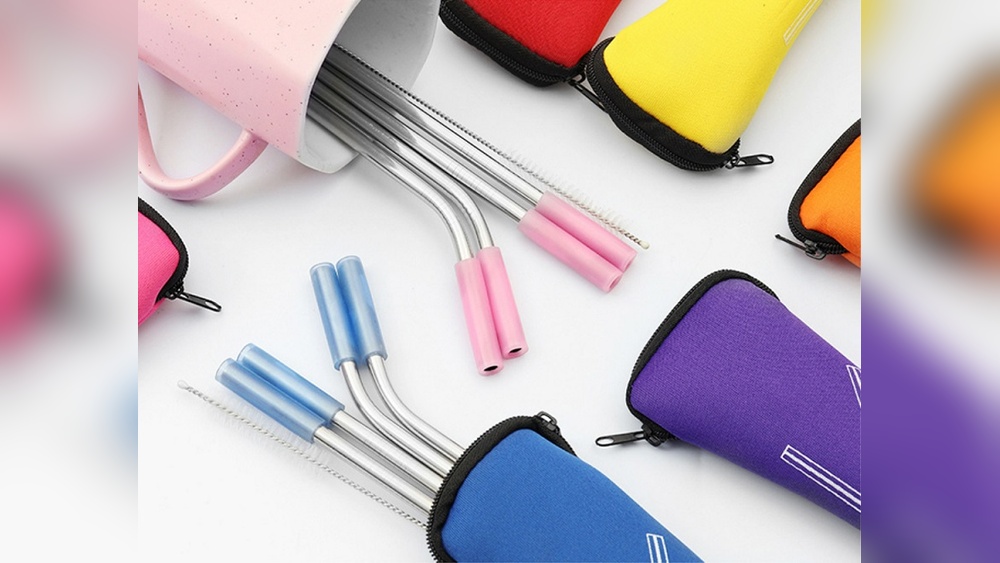
Have you ever wondered if reusable straws are truly clean and safe to use? You might love the idea of cutting down waste, but what about the germs that could be hiding inside?
Knowing whether your reusable straw is hygienic can protect your health and give you peace of mind every time you take a sip. Keep reading to discover simple tips that ensure your reusable straws stay fresh and safe—so you never have to worry again.
Credit: www.wildandstone.com
Health Concerns With Reusable Straws
Reusable straws are a popular choice for reducing plastic waste. Many people wonder about their cleanliness and safety. Health concerns arise around how reusable straws are used and cleaned. Understanding these concerns helps keep users safe and healthy.
Bacterial Growth Risks
Reusable straws can collect bacteria inside. Moisture and food particles stay trapped in narrow spaces. This creates a perfect place for germs to grow. Without proper cleaning, bacteria multiply quickly. Drinking from dirty straws can cause stomach problems and infections.
Material Safety Issues
Some reusable straws are made from unsafe materials. Low-quality plastic may release harmful chemicals. Metal straws can rust if not made well. Silicone straws need to be BPA-free and food grade. Choosing safe materials reduces health risks for users.
Cross-contamination Possibilities
Sharing reusable straws can spread germs easily. Using the same straw between people spreads saliva and bacteria. Poor cleaning also leads to cross-contamination. Always clean straws thoroughly after each use. Avoid sharing straws to protect your health.
Types Of Reusable Straws
Reusable straws come in many materials, each with unique features. Choosing the right type affects hygiene and comfort. Understanding these types helps in making a safer choice.
Stainless Steel Straws
Stainless steel straws are strong and long-lasting. They do not absorb liquids or smells. These straws clean easily with a brush. They stay cool but may feel cold in winter.
Silicone Straws
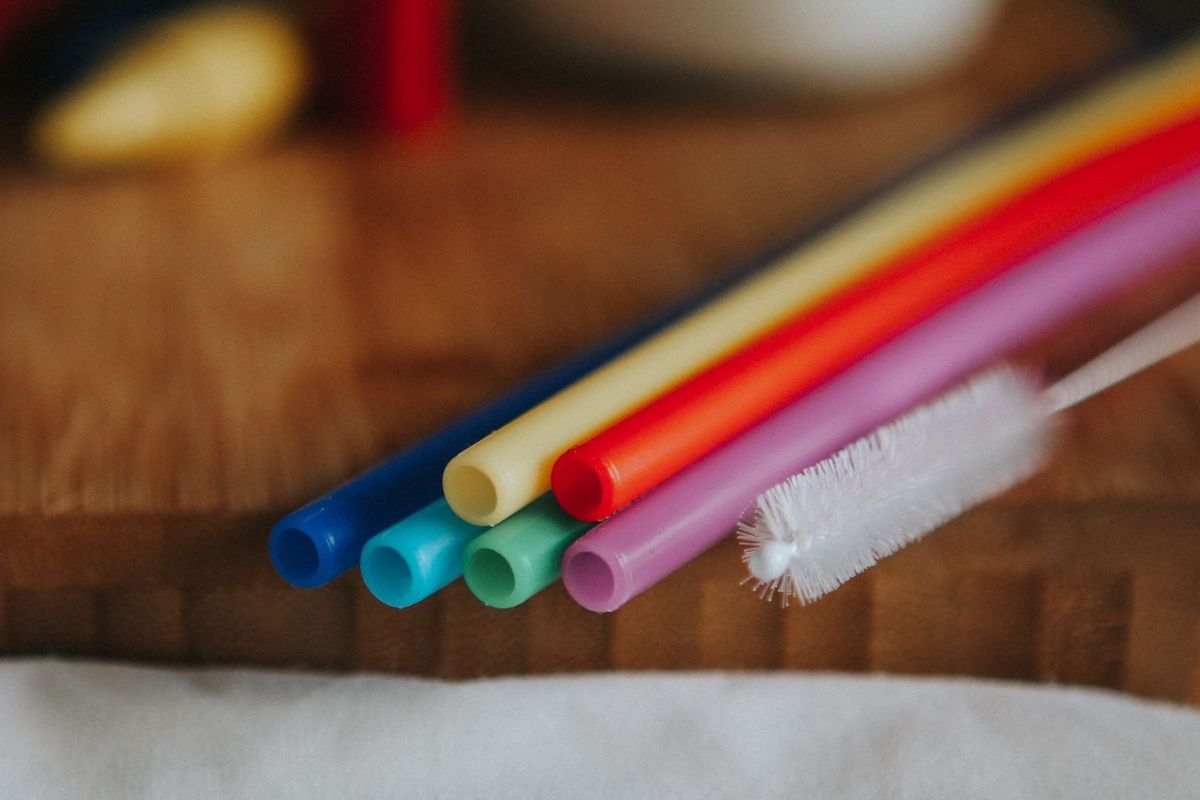
Silicone straws are soft and flexible. They suit children and sensitive teeth. Silicone is heat resistant and safe for hot drinks. These straws need thorough cleaning to avoid germs.
Glass Straws
Glass straws look elegant and are easy to clean. They do not hold flavors or bacteria. Fragile, they require careful handling. Glass straws are safe and eco-friendly.
Bamboo Straws
Bamboo straws are natural and biodegradable. They feel warm and light in the mouth. Bamboo may absorb liquids, so cleaning is key. These straws add a rustic touch to drinks.
Cleaning Methods For Reusable Straws
Reusable straws are good for the environment but need proper cleaning. Proper cleaning keeps them safe and free from germs. Different methods help clean reusable straws well. This section explains easy ways to clean your straws.
Manual Cleaning Techniques
Use warm water and soap to wash reusable straws. Rinse the straw inside and outside carefully. Make sure to remove all leftover drink bits. Let the straw air dry on a clean towel. This simple method works well every day.
Dishwasher Safety
Many reusable straws are dishwasher safe. Place the straws in the top rack or a small basket. Use a regular dishwasher cycle with soap. Check the straw’s material before using the dishwasher. This method saves time and cleans deeply.
Using Cleaning Brushes
A small brush fits inside the straw for better cleaning. Move the brush back and forth with soap and water. This removes dirt stuck inside the straw. Rinse well after brushing. Brushes work great for narrow or long straws.
Sanitizing Tips
Sanitize straws to kill hidden bacteria. Soak the straw in a mixture of vinegar and water for 5 minutes. Or use boiling water for a few minutes. Dry straws completely before storing them. Sanitizing keeps straws fresh and safe to use.

Credit: www.amazon.com
Storage Tips To Maintain Hygiene
Keeping reusable straws clean is important for health. Proper storage helps stop germs and bad smells. It also keeps straws ready for use anytime. Follow these simple tips to store your straws safely and keep them hygienic.
Proper Drying Practices
Dry straws completely before storing them. Water left inside can cause bacteria growth. Use a clean towel or air dry straws standing up. Make sure no moisture stays inside the straw.
Safe Storage Containers
Store straws in a clean, dry container. Choose containers with lids to protect from dust. Avoid open cups or bags that let dirt in. Use containers made of plastic or glass for easy cleaning.
Avoiding Moisture Build-up
Keep straws away from humid places like sinks or bathrooms. Moisture causes mold and bad smells. Place storage containers in cool, dry areas. Check straws regularly and wash if they smell or look dirty.
Signs To Replace Your Reusable Straw
Reusable straws are eco-friendly and cost-effective. They reduce plastic waste. But keeping them clean is very important. Over time, reusable straws wear out. Using old straws can cause hygiene problems. Knowing when to replace your straw helps keep you safe. Watch for signs that show your straw is no longer good.
Wear And Tear Indicators
Look closely at your straw for cracks or scratches. These small damages can trap bacteria. Bent or misshaped straws also lose their effectiveness. If your straw feels rough inside, it is time to replace it. Smooth surfaces are easier to clean and safer to use.
Odor And Stain Presence
Straws can absorb smells from drinks. A strange smell means bacteria might be growing. Stains that do not wash away show the material is breaking down. Persistent odors and stains signal it is time for a new straw. Clean straws should look fresh and smell neutral.
Material Degradation
Different materials age differently. Metal straws may rust or discolor. Silicone straws can become sticky or tear. Plastic straws may crack or warp. Any change in texture or color often means the straw is degrading. Using degraded straws can affect your health.

Credit: www.amazon.com
Benefits Of Using Reusable Straws Safely
Using reusable straws safely offers many benefits beyond just cutting waste. These straws reduce plastic use, save money, and support better health. Proper cleaning keeps them hygienic and safe for daily use.
Environmental Impact
Reusable straws lower plastic pollution. They stop plastic straws from filling oceans and landfills. These straws last a long time, reducing waste. Using them helps protect animals and nature.
Cost-effectiveness
Reusable straws save money over time. Buying one straw many times is cheaper than many single-use straws. They do not break easily and can be used again. This means fewer expenses on replacements.
Health Advantages
Reusable straws made from safe materials avoid harmful chemicals. Cleaning them well stops germs and bacteria build-up. They reduce contact with plastic toxins found in disposable straws. This supports better health for users.
Frequently Asked Questions
Are Reusable Straws Safer Than Single-use Straws?
Reusable straws can be safe if cleaned well after each use. Dirty straws may carry germs.
How Often Should I Clean Reusable Straws?
Clean reusable straws after every use to avoid bacteria build-up and keep them hygienic.
What Is The Best Way To Clean Reusable Straws?
Use warm water, soap, and a straw brush to clean inside and outside thoroughly.
Can Reusable Straws Cause Any Health Risks?
If not cleaned properly, reusable straws can cause infections or mouth sores from germs.
Conclusion
Reusable straws can be safe when cleaned well. Regular washing stops germs from building up. Choose materials like stainless steel or silicone for easy cleaning. Avoid sharing straws with others to keep things hygienic. Small habits make a big difference in health.
Using reusable straws helps the planet too. Clean straws, healthy you, and a cleaner Earth. Simple steps keep your straw safe and fresh.