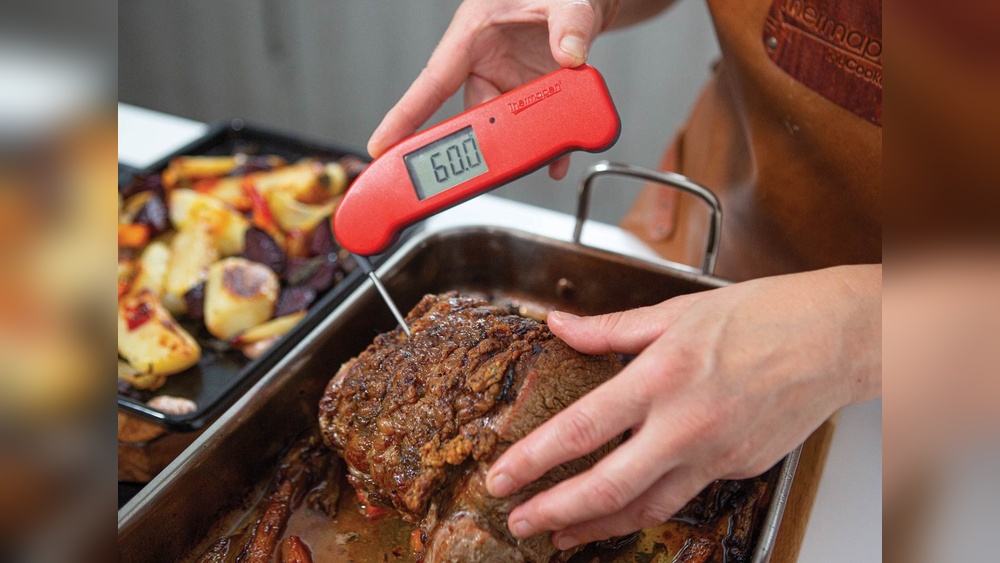
Are you tired of guessing whether your meat is cooked just right? Using a digital meat thermometer sounds like a smart move, but do these gadgets really give you accurate readings every time?
You want to serve juicy, perfectly cooked meals without any risk, and knowing the truth about these thermometers can make all the difference. Keep reading to discover how reliable digital meat thermometers are and whether you can trust them to take the guesswork out of cooking.
Your next meal might depend on it.
Credit: www.goodhousekeeping.com
How Digital Meat Thermometers Work
Digital meat thermometers help cooks check food temperature quickly. They give fast, clear readings to ensure meat is safe to eat. These devices use sensors to measure heat inside the meat. The data shows on a digital screen, so users know when cooking is done.
Types Of Digital Meat Thermometers
There are several types of digital meat thermometers. Instant-read thermometers show temperature in seconds. They are perfect for quick checks during cooking. Leave-in thermometers stay inside the meat while cooking. They send temperature updates to a screen outside the oven. Wireless thermometers connect to phones. This lets cooks monitor meat from a distance. Each type suits different cooking needs and styles.
Sensors And Technology Used
Digital thermometers use sensors to detect heat. The most common sensor is the thermocouple. It measures temperature by creating voltage from heat difference. Thermistors are another type. They change resistance based on temperature. This change converts to a digital reading. Some thermometers use infrared sensors. These read surface temperature without touching meat. Sensors work with microchips to show accurate numbers fast.
Accuracy Factors To Consider
Digital meat thermometers offer quick and easy temperature readings. Their accuracy depends on several important factors. Understanding these can help you get the best results every time. This section explains key points to consider for accurate readings.
Sensor Placement And Meat Thickness
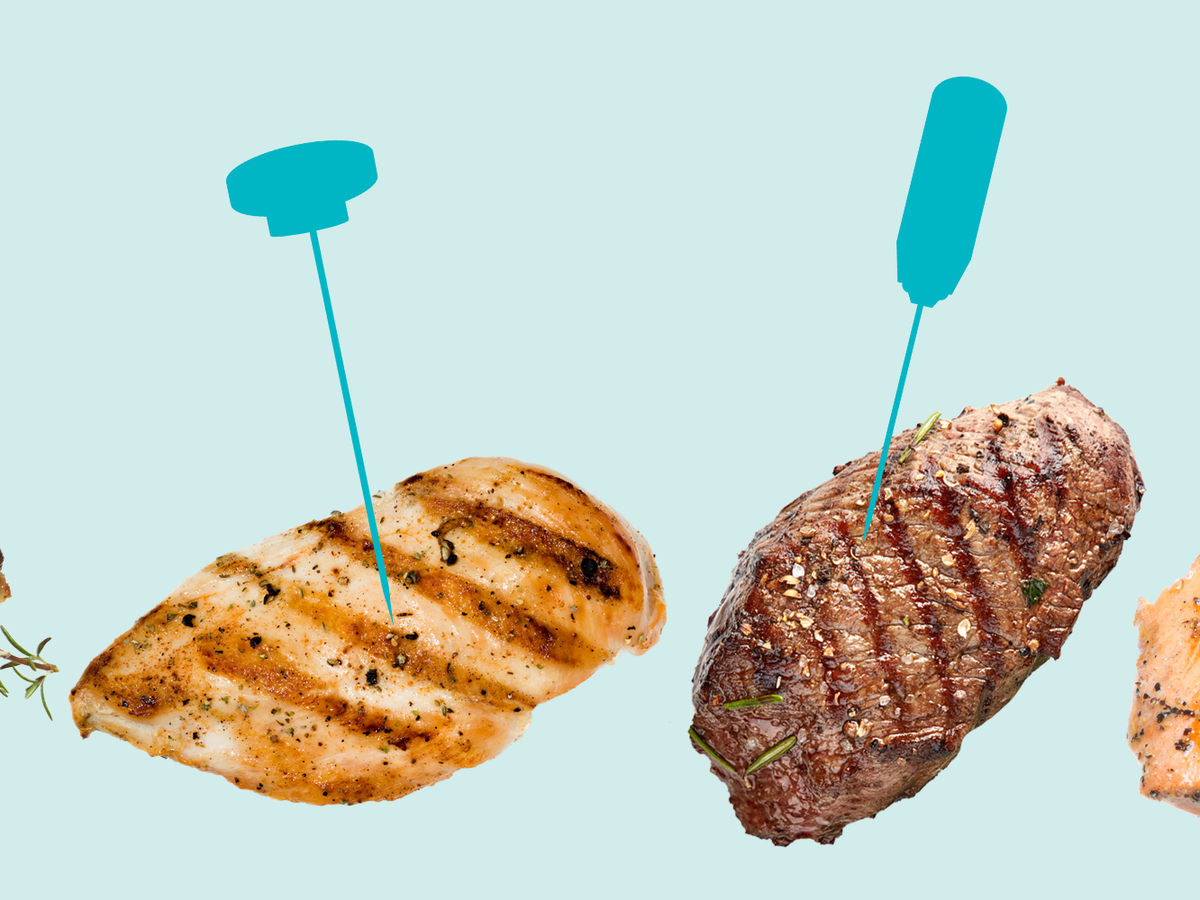
Where you place the sensor affects the reading a lot. Insert the probe into the thickest part of the meat. Avoid touching bones or fat, as they can give wrong temperatures. Thicker meat takes longer to heat fully, so check multiple spots for best results.
Calibration And Maintenance
Regular calibration keeps your thermometer accurate. Over time, sensors can drift and show wrong numbers. Follow the manufacturer’s guide for calibration steps. Clean the probe after each use to prevent buildup. Dirt or grease can block heat transfer and lower accuracy.
Response Time And Temperature Range
Fast response means quicker, more reliable readings. Some thermometers take longer to stabilize, causing delays. Choose one with a suitable temperature range for your cooking needs. Check if it can measure both low and high temperatures accurately.
Comparing Digital And Analog Thermometers
Digital and analog thermometers both measure meat temperature. Each type offers unique benefits and limits. Understanding their differences helps choose the right tool for cooking. Accuracy and ease of use play key roles in this decision.
Speed And Precision Differences
Digital thermometers give readings in seconds. They show exact temperatures on a small screen. This quick feedback helps avoid overcooking meat. Analog thermometers take longer to stabilize. Their needle moves slowly to the right number. This delay can cause uncertainty during cooking.
Digital models often have a more precise scale. They measure in small increments, like 0.1 degrees. Analog thermometers usually show larger steps, such as 2 degrees. This difference affects how closely you monitor cooking progress.
Durability And Ease Of Use
Analog thermometers are simple with fewer parts. They rarely break if dropped or exposed to heat. Digital thermometers contain electronics and batteries. These parts can fail or need replacement over time.
Using an analog thermometer is straightforward. Just insert it and wait for the needle. Digital thermometers may require buttons or settings. Some models offer extra features like alarms or backlights, but these add complexity.
Credit: butcherbbq.com
Real-world Testing Results
Digital meat thermometers promise quick and precise temperature readings. Testing these devices in real kitchens reveals their true accuracy. Results vary based on brand, model, and cooking method. Understanding these differences helps choose the right thermometer for your needs.
Common Brands And Models Tested
Popular digital meat thermometers from brands like ThermoPro, Lavatools, and Weber were tested. Models included instant-read and probe thermometers. Each device was checked for speed and temperature accuracy. Tests focused on widely used models in home kitchens.
Performance In Various Cooking Scenarios
Thermometers were tested with different types of meat and cooking styles. Grilling, roasting, and pan-frying were the main methods. Most devices gave fast readings within 3 to 5 seconds. Accuracy stayed within 1 to 2 degrees Fahrenheit of actual temperature in most cases.
Probe thermometers maintained steady readings during long cooking times. Instant-read models worked best for quick checks but needed careful placement. Some models struggled with very thin cuts or irregular shapes. Overall, digital thermometers provided reliable results for everyday cooking.
User Tips For Reliable Readings
Getting accurate readings from a digital meat thermometer is essential for safe cooking. Simple actions can improve the reliability of temperature checks. Follow these tips to get the best results every time you use your thermometer.
Proper Insertion Techniques
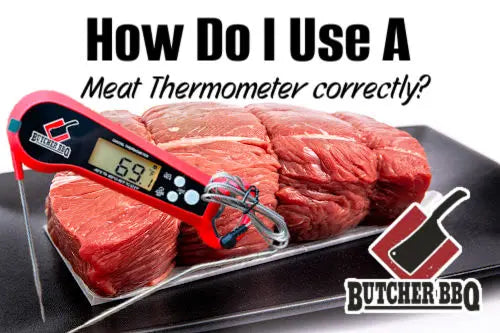
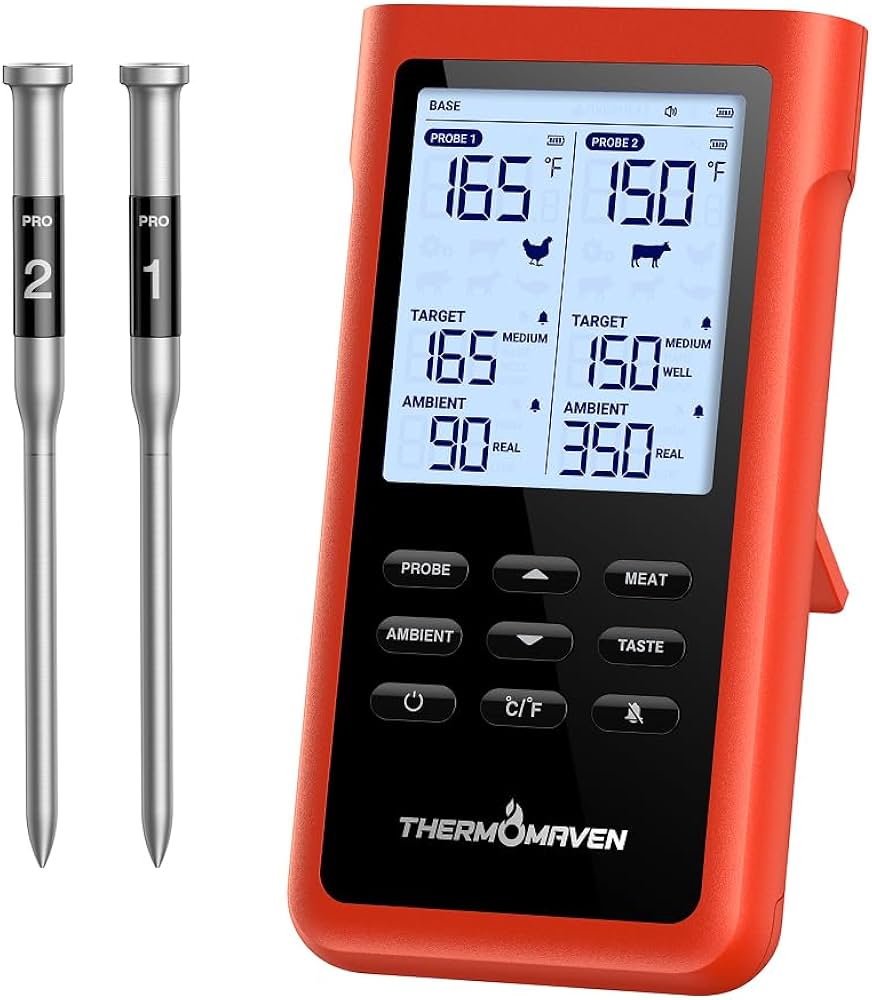
Insert the thermometer probe into the thickest part of the meat. Avoid touching bones, fat, or gristle as they give false readings. Push the probe deep enough to reach the center. Hold the thermometer steady until the reading stops changing. This usually takes a few seconds.
Avoiding Common Mistakes
Do not check temperature right after removing meat from heat. Let the meat rest for a few minutes to get an even temperature. Clean the probe before and after each use to avoid cross-contamination. Do not leave the thermometer in the oven unless it is designed for that. Use the correct thermometer type for your cooking method.
Credit: www.amazon.com
When To Trust Digital Thermometers
Digital meat thermometers offer a quick and easy way to check food temperature. Knowing when to trust their readings helps ensure food safety. These devices work well but need the right conditions to give good results. Understanding their signs of accuracy and limits makes cooking safer and better.
Signs Of Accurate Readings
Stable temperature numbers show the thermometer works well. The device should respond quickly to changes in heat. Consistent results after multiple checks mean it is reliable. Using the thermometer in the thickest part of meat gives true readings. Clean and well-maintained probes help avoid wrong numbers. Accurate thermometers usually match temperatures of tested food by experts.
Limitations And When To Double-check
Digital thermometers may not work well in very thin food. Cold or frozen meat can give incorrect readings at first. Low battery power can cause errors in temperature. Large gaps in meat can make the thermometer show wrong numbers. Always double-check if temperature seems too low or high. Use a second thermometer or cook longer when unsure. Avoid trusting digital readings during rapid temperature changes.
Frequently Asked Questions
Do Digital Meat Thermometers Give Accurate Temperature Readings?
Digital meat thermometers provide quick and precise temperature readings for safe cooking.
How Fast Do Digital Meat Thermometers Show Results?
Most digital thermometers display temperature within 3 to 10 seconds after insertion.
Can Digital Thermometers Measure All Types Of Meat?
Yes, they work well with beef, chicken, pork, fish, and other meats.
What Affects The Accuracy Of Digital Meat Thermometers?
Factors like probe placement, battery life, and calibration impact their accuracy.
Conclusion
Digital meat thermometers provide quick and clear temperature readings. They help cook meat safely and avoid undercooking. Most models offer good accuracy if used right. Always check the device’s calibration for best results. These tools save time and reduce guesswork in the kitchen.
Trusting a digital thermometer can improve your cooking confidence. Small effort, big difference in food safety and taste. Simple, useful, and easy to use. Worth trying for every home cook.