Imagine saving your food for weeks without worrying about spoilage or freezer burn. You can keep your meals fresh, organized, and ready to enjoy anytime.
Using a vacuum sealer at home is easier than you think, and once you master it, your kitchen routine will change forever. In this guide, you’ll discover simple steps to use your vacuum sealer effectively, so you get the most out of your food and your time.
Ready to unlock the secret to longer-lasting freshness? Let’s dive in.
Choosing The Right Vacuum Sealer
Choosing the right vacuum sealer makes food storage easy and effective. Not all sealers fit every need. Knowing the types, features, and your budget helps pick the best one. This guide explains what to consider before buying.
Types Of Vacuum Sealers
There are two main types of vacuum sealers for home use: external and chamber sealers. External sealers are common and affordable. They work well for dry foods like chips and nuts. Chamber sealers are pricier but better for wet or liquid foods. They create a stronger vacuum by sealing inside a chamber.
Features To Look For
Choose a vacuum sealer with adjustable suction levels. This protects delicate foods from being crushed. Look for a model with an easy-to-clean design. A built-in cutter helps to size bags perfectly. Some sealers have special modes for sealing jars or marinating foods. Check for automatic sealing and bag detection features for convenience.
Budget Considerations
Vacuum sealers come in a wide price range. Basic models start around $30 and offer simple sealing. Mid-range models cost about $70 to $150 and include more features. High-end sealers can cost over $200 and offer professional functions. Decide how often you will use the sealer to set your budget wisely.

Credit: www.amazon.com
Preparing Items For Sealing
Preparing items for sealing is a key step to get the best results from your vacuum sealer. Proper preparation helps keep food fresh and safe for longer. It also makes the sealing process easier and more efficient.
Taking time to select the right foods, portion them correctly, and avoid common errors can save you time and food waste. Let’s explore these steps in detail.
Selecting Suitable Foods
Choose foods that stay fresh longer when sealed. Fresh meats, vegetables, fruits, and dry goods work well. Avoid soft cheeses and delicate items that can get crushed. Cooked foods should cool before sealing to prevent moisture build-up. Frozen foods can be sealed but freeze them first to keep shape.
Portioning And Packaging Tips
Divide food into meal-sized portions. This helps with quick thawing and reduces waste. Use clean, dry bags made for vacuum sealers. Leave enough space at the top for sealing. Remove excess air from bags before sealing. Use paper towels to absorb moisture for juicy foods. Flatten bags for even sealing and storage.
Avoiding Common Mistakes
Do not overfill bags; air needs space to be removed. Make sure the sealing area is clean and dry. Avoid sealing sharp bones or hard items without protection. Do not seal warm or hot food; wait until it cools. Check seals after sealing to prevent leaks. Store sealed items properly for best results.
Step-by-step Sealing Process
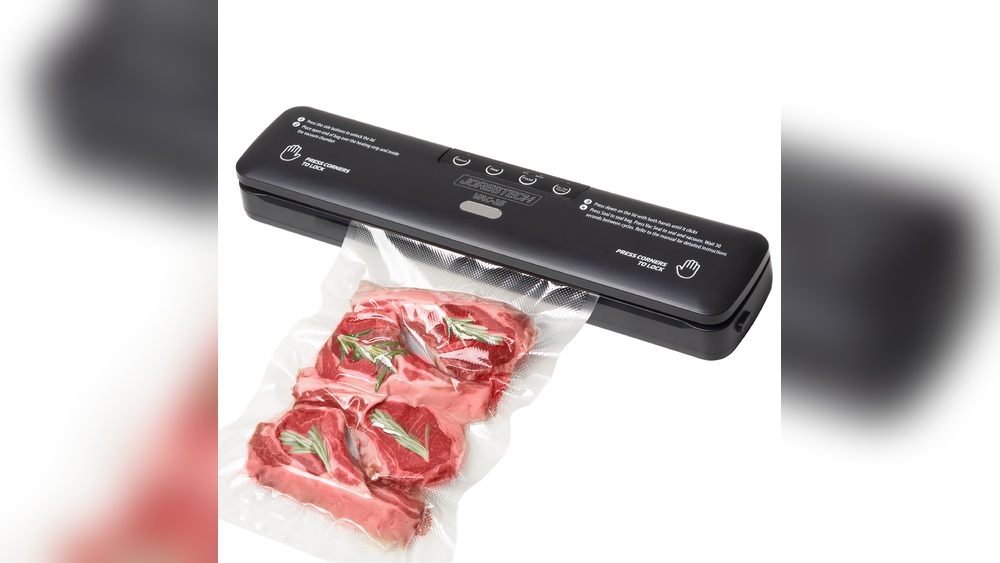
Using a vacuum sealer at home helps keep food fresh longer. The sealing process is simple and fast. Follow these steps carefully for the best results.
Setting Up The Machine
Place the vacuum sealer on a flat, clean surface. Plug it into a power outlet. Open the lid to prepare for the bag. Check the sealing strip for dirt or debris. Clean it if needed to ensure a good seal.
Placing The Bag Correctly
Use a vacuum sealer bag made for your machine. Leave enough space at the open end for sealing. Place the bag opening inside the sealing area. Make sure no food blocks the edge. This prevents weak seals and air leaks.
Sealing And Vacuuming Techniques
Close the lid firmly until it locks. Press the vacuum and seal button. The machine will remove air and seal the bag. Wait until the light or sound signals completion. Open the lid and remove the sealed bag. Check the seal for tightness and no wrinkles.
Storing Vacuum-sealed Items
Storing vacuum-sealed items properly keeps food fresh longer and reduces waste. It also helps keep your kitchen organized. Knowing how to store these packages will protect your food’s quality and taste. Here are some key tips for storing vacuum-sealed items at home.
Optimal Storage Conditions
Keep vacuum-sealed packages in a cool, dry place. For dry goods, a pantry or cupboard works well. For meat, fish, or vegetables, store them in the refrigerator or freezer. Avoid places with direct sunlight or heat. Proper storage slows down food spoilage and maintains flavor.
Labeling And Dating Packages
Always label vacuum-sealed bags with the contents and date. Use a permanent marker or adhesive labels. This helps you know what is inside without opening the bag. It also tracks how long the food has been stored. Good labeling reduces food waste and saves time.
Shelf Life Expectations
Vacuum sealing extends food shelf life but does not stop spoilage completely. Dry foods last several months when sealed. Refrigerated meats stay fresh for up to two weeks. Frozen items can last from six months to two years. Always check for signs of spoilage before use.
Maintaining Your Vacuum Sealer
Keeping your vacuum sealer in good shape helps it work better and last longer. Simple care steps prevent problems and save money on repairs. Regular maintenance keeps food fresh and safe.
Cleaning Tips
Always unplug the vacuum sealer before cleaning. Use a damp cloth to wipe the outside and inside. Avoid water near the electrical parts. Clean the sealing strip gently to remove crumbs and residue. Let all parts dry completely before using the sealer again.
Troubleshooting Common Issues
If the vacuum sealer does not seal properly, check for wrinkles in the bag. Make sure the bag is placed correctly on the sealing strip. If it stops working, check the power source and reset the machine. Remove any food pieces blocking the vacuum area. Test with a new bag to rule out bag problems.
Replacing Sealing Components
Sealing strips and gaskets wear out over time. Replace them to keep a tight seal. Find the right parts for your model in the user manual. Follow instructions carefully to install new parts. Regular replacement prevents leaks and improves performance.
:max_bytes(150000):strip_icc()/sea-primary-vacuum-sealers-aug-24-nsimpson-349-d5ee6a0848fb4328b3cfd383845bdbf1.jpeg)
Credit: www.seriouseats.com
Creative Uses For Vacuum Sealers
Vacuum sealers do more than keep food fresh. They open new ways to save time and space at home. Using a vacuum sealer creatively can improve cooking, marinating, and even organizing your space. These ideas make your daily tasks easier and more efficient.
Sous Vide Cooking
Sous vide means cooking food in a water bath at a steady temperature. A vacuum sealer helps by sealing food tightly in plastic bags. This stops water from touching the food and keeps flavors locked in. You get tender meat and perfectly cooked vegetables every time. Cooking sous vide with a vacuum sealer is simple and precise.
Marinating Made Easy
Vacuum sealing speeds up marinating. The machine removes air and pushes the marinade into the food. This means flavors soak in faster and deeper. You can marinate meat, fish, or vegetables in minutes. No need to wait for hours. It saves time and makes your meals tastier.
Organizing Non-food Items
Vacuum sealers help organize items beyond the kitchen. Seal important documents to protect them from water and dust. Store clothes or bedding in vacuum bags to save space in closets. Keep small tools or craft supplies neat and easy to find. Vacuum sealing keeps things clean and compact.

Credit: www.youtube.com
Frequently Asked Questions
What Items Can I Vacuum Seal At Home?
You can seal meats, vegetables, fruits, cheese, and dry goods to keep them fresh longer.
How Do I Prepare Food Before Vacuum Sealing?
Dry or pat food dry, cut into portions, and freeze liquids for easier sealing.
Can Vacuum Sealing Save Money On Groceries?
Yes, it reduces waste by keeping food fresh and helps you buy in bulk.
How Long Does Vacuum-sealed Food Last In The Freezer?
Vacuum sealing can extend freezer food life from months to up to two years.
Conclusion
Using a vacuum sealer at home saves food and money. It keeps food fresh longer and prevents waste. Seal meats, vegetables, and leftovers with ease. Practice makes perfect—try sealing different items. Remember to clean your sealer regularly for best results.
Enjoy fresh food and organized storage every day. Start sealing and see the benefits yourself.