Choosing the right cutting board might seem simple, but it can make a big difference in your kitchen. The board you pick affects your food’s taste, your knives’ sharpness, and even your safety.
Are you using a board that’s perfect for your cooking style? If you want to slice, dice, and chop like a pro without ruining your tools or risking germs, keep reading. This guide will help you find the cutting board that fits your needs perfectly.
Credit: www.be-the-story.com
Types Of Cutting Boards
Choosing the right cutting board depends on the material it is made from. Different types suit different needs and kitchen styles. Understanding each type helps you pick the best one for your cooking tasks.
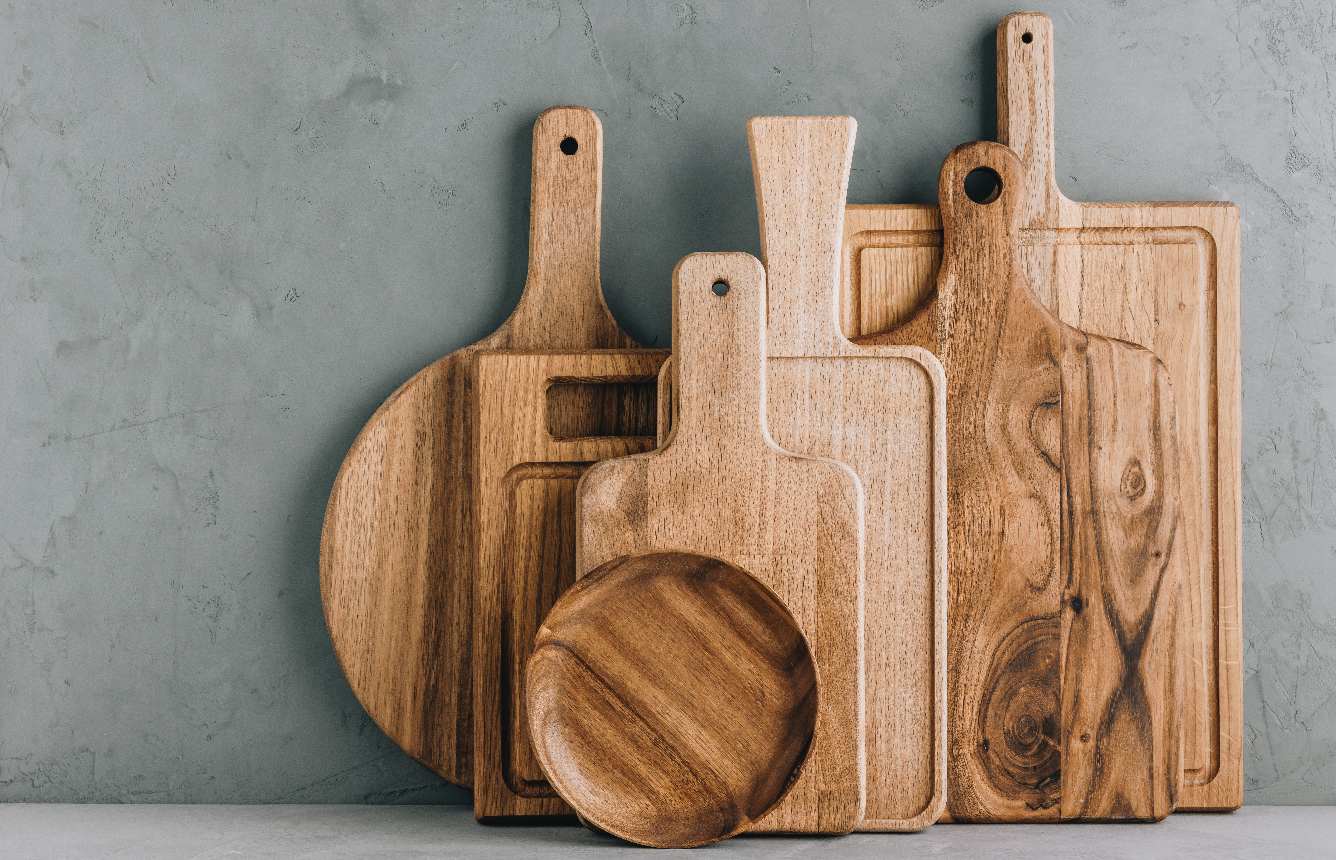
Wooden Boards
Wooden boards are classic and durable. They are gentle on knife edges, keeping blades sharp longer. Woods like maple and walnut resist deep cuts and bacteria. These boards need regular oiling to stay in good condition. They also provide a natural look in the kitchen.
Plastic Boards
Plastic boards are lightweight and easy to clean. They come in many colors, which helps avoid cross-contamination. These boards are dishwasher safe, making them very hygienic. They may wear faster and show knife marks more clearly than wood. Plastic boards are budget-friendly and practical for everyday use.
Bamboo Boards
Bamboo boards are eco-friendly and strong. Bamboo grows quickly, making it a sustainable choice. These boards are harder than wood, so they last longer. They resist moisture well but can dull knives faster. Bamboo boards need occasional oiling to prevent cracking.
Glass And Composite Boards
Glass boards are easy to clean and look modern. They do not absorb odors or stains. These boards can dull knives quickly due to their hard surface. Composite boards mix materials for strength and durability. They resist heat and deep cuts better than plastic or wood. Both types work well for specific kitchen tasks.
Factors To Consider
Choosing the right cutting board affects your cooking and kitchen safety. Several factors matter to get the best board for your needs. Consider these points carefully before buying.
Durability And Longevity
Cutting boards should last long without warping or cracking. Hardwoods like maple and walnut resist cuts and dents well. Plastic boards wear out faster but can be replaced cheaply. Look for strong materials that handle daily use.
Maintenance And Cleaning
Easy cleaning keeps your cutting board safe from bacteria. Plastic boards are dishwasher safe and simple to clean. Wooden boards need hand washing and regular oiling to stay in good shape. Choose a board you can clean without hassle.
Knife Friendliness
Your knives stay sharp longer on softer surfaces. Wood is gentle on blades and reduces dulling. Hard surfaces like glass or stone can dull knives quickly. Pick a board that protects your knives and saves you money on sharpening.
Size And Thickness
Consider space in your kitchen and the tasks you do. Bigger boards offer more room for chopping but need more storage space. Thicker boards are more stable and resist warping. Find a size and thickness that fits your kitchen and cooking style.
Choosing By Purpose
Choosing the right cutting board depends on the food you prepare most. Different boards suit different purposes. This helps keep your kitchen clean and safe. It also protects your knives and improves food taste. Understanding which board fits your needs is key.
Boards For Meat And Poultry
Boards for meat and poultry should be sturdy and easy to clean. Plastic boards work well because they do not absorb juices. This prevents bacteria growth. Look for boards with non-slip edges for safety. Some boards have juice grooves to catch liquids. This keeps your countertop clean.
Boards For Vegetables And Fruits
Vegetables and fruits need a gentle cutting surface. Wood or bamboo boards are great options. They are gentle on knives and natural. These boards also reduce slipping while cutting. Clean them well to avoid smells or stains. Regular oiling helps maintain wood boards.
Boards For Bread And Pastry
Bread and pastry boards should be smooth and easy to clean. Wooden boards offer a good surface for slicing bread. They absorb less moisture and keep bread fresh longer. Large boards give enough space to roll dough. Avoid boards with deep grooves that trap crumbs.

Credit: sharpedgenation.ae
Safety And Hygiene
Choosing the right cutting board is important for safety and hygiene in the kitchen. A clean cutting board helps stop germs from spreading. It also protects food from harmful bacteria. Understanding how to keep your cutting board safe can improve your cooking experience. Here are key points about safety and hygiene when picking a cutting board.
Preventing Cross-contamination
Cross-contamination happens when bacteria spread from one food to another. It can cause food poisoning. Use separate cutting boards for raw meat, vegetables, and cooked food. Color-coded boards help keep foods apart. This simple step lowers the risk of germs mixing on your board.
Antibacterial Properties
Some cutting boards have natural antibacterial features. Wood boards like bamboo can fight bacteria better than plastic. They absorb less moisture, which helps stop bacteria growth. Choose a board with good antibacterial qualities to keep your kitchen safer.
Proper Cleaning Techniques
Cleaning your cutting board correctly stops bacteria build-up. Wash it with hot, soapy water after each use. Use a brush to scrub away food bits. Dry it well to avoid moisture, which can grow bacteria. For deeper cleaning, use vinegar or baking soda. Clean boards last longer and protect your health.
Budget And Value
Choosing the right cutting board means balancing your budget and the value it offers. Not every cutting board has to cost a lot to work well. Some options fit small budgets but still last a good time. Others come with higher prices but offer more benefits and durability.
Affordable Options
Many cutting boards are inexpensive and serve basic needs. Plastic boards are common and easy to clean. They do not absorb liquids or odors. Bamboo boards can also be affordable and eco-friendly. These options suit everyday cooking without spending much.
Premium Choices
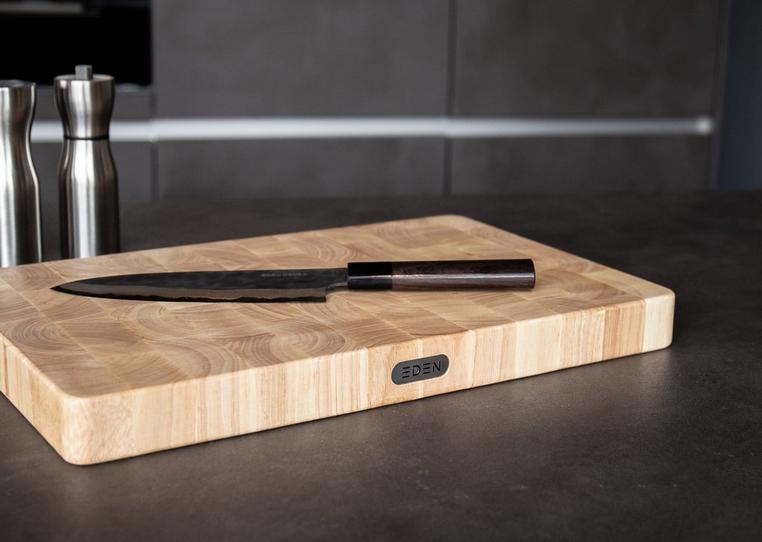
Premium cutting boards use high-quality wood or composite materials. They look better and last longer. Hardwood boards resist deep cuts and are gentle on knives. Some have special finishes to prevent stains and bacteria. These boards cost more but add style and strength to your kitchen.
Long-term Investment
Spending more on a cutting board can save money later. Durable boards need fewer replacements. They protect your knives and stay safe for food. Good boards also require less maintenance over time. Think about how often you cook and what fits your needs best.
Credit: www.knivesandtools.com
Additional Features
Choosing the right cutting board is not only about size or material. Additional features can make your cooking safer and easier. These features help keep the board steady and clean. They can also improve comfort and storage options.
Non-slip Surfaces
Non-slip surfaces keep the cutting board steady on your counter. This feature prevents the board from sliding while cutting. It helps you avoid accidents and cuts. Some boards have rubber feet or textured bottoms. These grips hold the board in place during use.
Juice Grooves
Juice grooves catch liquids from fruits, vegetables, or meats. They stop juices from spilling onto your countertop. This keeps your kitchen cleaner. Juice grooves also help prevent cross-contamination. Choose a board with deep grooves for messy foods.
Handles And Storage
Handles make moving and lifting the board easier. They provide better control when transferring chopped ingredients. Some boards have built-in handles on the sides or corners. Storage features like hanging holes save kitchen space. This helps keep your kitchen neat and organized.
Frequently Asked Questions
What Materials Are Best For Cutting Boards?
Wood and plastic are popular. Wood is gentle on knives. Plastic is easy to clean.
How To Maintain A Wooden Cutting Board?
Oil it regularly to stop drying. Clean with mild soap and water only.
Can Cutting Boards Affect Food Safety?
Yes, cutting boards can spread germs if not cleaned well after use.
What Size Cutting Board Should I Choose?
Choose a size that fits your kitchen space and the food you prepare.
Conclusion
Choosing the right cutting board makes cooking safer and easier. Think about the materials and how you will use it daily. A good board lasts long and protects your knives. Clean it well to keep germs away. Pick a size that fits your kitchen space.
The right board helps you prepare food faster. Simple choices lead to better cooking experiences every time.