If you want your non-stick cookware to last longer and stay in great shape, knowing how to clean it properly is key. You might think scrubbing hard will get rid of every stain, but that can actually damage the surface.
Imagine cooking your favorite meal without worrying about your pan losing its magic. You’ll discover simple and effective ways to clean your non-stick pots and pans so they stay smooth and ready for your next dish. Keep reading to unlock easy tips that protect your cookware and save you time in the kitchen.

Credit: hexclad.com.au
Choosing The Right Cleaning Tools
Choosing the right cleaning tools protects your non-stick cookware. It helps keep the coating safe and lasts longer. Using the wrong tools can cause scratches and damage. This section explains which tools work best for cleaning.
Soft Sponges And Cloths
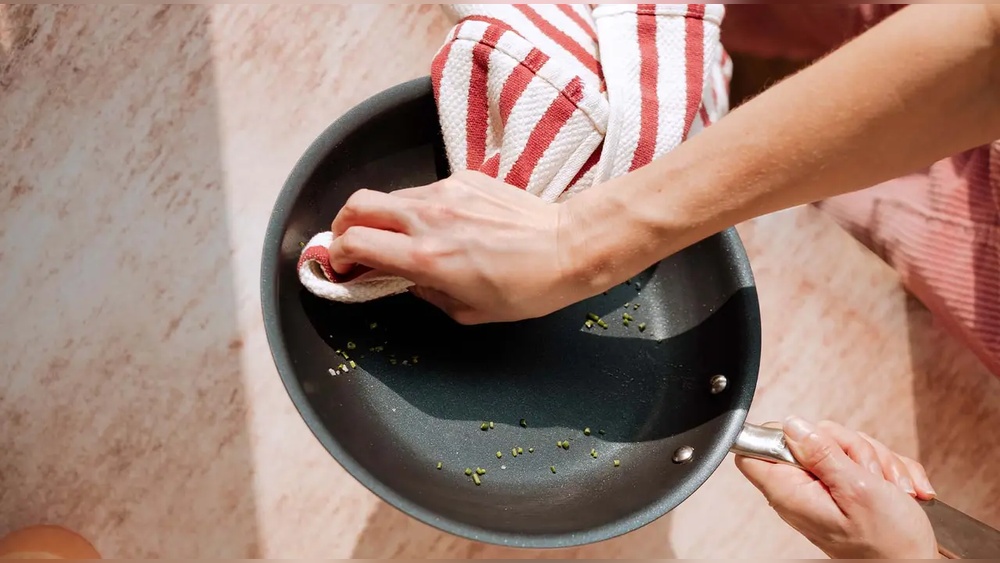
Soft sponges and cloths clean gently without harming the surface. They remove food and grease easily. Microfiber cloths are excellent for wiping non-stick pans. Avoid rough textures that can scratch the coating. Always use soft materials for daily cleaning.
Avoiding Abrasive Materials
Abrasive materials like steel wool or rough scrubbers can ruin your cookware. They wear down the non-stick layer quickly. Even harsh scouring pads cause tiny scratches. These scratches reduce the pan’s non-stick ability. Choose gentle tools that protect your pots and pans.
Safe Cleaning Solutions
Cleaning non-stick cookware needs care to keep its surface safe. Harsh chemicals or rough scrubbing can damage the coating. Choosing safe cleaning solutions helps maintain the pan’s non-stick quality for longer.
Mild Dish Soap Options
Use mild dish soap to clean your non-stick pans. These soaps remove grease without harming the coating. Look for soaps labeled gentle or for sensitive skin. Avoid strong detergents that contain bleach or ammonia. Warm water and a soft sponge work well with mild soap. This method keeps your cookware clean and safe.
Natural Cleaning Alternatives
Natural cleaners offer a safe way to clean non-stick surfaces. Baking soda mixed with water forms a gentle paste. It helps remove stubborn stains without scratching. White vinegar diluted with water can cut grease easily. Use a soft cloth or sponge to apply these cleaners. These options protect the pan and are eco-friendly too.
Step-by-step Cleaning Process
Cleaning non-stick cookware properly keeps it safe and long-lasting. Follow these clear steps for the best results. Each step helps protect the coating and removes food residues gently.
Pre-soaking Techniques
Start by soaking the cookware in warm water. Use a little mild dish soap to loosen stuck food. Let it soak for 10 to 15 minutes. This softens residues and makes cleaning easier. Avoid soaking too long to protect the non-stick surface.
Gentle Scrubbing Methods
Use a soft sponge or cloth for scrubbing. Avoid steel wool or harsh scrubbers that can scratch the surface. Gently rub in circular motions to remove food. For tough spots, add a drop of dish soap. Keep pressure light to protect the coating.
Rinsing And Drying Tips
Rinse the cookware under warm running water. Make sure all soap is fully washed away. Dry it immediately with a soft towel to prevent water spots. Store dry cookware in a clean, dry place. This stops damage and keeps it ready for next use.
:max_bytes(150000):strip_icc()/How-to-Clean-Nonstick-Pans-4x3-80536fe6a44d43e9a57f33430b94cd4b.jpg)
Credit: www.allrecipes.com
Dealing With Stubborn Residue
Stubborn residue on non-stick cookware can be tough to remove. It often sticks after cooking oily or sugary foods. Regular washing may not clear it all. This section shows simple ways to clean that residue without damaging the cookware.
Baking Soda Paste Trick
Baking soda is gentle but effective on stuck-on food. Mix baking soda with a little water to make a thick paste. Spread the paste over the residue and let it sit for 15 minutes. Use a soft sponge to scrub gently. Rinse with warm water and dry the pan. This method lifts residue without scratching the non-stick surface.
Vinegar Soak Method
Vinegar helps break down tough stains and grease. Pour enough white vinegar to cover the residue in the pan. Let it soak for 30 minutes. The vinegar loosens the burnt bits. Wipe the pan with a soft cloth or sponge. Rinse well with warm water and dry. This soak refreshes the pan and removes stubborn marks safely.
Maintaining Non-stick Coating
Maintaining the non-stick coating on your cookware is key to keeping it useful for a long time. The coating helps food not to stick and makes cleaning easier. Taking care of it means avoiding damage that can reduce its effectiveness. Simple habits can protect the coating and keep your pots and pans looking new.
Avoiding High Heat Damage
Non-stick coatings can break down if exposed to very high heat. Use low to medium heat settings during cooking. High heat can cause the coating to peel or release harmful fumes. Always heat the pan slowly and avoid empty heating. This practice helps preserve the coating and extends the life of your cookware.
Proper Storage Practices
Store non-stick cookware carefully to prevent scratches. Avoid stacking pans directly on top of each other. Use pan protectors or soft cloths between them. Keep them in a dry place to stop rust and damage. Proper storage keeps the coating smooth and ready for use.
Credit: www.youtube.com
Common Mistakes To Avoid
Cleaning non-stick cookware needs care to keep its surface safe. Many make simple mistakes that damage the coating. Avoiding these errors helps your pans last longer and cook better. Here are common mistakes to watch out for while cleaning.
Using Metal Utensils
Metal utensils can scratch the non-stick surface. Scratches reduce the pan’s effectiveness and can cause food to stick. Use wooden, silicone, or plastic tools instead. These materials are gentle and protect the coating from harm.
Dishwasher Risks
Dishwashers can be harsh on non-stick cookware. The strong detergents and high heat can wear down the coating. Hand washing with mild soap and a soft sponge is safer. This method keeps your pan’s surface smooth and functional for a long time.
Frequently Asked Questions
How Do I Clean Non-stick Cookware Without Damage?
Use a soft sponge with warm, soapy water. Avoid steel wool or harsh scrubbers.
Can I Put Non-stick Pans In The Dishwasher?
Dishwashers can harm the coating. Hand wash with mild soap for best care.
What Should I Avoid When Cleaning Non-stick Cookware?
Avoid abrasive cleaners, metal utensils, and high heat to protect the non-stick surface.
How Often Should I Clean Non-stick Cookware?
Clean after every use to prevent food build-up and maintain the coating’s effectiveness.
Conclusion
Cleaning non-stick cookware carefully keeps it safe and lasts longer. Use soft sponges and mild soap to avoid damage. Avoid harsh scrubbing or metal tools that can scratch the surface. Rinse well and dry your pans after washing. Store them properly to prevent scratches.
Small steps protect your cookware’s non-stick coating. Clean pans cook food better and save money. Take care, and your cookware will serve you well for years. Simple habits make a big difference in your kitchen.